

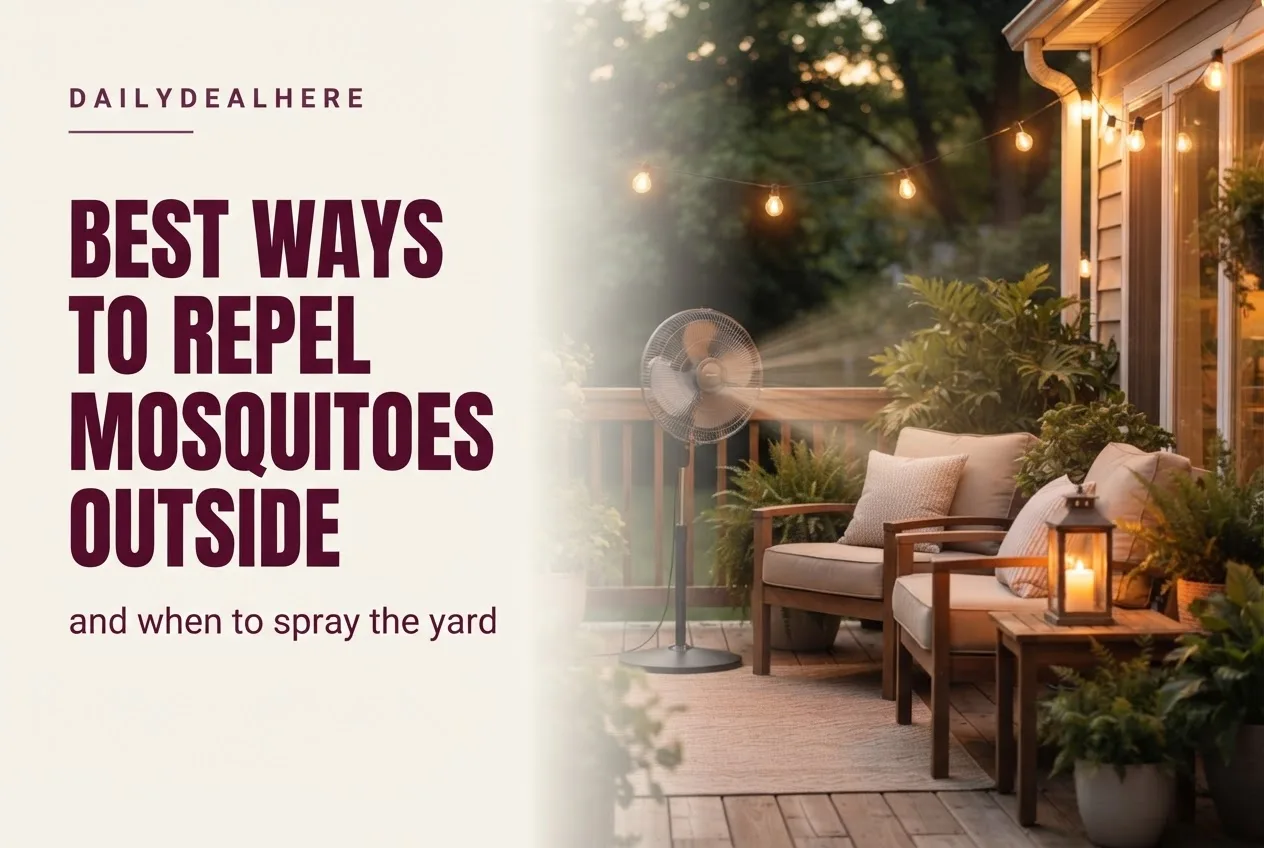
The best way to repel mosquitoes outside is not a single gadget or plant. It is a layered routine: get rid of standing water so fewer mosquitoes hatch near your home, keep grass short and shrubs trimmed so adults have fewer places to rest, run a fan over the patio because mosquitoes are weak fliers, and wear an EPA registered repellent when you sit outside, especially in the hour around sunset and sunrise. If you do spray your yard, the evening is the time to do it, because that is when mosquitoes leave their daytime hiding spots and settle on vegetation.
This guide covers each layer in order of how much difference it makes, from eliminating breeding water to choosing a repellent and timing a yard treatment. The advice comes from the Metropolitan Mosquito Control District residents guide, the EPA’s page on integrated mosquito control, and the EPA guidance on using insect repellents safely and effectively.
The short answer
- Remove standing water every week. Bird baths, buckets, tarps, clogged gutters, toy pools and plant saucers are the usual culprits.
- Treat water you cannot drain. Ponds and rain barrels can be treated with larval control products such as Bti or methoprene, used according to the label.
- Make your yard less comfortable for adults. Keep grass under about 2 inches and cut back overgrown shrubs where mosquitoes rest during the day.
- Use a fan on the patio. Mosquitoes are weak fliers, so moving air helps keep them off you.
- Protect yourself. Use an EPA registered repellent with DEET, picaridin, IR3535 or oil of lemon eucalyptus, and wear long, loose, light colored clothing.
- Time it right. Mosquitoes are most active in the hour around sunset and sunrise. That is when to add repellent, move inside, or use a screened area.
- Spray only if needed, and in the evening. Most suburban yards do not need adult mosquito control, according to the Metropolitan Mosquito Control District.
Why a layered approach works best
The EPA and the CDC promote what they call integrated pest management for mosquitoes. The EPA describes it as a science based, common sense approach that uses several techniques at once, with an emphasis on prevention and on removing the conditions that lead to infestations. Its four core tactics are removing mosquito habitats, using structural barriers, controlling mosquitoes at the larval stage, and controlling adult mosquitoes.
The logic is simple. A mosquito spends the first part of its life in water, where it is concentrated, immobile and easy to reach. The EPA notes that the greatest impact on mosquito populations comes at that stage, and that egg and larva interventions are generally the most effective and least costly way to control mosquitoes. Once mosquitoes fly, they spread out, rest in vegetation, and come looking for you. Every layer you add catches some of the ones the previous layer missed.
For a homeowner, that translates into a clear priority order. Water first, yard second, personal protection third, and sprays last. The rest of this guide follows that order.
Step one: eliminate standing water
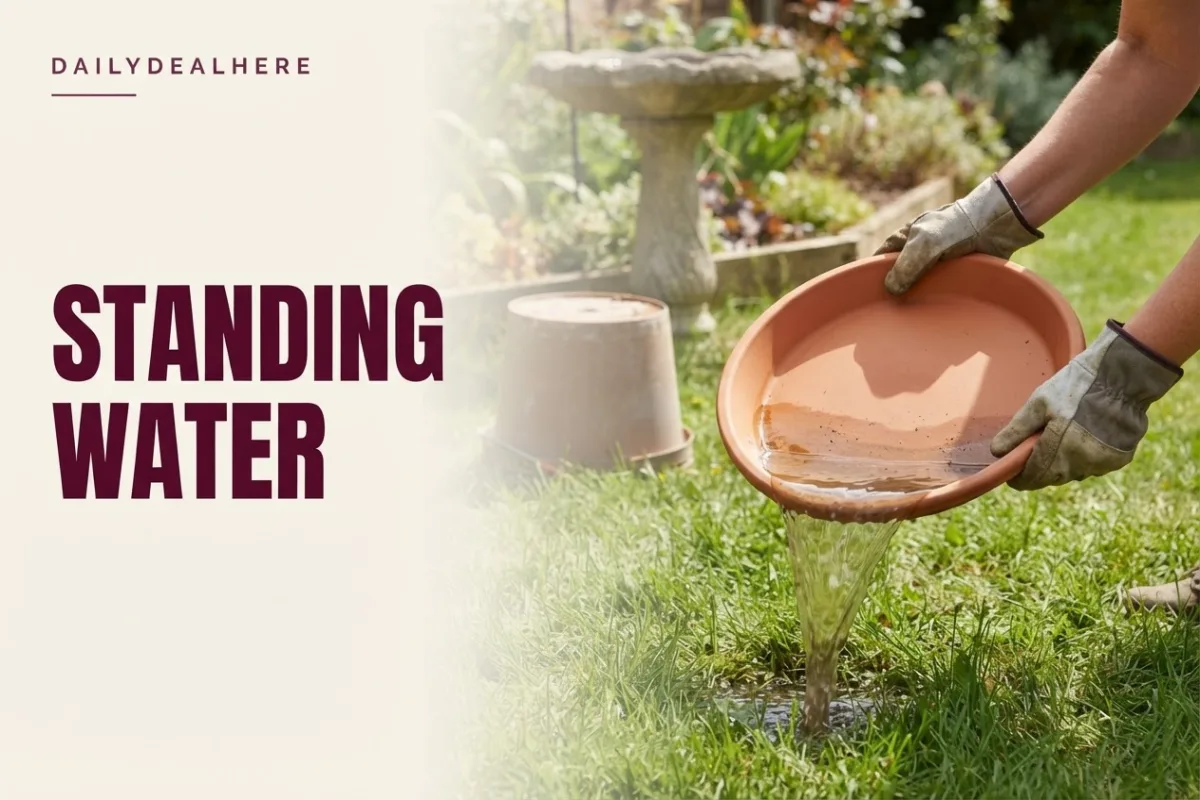
The Metropolitan Mosquito Control District, which serves the Minneapolis and St. Paul area, calls getting rid of breeding habitat the best way to eliminate mosquitoes. Mosquitoes look for any standing water to lay their eggs, and most backyards have several spots where they can do it. The district notes that low spots where water stands undisturbed for more than three days can produce mosquitoes, and the EPA recommends emptying and changing water in bird baths, fountains, wading pools, rain barrels and plant trays at least once a week.
| Common breeding spot | Why it breeds mosquitoes | What to do |
|---|---|---|
| Bird baths | Stagnant water that sits for days | Refresh the water at least once a week |
| Old tires | Hold water easily, stay warm and are hard to empty | Recycle or remove them. Some districts collect tires |
| Tarps, buckets and flower pots | Collect rain without anyone noticing | Dump the water, store upside down, or cover before rain |
| Clogged gutters | Water stops draining in spring and fall | Check and clear gutters several times a year |
| Neglected pools and hot tubs | Untreated, still water | Keep water treated and circulating. Empty toy pools after use |
| Rain barrels | Open water near the house | Cover with a lid or fine screen |
| Tree holes | Hidden water that people forget to check | Fill with sand or expanding foam, or ask an arborist |
| Low spots in the lawn | Puddles that last more than three days | Fill and level, or treat with larval control |
| Landscape ponds | Shaded or unpumped water | Add fish, refresh weekly, or use a larval control product |
The EPA adds that some mosquito species will lay eggs in containers as small as a bottle cap, particularly dark colored containers in shade. A weekly walk around the yard after rain, tipping out anything that holds water, is one of the most effective mosquito control habits you can build, and it costs nothing.
Step two: treat water you cannot drain
Some water is meant to stay: a pond, a small wetland, a rain barrel you rely on. For those, the Metropolitan Mosquito Control District recommends larval control products, which most home improvement stores sell as dunks, pellets or granules. Two active ingredients are the main options.
- Bti (Bacillus thuringiensis israelensis). A naturally occurring soil bacterium that, according to the district, targets mosquito, fungus gnat and black fly larvae with almost no discernible impact on other species. It is commonly sold as donut shaped dunks or granules.
- Methoprene. An insect growth regulator that disrupts the mosquito life cycle. The district says it usually comes as pellets or briquettes, lasts longer than Bti, and is best used in artificial ponds or uncovered rain barrels.
The district also points out that not every pond needs treatment. A deep pond with only a thin band of cattails around the edge probably does not produce many mosquitoes. And fish that eat larvae are another option for ornamental ponds. As with any product, read and follow the label, since different formulations have different application methods and effective periods.
Step three: make your yard less inviting
Adult mosquitoes need shade and shelter during the day. The Metropolitan Mosquito Control District explains that during daylight they hide from the sun on the undersides of plants, so trimming vegetation around the house reduces the number of adults hanging around. Its specific advice is to keep grass under 2 inches long and cut back overgrown shrubs and other dense vegetation.
This is especially worth doing near the places you actually sit: the patio, the deck, the play area. You do not need to strip your garden bare. Thinning the dense, damp growth right next to your seating area gives mosquitoes fewer resting spots within easy reach of you. A regular mowing schedule helps too, and our guide to the best lawn mowers covers machines for every size of yard.
Step four: use a fan and physical barriers

One of the simplest tools is a fan. The Metropolitan Mosquito Control District notes that mosquitoes are weak fliers, so turning on a fan goes a long way toward keeping them away, with the bonus of relief on hot summer nights. A pedestal or ceiling fan pointed across a seating area creates a zone mosquitoes struggle to fly through.
Physical barriers are the other half of this step. The EPA recommends window and door screens that are bug tight, covering gaps in walls, doors and windows, and netting over baby carriers and beds where mosquitoes are a concern. For outdoor seating, the district suggests a screened area you can put up during peak mosquito hours. Check existing screens for holes before the season starts, and our guide to the best window screens covers replacements.
Step five: protect yourself with repellent
The district is direct about this: the most effective way to avoid bites is to protect yourself, because personal protection keeps working even after you leave your yard. It recommends EPA registered repellents and names the active ingredients it favors.
| Active ingredient | What the sources say |
|---|---|
| DEET | The district’s recommended ingredient, at no more than 30 percent. The EPA says DEET is approved for use on children with no age restriction. |
| Picaridin | Listed by the district as another recommended ingredient. |
| IR3535 | Listed by the district as another recommended ingredient. |
| Oil of lemon eucalyptus | Recommended by the district. The EPA notes some product labels say not to use it on children under three. |
| Permethrin | Not for skin. The district recommends it for treating clothing, shoes and gear before they are worn. |
The EPA explains that an EPA registration number on the label means the company provided the agency with information on the product’s effectiveness, and that the CDC recommends using EPA registered products. The district, by contrast, warns that many so called natural bug sprays have not been scientifically shown to work against mosquitoes. If you want a comparison of products, see our guide to the best mosquito repellents.
How to apply repellent safely

The EPA’s safety guidance is short and worth following exactly.
- Read the label and apply the amount it calls for. Do not overuse it, but do not skimp either.
- Apply only to exposed skin or clothing, never under clothing.
- Do not spray directly into your face. Spray your hands, then apply to your face, avoiding eyes and mouth and going sparingly around ears.
- Never use repellent over cuts, wounds or irritated skin.
- Do not spray in enclosed areas or near food, and avoid breathing the spray.
- For children, apply it to your own hands and then put it on the child. Do not apply it to children’s hands.
- Wash treated skin and clothing with soap and water after coming indoors.
- If the label warns about flammability, keep it away from open flames.
The district adds one more ordering tip: put bug spray on last, after sunscreen or any other lotion.
Why repellent sometimes seems to stop working
The EPA lists several conditions that change how well a repellent performs: physical activity and sweating, water exposure, air temperature, and how attractive each person is to mosquitoes, which varies from person to person. That explains a lot of backyard frustration. The same product can protect one person all evening and wear off quickly on someone who is gardening in the heat or has been in the pool.
The fix is to reapply according to the label instructions, especially after swimming or heavy sweating. If you are hosting a long evening event, plan for guests to reapply rather than relying on a single application at dusk.
Dress to reduce bites

Clothing is a barrier that never wears off. The Metropolitan Mosquito Control District notes that most mosquitoes and black flies do not bite through clothing, so long sleeves and long pants that fit loosely make a difference. It also says mosquitoes are attracted to dark colors, so lighter clothing is better, and suggests tucking pants into socks to cover the ankles.
For people who spend a lot of time outdoors, the district recommends pre treating clothing, shoes and gear with permethrin, following the label and applying it before the clothes are worn. It points out that treating shoes, socks and pants helps protect the ankles, a favored spot for both mosquitoes and ticks.
The district also recommends avoiding artificial scents from shampoos and perfumes, since mosquitoes are attracted to those smells. Skip the fragrance before an evening on the deck.
Timing: when mosquitoes are most active
The Metropolitan Mosquito Control District says mosquitoes are most active during the hour surrounding sunset and sunrise. That window is when you get bitten most, and it is also when yard treatments work best, as the next section explains.
- If you can, move inside or into a screened area for that hour.
- If you want to stay out, the district suggests adding an extra layer of repellent at that time and following the other steps.
- Plan outdoor events with the peak in mind: start dinner a little earlier, have a fan running, and set out repellent for guests before dusk.
The best time to apply mosquito spray in your yard
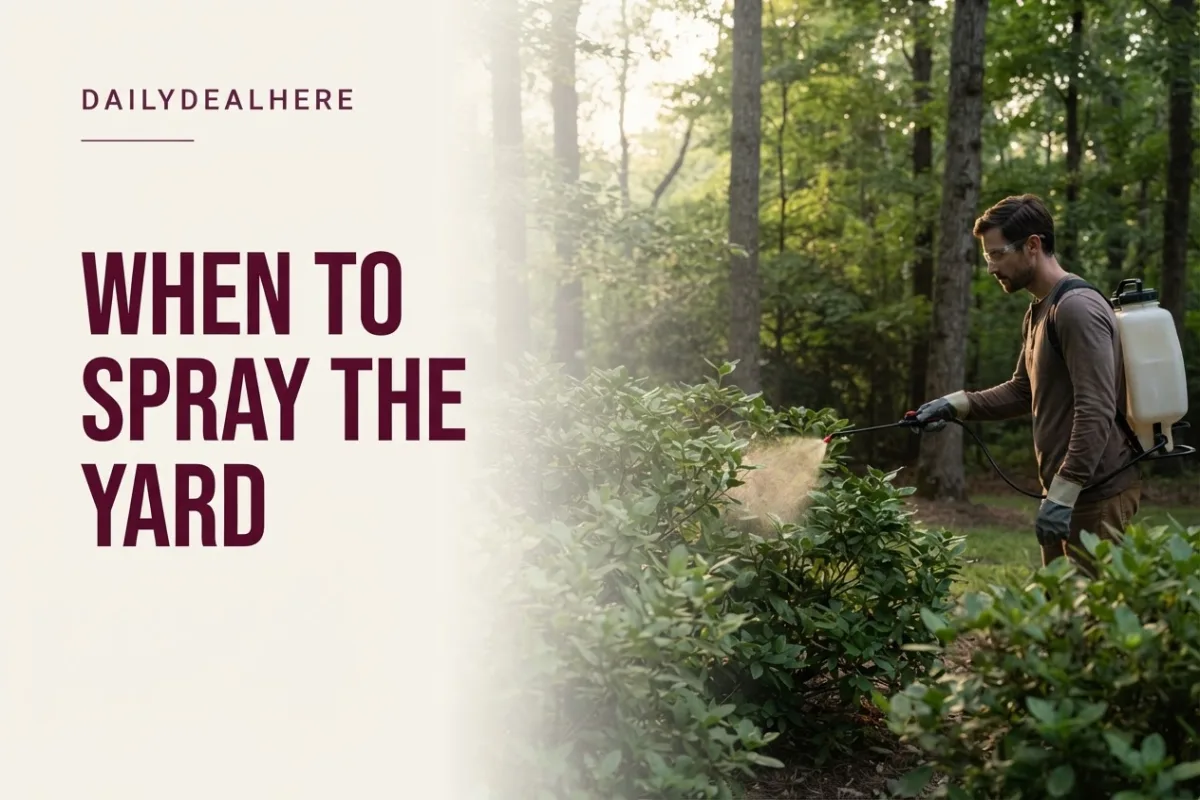
The Metropolitan Mosquito Control District explains the timing behind yard sprays in some detail. In the evening, as the sun goes down and temperature and humidity drop, mosquitoes leave their daytime resting spots and settle on vegetation, especially at the edges of wooded areas, where they look for a blood meal. There are two kinds of products for adults, and their timing differs.
| Treatment type | How it works | When and where to use it |
|---|---|---|
| Residual spray | Applied to vegetation where mosquitoes land and rest | Targets the plants where mosquitoes settle in the evening, applied with a backpack or hand pump sprayer. Avoid flowering plants and keep a buffer from water |
| Fogger | A non residual knock down treatment | Most effective at peak activity in the evening right after sunset, in yards without much dense vegetation. Avoid applying near water |
The district stresses reading the label for the correct concentration and droplet size, noting that more product does not mean more effective. It also warns that most adult mosquito products can harm pollinators, fish and other non target species if not used according to the label, and suggests hiring a licensed professional if you are not comfortable applying them. If you do treat your own yard, our guides to the best backpack mosquito foggers and the best pump sprayers for distance cover the equipment.
Do most yards even need spraying?
Often not. The Metropolitan Mosquito Control District states that most urban and suburban yards will not need adult mosquito control, which is why it declines to recommend specific products. Some species can fly for miles, so controlling larvae in your own yard is not always enough on its own, but the district still ranks habitat removal, physical barriers and personal protection ahead of spraying.
The EPA takes a similar view at the community level. It says chemical control of adult mosquitoes is justified under certain circumstances, especially during disease transmission or when larval control has failed or is not feasible. For a typical backyard with no disease concern, the cheaper and safer layers usually deliver most of the benefit.
Traps, zappers and natural predators
Traps are popular, but the district is cautious. It says some traps that use carbon dioxide to lure mosquitoes can be effective, but warns that many traps sold in stores make claims that are not proven, so it advises research before buying.
Natural predators get a similar reality check. Bats and purple martins do eat insects, and the district mentions installing a bat house to encourage them. But it adds that you should not expect either to make a significant difference to mosquitoes in your yard, because they mostly prefer larger insects.
If you want to try a trap or zapper, treat it as an extra layer rather than your main defense. Our guide to the best mosquito and fly zappers compares the options.
What smells do mosquitoes hate?
This is one of the most searched questions about mosquitoes, and the honest answer is that scent based home remedies have a weak track record in the sources we used. The Metropolitan Mosquito Control District warns that many natural bug sprays have not been scientifically proven effective against mosquitoes.
There is one plant derived ingredient with official backing: oil of lemon eucalyptus, which the district lists among its recommended repellent ingredients and which appears in EPA registered products. The key difference is registration. A product with an EPA registration number has had effectiveness information reviewed by the EPA. A homemade spray or a scented plant on the patio has not.
The same logic applies to other folk remedies you may see recommended online. Without evidence behind them, they are best treated as a pleasant extra, not as protection you rely on.
Pools, ponds and water features
Water features cause a lot of worry, but the district’s view is reassuring for well kept pools. It says properly maintained, regularly used swimming pools do not pose a risk for breeding mosquitoes. The problem cases are neglected in ground pools, hot tubs and inflatable pools. Its solution is regular maintenance with chlorine and emptying toy pools when they are not in use. The EPA similarly advises keeping swimming pool water treated and circulating.
For ornamental ponds, the options are the ones covered earlier: fish that eat larvae, weekly water changes for small features, or a larval control product. A pump that keeps water moving also helps, since the district notes shaded, unpumped ponds are more likely to breed mosquitoes.
Protecting children and pets
The EPA’s guidance on children is specific. Do not let children handle repellent, do not apply it to their hands, and apply it to your own hands first before putting it on a child. Wash their treated skin and clothes when you come in. The EPA notes DEET is approved for children with no age restriction, while some oil of lemon eucalyptus products carry a label warning against use on children under three.
For pets, the EPA is clear: do not use any repellent product on pets or other animals unless the label specifically says it is for animals. Keep repellents stored out of children’s reach, and if you have questions about a product, the EPA points to the National Pesticide Information Center.
A weekly mosquito routine
- Once a week: walk the yard, tip out any standing water, and refresh bird baths and pet water bowls kept outside.
- After heavy rain: check gutters, tarps, low spots and anything that might hold water.
- Every mow: keep grass short and trim back dense growth near seating areas.
- As labeled: reapply larval control in ponds and rain barrels you cannot empty.
- Before sitting out: set up a fan, put on light long clothing if practical, and apply an EPA registered repellent after sunscreen.
- Around sunset: add repellent or move into a screened area for the peak hour.
- Only if still needed: consider an evening yard treatment, following the label or using a licensed professional.
Common mistakes that let mosquitoes win
- Spraying before removing water. Adult treatments do nothing about the next generation hatching in a forgotten bucket.
- Relying on one product. A candle, a trap or a plant on its own is unlikely to protect a whole seating area.
- Using more product than the label says. The district notes more product does not mean more effective, and overuse raises risk to pollinators and fish.
- Forgetting to reapply repellent after swimming or sweating.
- Sitting out at the peak hour unprotected, when mosquitoes are most active.
- Ignoring neighbors. The EPA stresses community involvement, since mosquitoes do not respect property lines.
Frequently asked questions
What is the best way to repel mosquitoes outside?
Combine several steps. Remove standing water weekly, treat water you cannot drain with a larval control product, keep grass short, run a fan over seating areas, and wear an EPA registered repellent, especially in the hour around sunset and sunrise.
What is the best time to apply mosquito spray in the yard?
In the evening. The Metropolitan Mosquito Control District explains that mosquitoes settle on vegetation as the sun goes down, which is where residual sprays are applied, and that foggers are most effective at peak activity right after sunset. Always follow the label.
What smell do mosquitoes hate outside?
Scent based home remedies have a weak track record, and the Metropolitan Mosquito Control District warns many natural sprays are not proven to work. Oil of lemon eucalyptus is the plant derived ingredient found in EPA registered repellents it recommends.
Which repellent ingredients work best?
The Metropolitan Mosquito Control District recommends DEET at no more than 30 percent, and also lists picaridin, IR3535 and oil of lemon eucalyptus. Look for an EPA registration number on the label, which the CDC recommends.
Do fans really keep mosquitoes away?
They help. Mosquitoes are weak fliers, and the Metropolitan Mosquito Control District says a fan goes a long way toward keeping them away from a seating area.
Do mosquito traps work?
Some carbon dioxide traps can be effective, but the Metropolitan Mosquito Control District warns that many traps sold in stores make unproven claims. Treat traps as an extra layer, not your main defense.
Does my yard need to be sprayed for mosquitoes?
Usually not. The Metropolitan Mosquito Control District says most urban and suburban yards will not need adult mosquito control, and it ranks removing water, trimming vegetation and personal protection ahead of spraying.
Can I use mosquito repellent on children?
Yes, following the label. The EPA says to apply it to your own hands and then to the child, not to children’s hands. DEET has no age restriction, while some oil of lemon eucalyptus products say not to use them on children under three.
Tip out the water, trim the hiding spots, turn on a fan, and put on a registered repellent before sunset. Do those four things consistently and most backyards become far more comfortable, with or without a spray.










Write Your Review
No reviews yet. Be the first to share your experience!