

The best way to clean hardwood floors is dry first, then barely damp. Remove grit with a dust mop, microfiber cloth or a vacuum on its bare floor setting, then mop with a pH balanced cleaner made for wood floors on a mop that puts down very little liquid, working in small sections and changing the pad when it gets dirty. What you leave out matters just as much: the National Wood Flooring Association advises against wet mops, steam mops, vinegar and water, and bleach or ammonia based cleaners, all of which can damage the finish or the wood over time.
This guide covers the daily, weekly and monthly routine, the tools that work, what never to put on a wood floor, how to handle spills and stains, why floors still look dirty after mopping, and when a floor needs a professional recoat rather than more cleaning. The advice comes from the National Wood Flooring Association maintenance guidance, its homeowner cleaning guide, and the Bona guide to deep cleaning hardwood floors.
The short answer
- Daily or weekly: sweep, dust mop, or vacuum with the bare floor setting to remove grit before it scratches.
- Weekly: vacuum to catch what sweeping misses.
- Monthly: clean with a wood floor cleaner made for your floor’s finish, using a damp mop, never a wet one.
- Immediately: wipe spills with a dry or slightly damp cloth.
- Never: steam mops, soaking wet string mops, vinegar and water, bleach, ammonia, or wax and oil products on a modern factory finished floor.
- Every few years: when the floor looks dull even when clean, have it recoated rather than scrubbing harder.
Why hardwood floors need a different approach
Wood reacts to moisture. The NWFA guidance explains that wood swells and shrinks depending on moisture, both on the surface and in the air, and that this can lead to cupping, splitting and gapping between boards. Water that sits on a floor can seep into the seams between boards and reach the layers below, which is why the NWFA’s homeowner guide says never to leave a wood floor wet.
The second vulnerability is the finish. Most hardwood floors are protected by a clear coat, and it is that coat, not the wood itself, that you clean day to day. Grit acts like sandpaper on it, harsh chemicals can strip it, and some products leave residues that build up and dull it. A good cleaning routine protects the finish, which in turn protects the wood.
The complete cleaning routine
| How often | What to do | Why |
|---|---|---|
| Daily, or at least weekly | Sweep, dust mop or use a dry microfiber cloth | Grit and sand scratch the finish if left underfoot |
| Weekly | Vacuum with the bare floor setting | Catches crumbs and fine dirt that brooms miss |
| Monthly | Damp mop with a wood floor cleaner made for your finish | Removes film and grime without flooding the boards |
| As they happen | Wipe spills with a dry or slightly damp cloth | Prevents stains and moisture damage |
| Periodically | Deep clean heavy buildup and trouble spots | Removes embedded dirt in seams and joints |
| Every few years | Professional recoat when the floor looks dull | Renews the protective layer |
This schedule follows the NWFA recommendations republished on its site: sweep or dust daily, vacuum weekly, use wood floor cleaner monthly, and refinish every three to five years depending on how the floor is used. The association stresses that individual schedules vary with use, wear and lifestyle, so a busy family hallway will need more attention than a guest bedroom.
Step one: always dry clean first
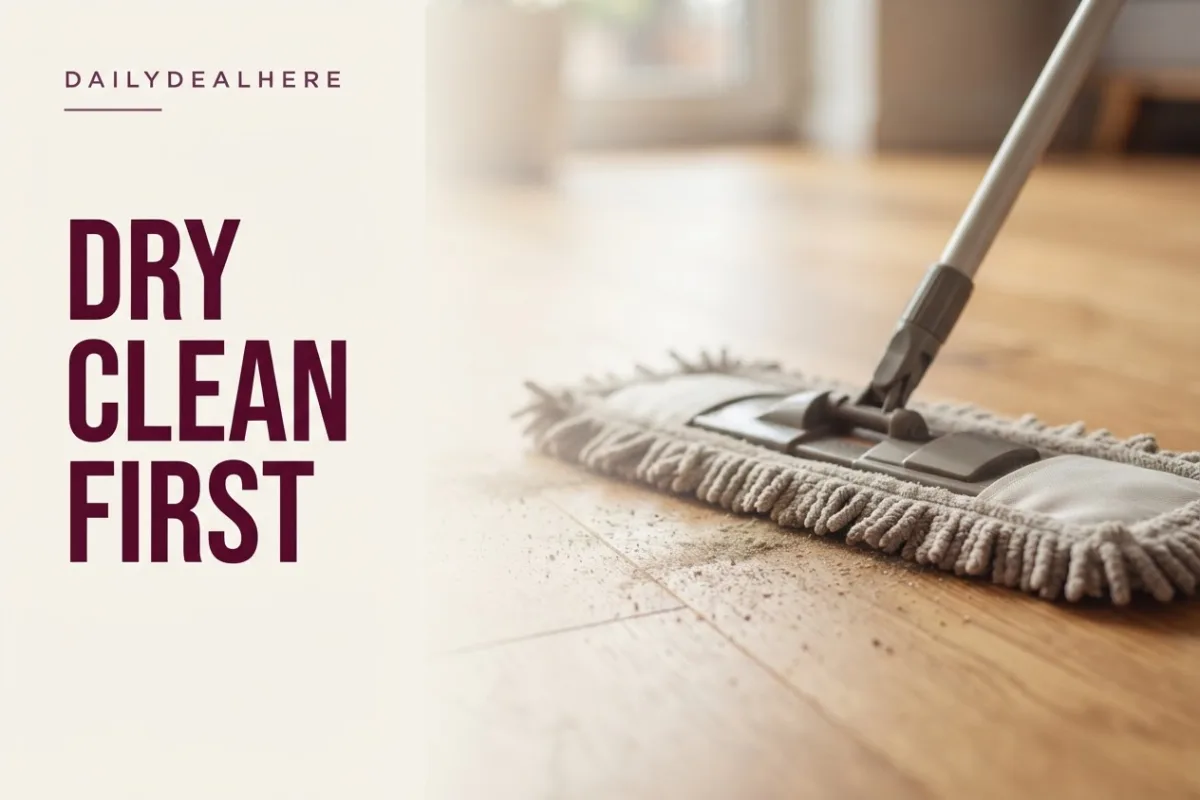
Every wet clean should start with a dry one. The NWFA’s homeowner guide lists wet or damp cleaning without dry cleaning first as a common mistake, because insoluble particles of dirt and sand get trapped under the mop pad and scratch the floor. It adds that mixing water with dirt creates mud, which makes floors look dull and streaky.
The guide also notes a limitation of brooms. They pick up large debris well but often miss small particles such as fine dirt, dust and sand, which slip through the bristles and settle back on the floor. It recommends textured dry cleaning cloths that trap and hold small particles, with deeper ridges for hair and lint. A vacuum works too, as long as you use the bare floor setting so a spinning brush roll does not scatter debris or mark the finish.
Bona’s deep cleaning guide adds a useful technique: work in the direction of the floorboards so you do not push dirt into the seams. If you prefer to automate the daily pass, our guide to the best robot vacuums covers models suited to hard floors.
Step two: mop with minimal liquid
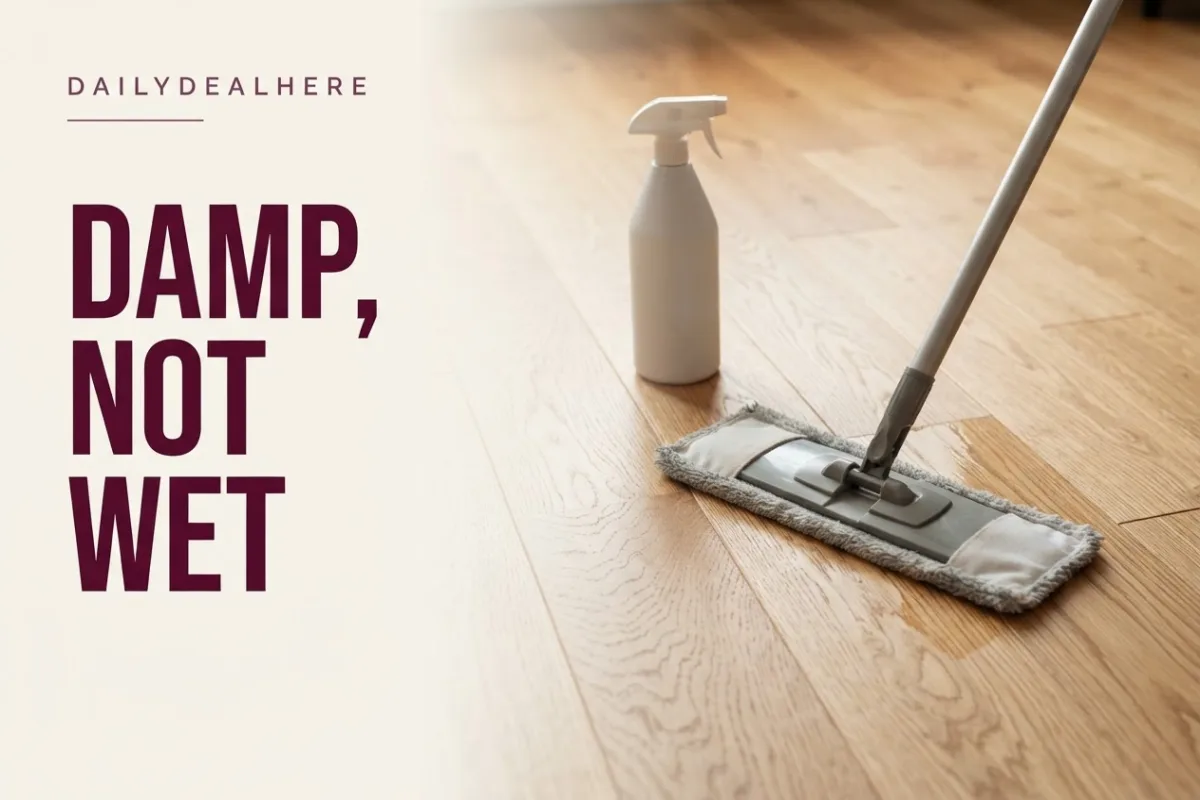
When it is time to mop, the NWFA homeowner guide recommends preparing the cleaner according to the manufacturer’s instructions and using a damp mop rather than a soaking wet one. Work in small sections so each area gets attention without leaving excess moisture behind.
- Use a mop that disperses minimal liquid. The NWFA guide recommends mopping systems that release a small amount of liquid and absorb it quickly.
- Skip the string mop and bucket. The guide says traditional string mops put too much water on wood floors, which can penetrate the seams and cause moisture damage.
- Change the pad when it is dirty. Bona’s guide recommends swapping the pad once it is visibly dirty so dirt is lifted away rather than redistributed.
- Follow the grain. Bona recommends mopping in the direction of the grain, one section at a time.
- Let it dry quickly. The floor should look damp for moments, not minutes.
A spray mop with a microfiber pad is the simplest way to follow all of these rules at once. Our guide to the best spray floor mops compares options.
What is the best thing to clean a hardwood floor with?
A cleaner made for wood floors, and ideally for your specific finish. The NWFA’s maintenance page says it is best to use a cleaner made specifically for the finish on the floor, and that your flooring professional can provide or recommend one when the job is done. The association’s homeowner guide specifies a pH balanced wood floor cleaner, explaining that it protects the finish rather than stripping it with harsh chemicals.
If you do not know what finish your floor has, the safest route is to ask the installer, check the flooring manufacturer’s care instructions, or use a general wood floor cleaner labeled as suitable for finished wood floors. And before using any new cleaner across a whole room, try it first on a small, inconspicuous spot, as the NWFA guide advises for stain removers.
What you should not use on hardwood floors
| Avoid | What the NWFA says |
|---|---|
| Wet mops | Will damage the finish and the wood over long periods of time |
| Steam mops | Will damage the finish and the wood over long periods of time |
| String mops and buckets | Put too much water on the floor, which can penetrate the seams |
| Vinegar and water | Its acidic nature can damage the floor and finish over time and can leave a sticky residue that attracts dirt |
| Bleach or ammonia based cleaners | Can strip the finish and cause permanent damage |
| Waxes and oils on factory finishes | Many modern factory finished floors should avoid them, since they can stop future maintenance coats from adhering |
The last item surprises many people. The NWFA homeowner guide says waxes, oils and other protective products should be left to professionals, and warns that on many modern factory finished floors they can prevent future maintenance coats from bonding. In the worst case, the floor then has to be completely resanded or replaced. A product that promises instant shine can create a much bigger job later.
Can I use vinegar on hardwood floors?
The sources we used say no. Vinegar and water is one of the most shared home remedies, but the NWFA’s homeowner guide warns that vinegar’s acidic nature can damage wood floors and their finishes over time, and that it can leave a sticky residue that attracts more dirt.
The appeal of vinegar is that it is cheap and seems natural. But on a finished wood floor, the cost of a damaged or dulled finish is far higher than the cost of a proper cleaner.
Can I use Dawn dish soap on hardwood floors?
Dish soap is another common suggestion, but it is not what flooring professionals recommend. The NWFA points homeowners to a pH balanced cleaner formulated for wood floors, or one made for the specific finish, rather than general household cleaners. None of the floor care guidance we read recommends dish soap for routine floor cleaning.
If you are dealing with a greasy spot in a kitchen, a soft cloth with a small amount of wood floor cleaner is the approach the NWFA guide describes for spills, blotting rather than rubbing. For routine mopping, stick with a product made for the job.
Why steam mops are a bad idea on wood
Steam mops are popular because they clean without chemicals, but they combine the two things wood floors dislike most: heat and moisture. The NWFA’s maintenance guidance says plainly not to use wet mops or steam mops because they will damage the finish and the wood over long periods of time.
The damage is gradual, which is why people are often caught out. A floor can look fine after the first few uses and only show the effects on its finish over time. If you already own a steam mop, keep it for tile and other surfaces its maker approves.
How to handle spills and stains
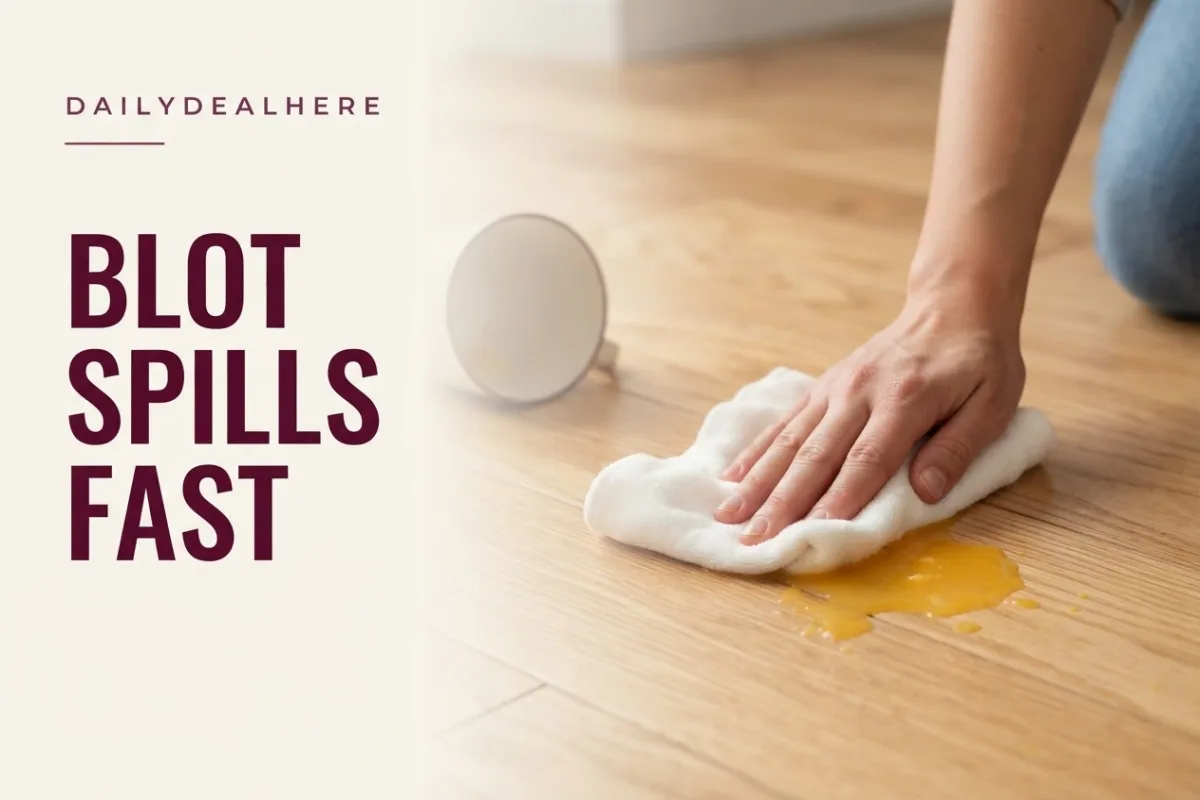
- Act fast. The NWFA says to clean spills immediately with a dry or slightly damp cloth.
- Blot, do not rub. The homeowner guide recommends a soft cloth with a small amount of pH balanced wood floor cleaner, blotting gently because rubbing can damage the finish.
- Use a dedicated remover for stubborn stains. The guide suggests a wood floor stain remover that is safe for your floor type.
- Try any product in a hidden spot first, such as inside a closet or under furniture, to make sure it does not harm the finish.
- Dry the area. Finish with a dry cloth so no moisture remains.
Pet accidents deserve extra urgency, since liquid left in a seam can damage the wood below. Keep an absorbent cloth handy in homes with pets and young children.
Why are my hardwood floors still dirty after mopping?
This is one of the most common frustrations, and the sources point to a handful of causes.
- You skipped the dry clean. The NWFA guide says mopping over grit turns it into mud that leaves floors dull and streaky.
- The pad was dirty. Bona’s guide notes a dirty pad redistributes dirt instead of lifting it. Change it mid clean if needed.
- Residue from the wrong product. The NWFA warns vinegar leaves a sticky residue that attracts dirt, and the same principle applies to any product not designed for wood floors.
- Too much cleaner or water. Following the dilution on the label and using a damp mop reduces film and streaks.
- Dirt in the seams. Bona explains that abrasive particles work their way into seams and joints, where routine cleaning does not reach. A deep clean addresses this.
- A worn finish. If the floor looks dull even when it is clean, the issue may be the finish itself, which needs a recoat rather than more cleaning.
How to deep clean hardwood floors
Bona’s guide describes a deep clean as removing dirt and grime that normal cleaning cannot, particularly abrasive particles that settle into seams and joints and slowly wear the finish. Its home method looks like this.
- Move furniture and give the floor a thorough dry clean, working in the direction of the boards.
- Use a microfiber mop with a deep cleaning pad and a wood floor deep cleaner on heavier dirt and trouble spots.
- Spray cleaner directly onto stubborn areas as needed, changing the pad as soon as it looks dirty.
- Go over the whole floor with a fresh pad, one section at a time, following the grain, so no residue remains.
- Check for leftover marks and repeat on problem areas.
Bona also recommends scheduling a professional deep cleaning at least once a year alongside home care. Bona sells both the products and a certified contractor program, so treat that frequency as a manufacturer suggestion. For many homes, a careful home deep clean a few times a year, plus good daily habits, keeps floors in good shape.
How to clean without streaks
- Dry clean thoroughly first so there is no grit to smear.
- Use the right cleaner, diluted exactly as the label says.
- Use a microfiber pad and swap it as soon as it is dirty.
- Mop with the grain in small sections.
- Avoid vinegar and products not made for wood, which the NWFA says can leave residue.
- Keep the mop damp, not wet, so the floor dries in moments.
Protect the floor between cleanings
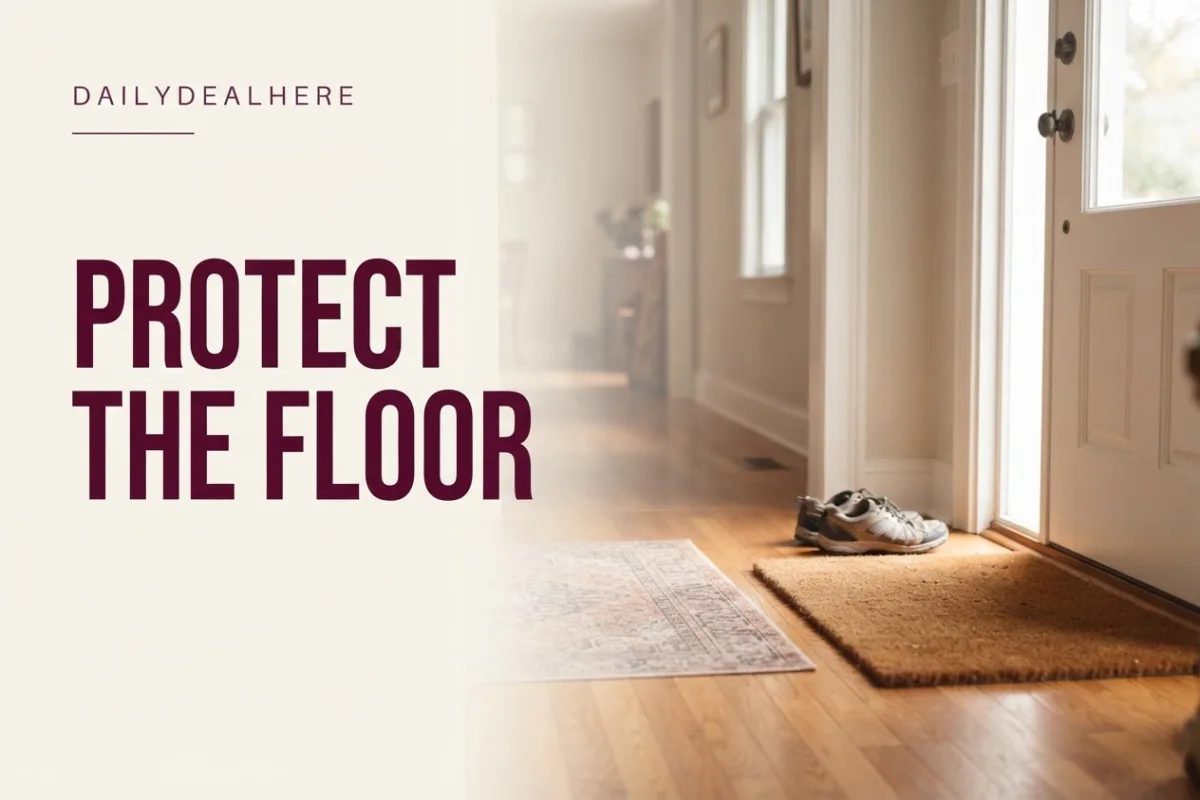
The easiest dirt to clean is the dirt that never gets in. The NWFA homeowner guide lists several preventive steps.
- Doormats at every entrance to catch grit and moisture from outside.
- Area rugs in high traffic spots such as hallways and in front of the sink. Washable rugs make this easier, and our guide to the best washable rugs covers options.
- Felt pads under furniture legs to prevent scratches and dents.
- No wet shoes indoors, as the NWFA republished advice suggests.
Control humidity to prevent gaps and cupping
Cleaning is only part of floor care. The NWFA homeowner guide notes that wood floors can swell or shrink with excess moisture or dryness, and suggests a humidifier or dehumidifier as needed to keep humidity consistent. The House Beautiful article republished by the NWFA cites a target of 60 to 80 degrees Fahrenheit and 30 to 50 percent relative humidity to help prevent cupping, splitting and gapping.
In dry winters, a humidifier can reduce gaps between boards. In humid summers, a dehumidifier helps keep boards from swelling. Our guides to the best humidifiers and the best Energy Star dehumidifiers cover both.
When cleaning is not enough: recoating
Eventually, even a well cleaned floor starts to look tired because the finish wears down. The NWFA explains that when wood floors start to look dull, they can be renewed through recoating, which means applying a new coat of finish. Its maintenance guidance frames this as a normal part of the floor’s life, with the timing depending on use, wear and lifestyle. The republished NWFA advice suggests roughly every three to five years.
Signs it may be time include a floor that looks hazy or dull right after cleaning, visible wear paths in traffic lanes, and fine scratches across the finish. Recoating is far less disruptive than full sanding and refinishing, which is one more reason to protect the finish in the first place. The NWFA offers a directory of professionals for this work.
A room by room approach
The same principles apply everywhere, but different rooms put different demands on a wood floor, so it helps to adjust the routine to the space.
- Entryways and mudrooms: this is where grit and water arrive. A doormat outside and another inside, plus a quick daily dry clean, prevents most of the scratching that happens elsewhere in the house.
- Kitchens: spills are frequent, so keep a soft cloth within reach and wipe drips as they happen. A washable rug in front of the sink catches splashes where they are most likely.
- Living rooms: furniture is the main risk. Felt pads under chair and sofa legs, checked and replaced when worn, prevent scratches and dents when things get moved.
- Bedrooms: traffic is lighter, so a weekly vacuum and the monthly damp clean are usually enough.
- Homes with pets: hair and tracked in dirt build up quickly, so a textured dry cloth or vacuum pass every day or two pays off, along with prompt cleanup of accidents.
Adjusting the effort to each room keeps the busiest areas protected without turning floor care into a daily chore across the whole house. For quick daily passes in high traffic rooms, a lightweight cordless unit helps, and our guide to the best small cordless vacuums covers options.
Common mistakes to avoid
- Mopping without sweeping or vacuuming first.
- Using a soaking wet mop or a string mop and bucket.
- Using a steam mop on wood.
- Cleaning with vinegar, bleach, ammonia or general household cleaners.
- Applying wax or oil to a modern factory finished floor.
- Rubbing a stain hard instead of blotting it.
- Letting spills sit.
- Neglecting routine care, which the NWFA says leads to buildup and bigger cleaning challenges later.
Frequently asked questions
What is the best way to clean hardwood floors?
Dry clean first with a dust mop, microfiber cloth or vacuum on the bare floor setting, then damp mop with a pH balanced cleaner made for wood floors, using minimal liquid and changing the pad when it gets dirty. Wipe spills immediately.
What is the best thing to clean a hardwood floor with?
A cleaner made for wood floors, ideally for your specific finish. The National Wood Flooring Association says your flooring professional can recommend one, and its homeowner guide specifies a pH balanced wood floor cleaner.
What should you not use on hardwood floors?
The National Wood Flooring Association advises against wet mops, steam mops, string mops with buckets, vinegar and water, bleach and ammonia based cleaners, and wax or oil products on modern factory finished floors.
Can I use Dawn dish soap on hardwood floors?
It is not what flooring professionals recommend. The National Wood Flooring Association points to a pH balanced cleaner formulated for wood floors or for your specific finish instead of general household cleaners.
Is vinegar safe for hardwood floors?
No, according to the National Wood Flooring Association. Its homeowner guide says vinegar’s acidity can damage wood floors and finishes over time and can leave a sticky residue that attracts more dirt.
Why are my hardwood floors still dirty after mopping?
Usually because grit was not removed first, the mop pad was dirty, too much cleaner or water was used, or a product left residue. Dirt in seams and a worn finish can also make floors look dull after cleaning.
Can I use a steam mop on hardwood floors?
No. The National Wood Flooring Association says wet mops and steam mops will damage the finish and the wood over long periods of time.
How often should hardwood floors be cleaned?
Guidance republished by the National Wood Flooring Association suggests sweeping or dusting daily, vacuuming weekly, using a wood floor cleaner monthly, and recoating every three to five years, adjusted for how busy the room is.
Keep grit off the floor, keep water to a minimum, use a cleaner made for wood, and recoat when the finish wears. Hardwood rewards gentle, regular care far more than occasional hard scrubbing.










Write Your Review
No reviews yet. Be the first to share your experience!