

Managing personal wellness or assisting an aging family member often comes with a steep learning curve, especially when you need to capture reliable physiological metrics outside of a clinical setting. Whether you are managing hypertension, monitoring blood oxygen levels during daily activities, or watching for irregular heart rhythms like atrial fibrillation, modern digital tools offer unprecedented visibility into your daily health trends. Navigating the crowded marketplace of connected cuffs, optical sensors, and pocket electrocardiogram pads can feel intimidating when clinical reliability is at stake. To help you choose the right monitoring equipment for your home, we compared 8 health monitoring devices options from Kardia, iHealth, Zacurate and more for September 2026. Our comprehensive evaluation reviews hardware ergonomics, measurement consistency, ease of sharing data with healthcare providers, and overall user accessibility across our Health & Household collection.
Our top pick is the KardiaMobile 1-Lead EKG Monitor for its medical-grade heart rhythm detection, 30-second recording speed, and seamless physician-ready PDF reporting.

Pros
- Fast 10-second reading
- Full 0-100% SpO2 range
- Easy-to-read user-facing display
- Comes loaded with accessories
- Fits a wide range of finger sizes
Cons
- Not classified as a medical device
- Accuracy can drop with poor blood flow or cold fingers
- Nail polish or fake nails may cause inaccurate readings
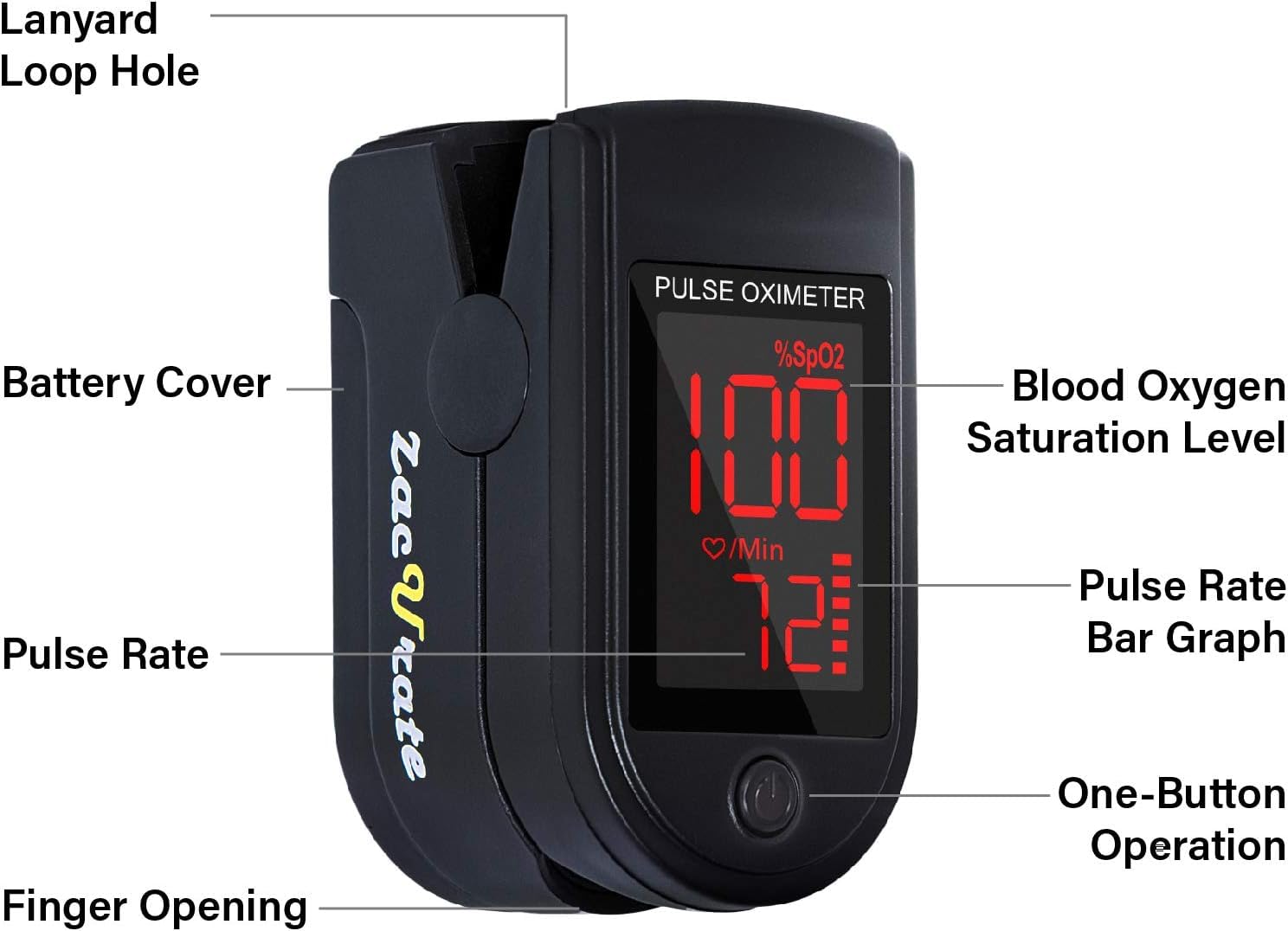
The Zacurate 500DL is a fingertip pulse oximeter designed for sports enthusiasts, pilots, and anyone who wants a quick check of their blood oxygen saturation and pulse rate while on the move. It clips onto a finger and delivers a reading with a single button press.
Its standout feature is the ability to display SpO2 readings up to 100%, which is uncommon among LED fingertip models. The display faces the user for easy viewing, and the Smart Spring finger chamber adjusts to accommodate a wide range of finger sizes for users age 12 and up.
Like all fingertip oximeters, its accuracy depends on steady blood flow, so cold hands, nail polish, or movement during the reading can throw off results. It is labeled for sports and aviation use only, not as a medical device, so it should not replace clinical equipment for diagnosing health conditions.
Bottom line: the Zacurate 500DL is a convenient, accessory-loaded option for athletes and travelers who want fast SpO2 and pulse readings on the go, but it is not a substitute for a medical-grade monitor.
- Brand: Zacurate, Pro Series 500DL fingertip pulse oximeter
- Color: Royal Black
- Display: Large LED screen, user-facing orientation
- Measurements: SpO2 (blood oxygen saturation) up to 100% and pulse rate (PR)
- Reading time: Approximately 10 seconds
- Finger chamber: Smart Spring System, fits ages 12 and above
- Power: Includes 2 AAA batteries
- Included accessories: Silicone protective cover and lanyard
- Warranty: 12-month warranty with USA-based technical phone support
This oximeter is built for sports enthusiasts such as mountain climbers, skiers, bikers, and hikers who want to monitor their SpO2 and pulse rate during activity. Pilots and other aviation users looking for a portable readout also fit the target audience.
It works well for anyone age 12 and older who wants a simple, at-a-glance way to check their oxygen saturation and pulse rate at home or on the go. It is not intended for users who need a certified medical device for diagnosing or monitoring health conditions.
- Clip the device onto a clean, unpolished fingertip and press the power button
- Keep your hand still while the reading is taken since movement can reset the measurement
- Warm your hands by rubbing them together beforehand if circulation is low
- Wait about 10 seconds for an initial reading, and up to 30 seconds for it to fully stabilize
- Remove nail polish or fake nails, or use a different finger, for more reliable results
- Store the unit in its silicone cover and use the included lanyard for easy carrying

Pros
- Fast 30-second EKG readings
- Simple setup, no subscription needed
- Ultra-portable, pocket-sized design
- FSA/HSA eligible
- Long-lasting replaceable battery
Cons
- Not tested or recommended for pacemaker or ICD users
- Advanced features require a paid KardiaCare subscription
- Single-lead reading offers less detail than a clinical multi-lead EKG
The KardiaMobile is a compact, single-lead EKG monitor designed for anyone who wants to check their heart rhythm at home, at the office or on the go. It pairs with the free Kardia app on a smartphone or tablet to record readings without any cords or Bluetooth connection.
Its core strength is speed and simplicity: users place their fingers on the sensors and get a clear result in 30 seconds, identifying normal sinus rhythm, AFib, tachycardia or bradycardia. The device weighs less than an ounce, making it easy to slip into a pocket or bag, and its CR2016 battery is rated to last up to two years with typical daily use.
Those seeking deeper analysis or automatic doctor reviews will need the optional KardiaCare subscription, which adds cost beyond the base device. It's also not intended for people with pacemakers or ICDs, and it does not detect heart attacks, so it should complement rather than replace regular medical checkups.
Bottom line: the KardiaMobile is a practical, easy-to-use personal EKG monitor best suited for people who want quick heart rhythm checks between doctor visits, particularly those managing or watching for AFib.
- Type: Single-lead (1-lead) personal EKG monitor
- Reading time: 30 seconds per EKG
- Detects: Normal sinus rhythm, AFib, tachycardia, bradycardia
- Weight: Less than 1 ounce
- Connectivity: No Bluetooth, Wi-Fi, cords or PC required
- Power: Replaceable CR2016 battery, lasts up to two years at 2-3 EKGs per day
- Compatibility: Works with most smartphones and tablets via free Kardia app
- Regulatory status: FDA-cleared medical-grade device
- Eligibility: FSA/HSA eligible
Download the free Kardia app and open it on a smartphone or tablet before starting a reading. Place the KardiaMobile device near the phone, then rest fingers or thumbs on the silver sensors.
The app records the EKG in real time and delivers a result within 30 seconds, showing whether the rhythm is normal or flags a possible AFib, tachycardia or bradycardia pattern. Readings can be emailed directly to a doctor for review.
No pairing, cords or subscription is required for basic use, though a KardiaCare subscription unlocks additional rhythm detections and professional doctor reviews for those who want more detailed follow-up.
This device fits people who want an easy way to monitor their heart rhythm at home, especially those with a history of AFib or other arrhythmias who need quick reassurance between checkups. It's also a good fit for caregivers of older family members who want a fast, portable way to track heart health.
It is not recommended for individuals with pacemakers or ICDs, and it should not be relied on to detect heart attacks. Anyone with acute or concerning symptoms should seek immediate medical care rather than depend on this device alone.

Pros
- Simple one-button operation
- Wide-range cuff fits many arm sizes
- App tracks readings over time
- Good customer rating for a home monitor
- Easy to share data with a physician
Cons
- Requires a smartphone for full app features
- Bluetooth setup may be tricky for less tech-savvy users
- Bulkier than manual cuff monitors
The iHealth Track is an upper arm blood pressure monitor built for at-home health tracking. It pairs with a smartphone app to log and organize readings automatically, making it a good fit for anyone managing hypertension or simply monitoring heart health over time.
The wide-range cuff is one of its strongest features, since it adjusts to fit a broad span of arm sizes without needing a separate cuff purchase. Customers also point to the straightforward one-touch operation as a reason the device feels approachable for older users or first-time buyers.
Because the monitor leans on Bluetooth connectivity for its full feature set, users without a compatible smartphone or those uncomfortable with app setup may find it less convenient than a basic standalone monitor. The device is also a bit larger than simple manual-read models.
Bottom line: the iHealth Track is a solid pick for anyone who wants automatic, trackable blood pressure readings and a cuff that fits comfortably without guesswork.
- Brand: iHealth
- Type: Upper arm blood pressure monitor
- Cuff: Wide-range design for multiple arm sizes
- Connectivity: Bluetooth sync to companion app
- Category: Health & Household
- Customer rating: 4.4 out of 5
This monitor is best suited for people who want to keep a consistent, organized record of their blood pressure over weeks or months rather than take a single occasional reading.
It also appeals to caregivers or family members managing readings for a loved one, since the app can store and share data for doctor visits.
Shoppers who prefer a no-frills manual monitor without app dependence may want to consider a simpler alternative.
The iHealth Track connects via Bluetooth to a companion smartphone app, where readings are automatically logged and organized into trend charts.
- Requires a compatible smartphone for app pairing
- Bluetooth connection syncs each reading automatically
- App allows data export or sharing with a physician
- Cuff design supports a wide range of arm sizes for a proper fit

Pros
- FDA cleared device
- Rechargeable, no disposable batteries needed
- Compact wrist design
- Easy to store and carry
- Suited for daily monitoring
Cons
- Wrist monitors can be less accurate than upper arm cuffs if not positioned correctly
- Limited detailed feature information provided by the manufacturer
- May require careful wrist positioning at heart level for consistent readings
The Oklar Wrist Blood Pressure Monitor is a rechargeable device built for people who want a simple way to check their blood pressure at home. Its wrist cuff format makes it smaller and lighter than traditional upper arm monitors.
Being FDA cleared gives buyers some assurance about the device's intended use for home health monitoring. The rechargeable battery is a practical feature, saving users from constantly buying and replacing batteries.
Wrist monitors in general require careful positioning at heart level to get accurate readings, so this model may not be the best choice for users who want the most consistent accuracy possible or who have difficulty maintaining proper wrist posture during measurement.
Bottom line: this monitor is a reasonable pick for anyone who wants a compact, rechargeable option for routine blood pressure checks at home, though those needing maximum accuracy may prefer an upper arm cuff.
- Brand: Oklar
- Type: Wrist blood pressure monitor
- Power: Rechargeable battery
- Certification: FDA cleared
- Category: Health & Household monitoring device
- Form factor: Compact wrist cuff design
This monitor is a good fit for adults who want to track their blood pressure regularly at home without dealing with disposable batteries. It suits users who travel often and prefer a smaller, lighter device than a bulky upper arm monitor.
It may be less ideal for users who need the highest possible measurement accuracy or who have difficulty positioning their wrist correctly at heart level during each reading.
To get the most reliable readings, sit in a relaxed position with your arm supported so the wrist cuff sits at heart level. Keep still and avoid talking during the measurement.
Charge the device fully before first use and recharge as needed to keep it ready for daily monitoring. Taking readings at consistent times each day can help track trends more accurately over time.

Pros
- Quick spot-check readings
- Bright, readable OLED display
- Includes batteries and lanyard
- Compact, portable design
- Easy one-button use
Cons
- Not a substitute for medical-grade diagnostic equipment
- Screen orientation may take some getting used to
- No app connectivity for tracking trends over time
The HealthTree Fingertip Pulse Oximeter is a straightforward health monitoring device designed to measure blood oxygen saturation and heart rate in seconds. It works by clipping onto a fingertip and displaying results on an OLED screen, making it a practical pick for households wanting quick wellness checks.
Customers who buy this type of device appreciate the fast SpO2 and pulse readings along with the clear OLED display, which makes numbers easy to read at a glance. The included lanyard adds portability, and having 2 AAA batteries in the box means it is ready to use immediately after unboxing.
This device is best suited for people who want occasional spot checks rather than continuous monitoring, such as those tracking fitness recovery or general wellness at home. Anyone needing continuous, clinical-grade tracking or data logging over time should look at a more advanced connected device.
Bottom line: this pulse oximeter is a simple, no-fuss option for shoppers who want reliable, fast oxygen and heart rate readings without extra bells and whistles.
- Brand: HealthTree
- Device type: Fingertip pulse oximeter
- Display: OLED screen
- Measurements: Blood oxygen saturation (SpO2) and pulse rate
- Power source: 2 x AAA batteries (included)
- Included accessories: Lanyard
- Category: Health and Household monitoring device
This pulse oximeter is a good fit for anyone who wants a simple way to check blood oxygen and heart rate at home, including fitness enthusiasts, travelers, and family members keeping an eye on general wellness.
It also works well for people who need an easy-to-carry device, thanks to the included lanyard, and for those who prefer a plug-and-play tool without apps or complicated setup.
Insert the 2 included AAA batteries, then clip the device onto a clean, warm fingertip such as the index or middle finger. Hold still for a few seconds while the sensor reads pulse rate and oxygen saturation.
The OLED screen will display the results clearly. For consistent readings, avoid moving the hand during measurement and take readings in a well-lit but not overly bright room.

Pros
- Comfortable, low-profile fit
- Long battery life
- Fast charging
- Style-flexible band system
- 24/7 sensor tracking
Cons
- No screen for on-wrist stats or notifications
- Full coaching features require a separate Google Health Premium subscription
- One size band may not suit every wrist shape
The Fitbit Google Air is a screenless activity tracker built for people who want continuous health data without a visible display. It is designed to sit quietly on the wrist through workouts, workdays, and overnight sleep tracking.
Its main strength is comfort paired with flexibility. The lightweight, micro-adjustable band accommodates a wide wrist range, and the pebble sensor module pops out so you can switch between a bracelet, workout band, or sleep band in seconds. Battery life lasting up to a week, combined with five-minute fast charging for a full day of power, keeps the device usable without constant charging breaks.
The tradeoff is the lack of a screen, so anyone who wants to glance at stats or notifications on their wrist should look elsewhere. Full access to personalized coaching also depends on a separate Google Health Premium subscription, which is not included long term.
Bottom line: this tracker fits people who want low-profile, always-on health monitoring and are comfortable pairing it with a smartphone app rather than checking a wrist display.
- Style: Screenless activity tracker
- Color: Obsidian
- Band size: One Size, fits 130-210 mm wrist circumference
- Fit: Micro-adjustable, lightweight band
- Battery life: Up to one week per charge
- Charging: Fast charging, one day of power in five minutes
- Ecosystem: Integrates with Google Health app
- Coaching: Personalized coaching built with Gemini via Google Health Premium
The Google Fitbit Air comes in one size designed to fit wrist circumferences between 130 and 210 mm, covering most adult wrist sizes with its micro-adjustable band.
The band system is modular: the sensor pebble clicks out of one band and into another, so you can move between a slim bracelet look, a sport-ready workout band, or a soft band for sleep tracking without buying a separate tracker for each use case.
The tracker pairs with the Google Health app, where all activity, sleep, and coaching data appears since the device itself has no screen. Setup involves connecting the tracker to a smartphone through the app before wearing it daily.
Advanced coaching features, including Gemini-built personalized guidance, unlock through a Google Health Premium membership. New users get a trial period included, after which continued access requires an active subscription sold separately from the tracker.

Pros
- All-day heart rate and blood pressure tracking
- Dedicated women's health and cycle tracking
- Long battery life between charges
- Wide range of sport modes
- Sweat and rain resistant build
Cons
- Not a medical-grade device for diagnosis
- Not compatible with PCs or tablets
- 200+ watch faces may feel overwhelming to set up
The MorePro Fitness Tracker is an entry-level smart watch built for people who want daily wellness insight without a hospital-grade device. It targets active men and women who want one wrist-worn tool for heart rate, blood pressure, sleep, and cycle tracking.
Its strongest features are the 24/7 heart rate and blood pressure monitoring paired with on-demand blood oxygen checks, giving a fuller daily health snapshot than a basic step counter. The 120+ sport modes and real-time stats on distance, calories, and training time make it useful for casual gym-goers and runners alike. Women's health tracking, including period, ovulation, and pregnancy modes, adds a feature set not found on many trackers in this category.
The tradeoff is that this is a lifestyle tracker, not a diagnostic tool, so anyone needing clinical-grade blood pressure readings should look elsewhere. Shoppers who rely heavily on tablets or desktop syncing should also note it only pairs with Android and iOS phones.
Bottom line: this is a solid pick for shoppers who want an affordable, feature-packed tracker that covers fitness, sleep, and women's health in one device, but it is not a replacement for medical monitoring equipment.
- Health sensors: 24/7 heart rate, blood pressure, and on-demand blood oxygen monitoring
- Sleep tracking: deep sleep, light sleep, and wake-up detection
- Sport modes: 120+ activity types including running and walking
- Water resistance: IP68 rated for sweat, rain, and hand-washing
- Battery life: up to 7 days of regular use or 15 days on standby
- Charging time: approximately 2 hours for a full charge
- Compatibility: Android 7.0 and above, iOS 13.0 and above (not compatible with PCs or tablets)
- Customization: 200+ watch faces with DIY photo face option
This tracker fits shoppers who want a single device to monitor daily health trends like heart rate, blood pressure, sleep, and blood oxygen without committing to a premium smartwatch. It is a good match for casual runners, walkers, and gym users thanks to its 120+ sport modes.
Women who want built-in cycle, ovulation, and pregnancy mode tracking will find this especially useful, since that feature is not standard on most trackers in this price range. It also suits anyone who wants notification access on the wrist during work, commuting, or workouts.
It is less suited to athletes needing advanced GPS-based training metrics or users who require clinically validated blood pressure readings.
The MorePro tracker pairs with smartphones running Android 7.0 or later and iOS 13.0 or later through a companion app, where users can view heart rate history, sleep data, cycle tracking, and notification settings.
It is not compatible with PCs or tablets, so a supported smartphone is required for setup and ongoing syncing. A full charge takes about 2 hours and supports up to 7 days of typical use or 15 days on standby, making daily charging routines unnecessary for most users.
Pros
- No subscription fees
- Continuous heart rate tracking
- Highly waterproof design
- Compact charging case for extended use
- Compatible with iOS and Android
Cons
- Battery life is shorter than some competing rings without the case
- Requires careful finger measurement to avoid sizing issues
- Heart rate updates every 30 minutes rather than continuously
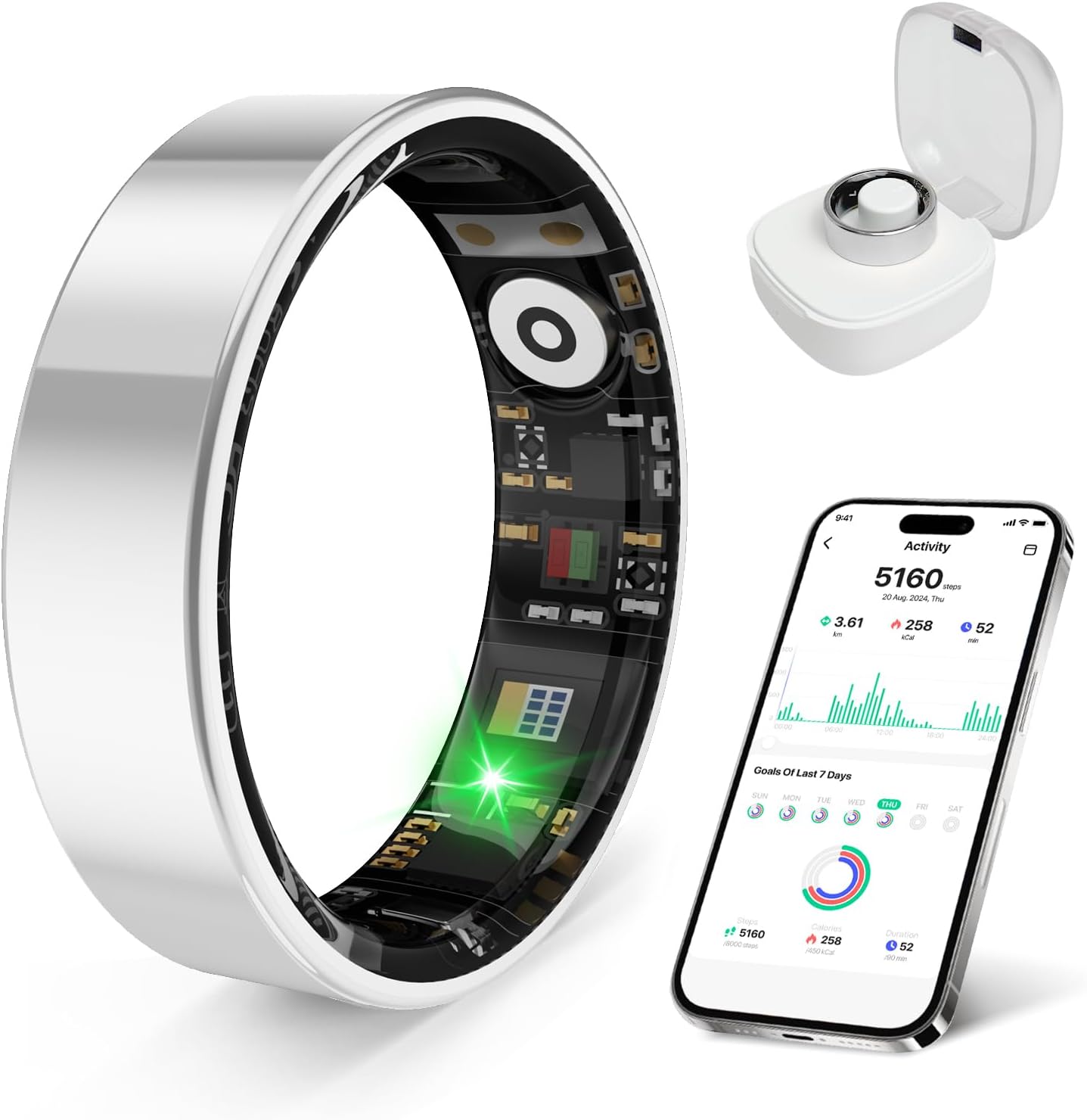
The prxxhri Smart Health Ring is a compact wearable designed for people who want to monitor sleep, stress, and daily activity without wearing a bulky smartwatch. It suits users who prefer a discreet device for round-the-clock health tracking.
Its standout features include automatic heart rate checks every 30 minutes and detailed sleep cycle tracking, both aimed at helping users understand their rest and recovery patterns. The 80-meter waterproof rating also makes it a practical choice for swimmers and gym-goers who don't want to remove their tracker during workouts.
One drawback is the base battery life of only 2 to 3 days, though the included charging case extends this significantly. Buyers who need constant, minute-by-minute heart rate data may find the 30-minute interval too infrequent for their needs.
Bottom line: This ring is a solid pick for anyone wanting subscription-free health tracking in a small, waterproof package, though those needing real-time heart rate monitoring should look elsewhere.
- Color: Silver
- Size: 9 (size chart recommended before purchase)
- Compatibility: iOS and Android devices
- Battery life: 2 to 3 days, up to 10+ days with charging case
- Waterproof rating: 80 meters
- Heart rate monitoring: Automatic readings every 30 minutes
- Sensor type: 4.0 advanced health sensors
- Subscription: No app subscription fee required
Getting the right fit is critical for this smart ring, since an incorrect size can affect both comfort and sensor accuracy. The listing strongly recommends measuring finger circumference against the provided size chart before ordering.
This particular listing is for size 9, so buyers should confirm their measurement matches before purchase to avoid the hassle of returns or exchanges. The ring is designed to sit snugly for consistent heart rate and sleep tracking throughout the day and night.
The prxxhri Smart Ring pairs with both iOS and Android smartphones, making it accessible to most users regardless of phone brand. Setup typically involves downloading the companion app and syncing the ring via Bluetooth.
Since there is no subscription fee, all tracking features, including sleep, stress, heart rate, and activity data, remain available once the ring is paired, with no ongoing payments needed to access the full feature set.
How to Choose the Best Health Monitoring Devices: Buying Guide
Form Factor and Sensor Placement
Selecting the right form factor is the foundation of establishing a reliable daily monitoring routine. Health tracking instruments come in several distinct physical configurations, ranging from finger-worn rings and optical wristbands to traditional upper arm cuffs, wrist cuffs, and dual-pad pocket sensors. The right design for you depends entirely on the specific vital sign you need to monitor and your daily comfort preferences. For continuous overnight recovery tracking, ultra-compact options like the Smart Health Ring, Featuring Stress and Sleep offer an unobtrusive profile that stays securely on your finger without the bulk of a large watch screen.
If you prefer round-the-clock fitness and lifestyle tracking without screen notifications pulling at your attention, the Fitbit Google Air - Screenless Activity Tracker provides a streamlined pebble design with interchangeable bands for work, workouts, and sleep. In contrast, cardiovascular blood pressure monitoring requires precise pneumatic cuff placement. Devices like the iHealth Track Smart Upper Arm Blood Pressure utilize a wide-range upper arm cuff, which aligns naturally with the level of your heart for standard oscillometric readings. MedlinePlus, the National Library of Medicine’s health information site, advises using a blood pressure cuff that goes around your upper arm, noting that it is more accurate than ones that measure on the wrist or finger, and resting your arm on a table or other surface so it is level with your heart.
For individuals with limited arm mobility or those who travel frequently, compact alternatives like the Oklar Wrist Blood Pressure Monitor offer a portable wrist-based alternative that reduces bulk. Meanwhile, spot-check devices designed for cardiac rhythm checks or blood oxygen saturation require minimal contact time. Making sure the form factor matches your physical capabilities, mobility level, and comfort ensures that you will use your device consistently rather than leaving it forgotten in a medicine cabinet.
Measurement Speed and Detection Capabilities

When you feel sudden symptoms such as lightheadedness, shortness of breath, or heart palpitations, rapid data acquisition becomes essential. Spot-check monitors are engineered to deliver clear, actionable readings in seconds, allowing you to capture transient physiological events before they subside. For cardiac monitoring, the KardiaMobile 1-Lead EKG Monitor records a single-lead medical-grade electrocardiogram in just 30 seconds, automatically analyzing the waveform for Atrial Fibrillation, Tachycardia, Bradycardia, and Normal Sinus Rhythm. The National Heart, Lung, and Blood Institute describes atrial fibrillation as one of the most common types of arrhythmias, or irregular heart rhythms, and says it causes the heart to beat irregularly and sometimes much faster than normal.
Rapid detection is equally crucial when monitoring blood oxygen saturation levels for respiratory conditions or high-altitude athletic pursuits. Optical pulse oximeters like the Zacurate 500 Series Fingertip Pulse Oximeter Blood determine your SpO2, pulse rate, and pulse strength in approximately 10 seconds using a dedicated spring chamber that accommodates diverse finger sizes. The FDA’s consumer guide to pulse oximeters notes that multiple factors can affect the accuracy of a reading, such as poor circulation, skin pigmentation, skin thickness, skin temperature, current tobacco use, and use of fingernail polish. Having immediate feedback provides peace of mind when assessing post-exercise recovery or monitoring seasonal respiratory symptoms at home.
Budget-conscious spot-check options like the Fingertip Pulse Oximeter Blood Oxygen Saturation also deliver fast SpO2 and pulse readings, giving caregivers an immediate glimpse into patient wellness. When evaluating detection capabilities, consider whether you need a dedicated diagnostic-style snapshot or continuous trend tracking. Devices that provide fast, repeatable measurements empower you to build an accurate health log that you can confidently present during routine clinical checkups.
Display Readability and On-Device User Feedback

Clear visual feedback is critical, particularly for older adults, individuals with visual impairments, or caregivers who must interpret vital signs in dim ambient lighting. High-contrast digital displays allow you to read your blood oxygen percentage, heart rate, or blood pressure numbers immediately without fumbling for a smartphone. The Zacurate 500 Series Fingertip Pulse Oximeter Blood features a large digital LED screen that faces directly toward the user, capable of displaying full SpO2 values up to 100 percent alongside pulse strength bars.
Similarly, the Fingertip Pulse Oximeter Blood Oxygen Saturation incorporates a vibrant OLED screen that provides crisp numerical readouts from multiple viewing angles. For smart wrist trackers such as the MorePro Fitness Tracker with 24/7 Heart Rate &, a bright display screen delivers immediate on-wrist visibility for daily step counts, real-time heart rate, blood pressure estimates, and incoming message alerts with customizable watch faces.
Conversely, some users prefer completely distraction-free hardware that offloads all data presentation to a paired mobile app. The Fitbit Google Air - Screenless Activity Tracker deliberately eliminates on-device screens to create an unobtrusive pebble design that blends seamlessly into everyday outfits. When selecting your hardware, decide whether you want instant on-device numerical readouts or if you prefer a subtle, screenless aesthetic that compiles detailed visual charts within a digital health app.
Connectivity, Data Export, and Physician Collaboration
The true power of modern home health tracking lies in your ability to record long-term historical data and share comprehensive health trends with medical professionals. Instead of manually writing numbers in a paper notebook, smart monitors with wireless Bluetooth synchronization automatically log timestamps, systolic and diastolic values, heart rate trends, and rhythm abnormalities into dedicated mobile platforms. The iHealth Track Smart Upper Arm Blood Pressure streamlines this process by organizing readings into clear digital logs that can be reviewed during doctor visits.
For cardiovascular health, the ability to generate a PDF report is indispensable. The KardiaMobile 1-Lead EKG Monitor pairs with a companion smartphone app to capture high-resolution electrocardiograms that you can instantly email to your cardiologist or primary care provider. This capability bridges the gap between occasional clinic visits and real-world symptom tracking, giving doctors clear documentation of heart rhythm irregularities when they actually occur.
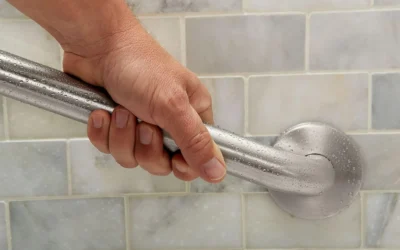
Multi-metric wearables like the MorePro Fitness Tracker with 24/7 Heart Rate & support both Android and iOS operating systems, syncing daily sleep stages, continuous pulse data, and activity statistics. If you are also outfitting your living environment for safety and independence, pairing smart tracking with home modifications like best shower grab bars for seniors creates a holistic care environment. Ensuring your monitoring tools sync cleanly with your phone guarantees that your health data remains organized and accessible whenever medical decisions arise.
Battery Longevity and Power Source Flexibility
Power reliability is an often overlooked factor when selecting home health hardware. A monitoring device that is frequently uncharged or out of power cannot help you when sudden symptoms strike. Different categories of health monitors employ distinct power architectures, ranging from common disposable household batteries to high-capacity lithium rechargeable cells and coin-cell batteries. Selecting a power profile that fits your lifestyle ensures continuous readiness whether you are at home or traveling.
Spot-check devices like the Zacurate 500 Series Fingertip Pulse Oximeter Blood operate on two standard AAA batteries, which are included in the box for instant out-of-the-box readiness and simple replacement without needing a charging cable. Similarly, the KardiaMobile 1-Lead EKG Monitor runs on a replaceable CR2016 coin cell battery designed to last up to two years under typical daily use of two to three EKG recordings. If you frequently travel by air with portable health gear and charging accessories, understanding rules like what size power bank can you take on a plane ensures hassle-free packing.
Wearable trackers and rechargeable blood pressure monitors eliminate the recurring cost of disposable batteries. The Oklar Wrist Blood Pressure Monitor features a rechargeable internal battery, while the Fitbit Google Air - Screenless Activity Tracker delivers up to a full week of continuous battery life with fast-charging technology that adds a full day of charge in just five minutes. Meanwhile, the Smart Health Ring, Featuring Stress and Sleep provides two to three days of runtime on its own and exceeds ten days when combined with its dedicated charging case.
Subscription Transparency and Ongoing Ownership Costs
When investing in personal wellness hardware, it is vital to understand the software ecosystem and whether full functionality requires an ongoing paid subscription. Many health enthusiasts prefer hardware that provides complete access to all metrics, historical graphs, and data export features without recurring monthly bills. Hardware that delivers full functionality right out of the box allows you to budget effectively without surprise software paywalls down the road.
Several modern smart devices emphasize a completely subscription-free ownership experience. The Smart Health Ring, Featuring Stress and Sleep provides automatic heart rate tracking every 30 minutes, sleep cycle analysis, and activity data with no app subscription fee required. Similarly, the KardiaMobile 1-Lead EKG Monitor allows you to record, store, and email single-lead EKG results without requiring an active paid plan, though it does offer an optional KardiaCare subscription for users who desire extra rhythm detections and formal physician reviews.
On the other hand, platforms like the Fitbit Google Air - Screenless Activity Tracker include introductory access to premium analytics, such as Google Health Premium featuring Gemini-powered adaptive coaching, before requiring an optional paid membership. Standalone monitors like the Zacurate 500 Series Fingertip Pulse Oximeter Blood operate completely independently of any software subscriptions. Evaluating whether you prefer self-guided tracking or AI-assisted lifestyle coaching will help you choose a platform aligned with your financial and wellness priorities.
| Product | Tracked Health Metrics | Power Source | Design & Form Factor |
|---|---|---|---|
| KardiaMobile 1-Lead EKG Monitor | Atrial Fibrillation, Tachycardia, Bradycardia, Normal Sinus Rhythm | Replaceable CR2016 battery lasting up to 2 years | Pocket-sized single-lead sensor weighing under 1 ounce |
| Zacurate 500 Series Fingertip Pulse Oximeter Blood | SpO2 blood oxygen saturation, pulse rate, pulse strength | Includes 2 x AAA batteries | Fingertip chamber with digital LED display and silicone cover |
| Fitbit Google Air - Screenless Activity Tracker | 24/7 health tracking, workouts, and sleep | Lasts up to a week with fast charging | Screenless pebble tracker with micro-adjustable fit band |
| MorePro Fitness Tracker with 24/7 Heart Rate & | 24/7 heart rate, blood pressure, blood oxygen, sleep | Lasts up to 7 days of normal use | IP68 waterproof wrist smart watch with custom watch faces |
| Smart Health Ring, Featuring Stress and Sleep | Sleep quality, fitness activities, heart rate every 30 min | 2-3 day battery, exceeds 10 days with charging case | Finger ring with 80-meter waterproof rating |
Why You Should Trust Us
At Daily Deal Here, our editorial team is committed to providing clear, objective, and practical shopping guidance for health-conscious consumers and family caregivers. We understand that selecting health monitoring devices is not merely about aesthetic appeal or convenience, but about securing reliable, repeatable physiological insights that support informed wellness decisions. Our research methodology is grounded in rigorous technical analysis, thorough evaluation of manufacturer specifications, and the systematic examination of verified owner feedback across thousands of real-world use cases.
We carefully cross-reference key performance benchmarks, including FDA clearances, optical sensor configurations, display legibility, battery architectures, and companion software capabilities. Rather than relying on marketing claims, we synthesize authentic consumer experiences to identify potential usability hurdles, Bluetooth connectivity quirks, and long-term hardware durability. Our recommendations reflect transparent, independent editorial standards designed to help you invest in dependable health gear. Explore our comprehensive archive of all buying guides and reviews to discover dependable tools for your home and lifestyle.
Final Thoughts
Taking charge of your health from the comfort of your home is one of the most proactive steps you can take for long-term vitality and peace of mind. Our top overall recommendation is the KardiaMobile 1-Lead EKG Monitor. With its medical-grade single-lead electrocardiogram technology, rapid 30-second measurement cycle, and effortless PDF report generation for doctors, it delivers unmatched clinical utility in a pocket-sized package that operates without complicated cables or mandatory recurring fees.
If you are looking for exceptional reliability on a budget for checking oxygen saturation and pulse rates, our top value recommendation is the Zacurate 500 Series Fingertip Pulse Oximeter Blood. Capable of displaying full SpO2 levels up to 100 percent on a clear user-facing LED screen, it includes essential accessories like a protective silicone cover, a lanyard, and two AAA batteries so you can start monitoring right out of the box.
For individuals who require comprehensive daily vital tracking and continuous lifestyle insights, the iHealth Track Smart Upper Arm Blood Pressure stands out as a dependable choice for managing cardiovascular trends with its wide-range cuff and digital logging. Alternatively, those seeking round-the-clock sleep and fitness metrics will appreciate the discreet profile of the Fitbit Google Air - Screenless Activity Tracker. To discover more tools to support your home and family wellness, feel free to browse all categories across our site.
Frequently Asked Questions About Health Monitoring Devices
How accurate are health monitoring devices compared to clinical equipment?
Consumer health monitoring devices are designed to provide highly reliable trend monitoring and spot-check measurements, but they serve as wellness tools rather than complete replacements for comprehensive hospital diagnostics. FDA-cleared instruments, such as personal EKG pads and validated blood pressure monitors, adhere to strict manufacturing standards that deliver clinical-grade precision for specific metrics like heart rhythm or systolic and diastolic pressures. To achieve the best accuracy at home, always follow manufacturer placement instructions, remain still during readings, and compare your home readings with your doctor’s clinical equipment during scheduled wellness checkups.
Can I share data from health monitoring devices directly with my doctor?
Yes, many modern health monitoring devices are specifically engineered to facilitate seamless communication between patients and healthcare providers. Companion smartphone applications frequently include features that compile your historical vital signs, pulse trends, and blood pressure logs into standardized PDF or CSV reports. You can easily export and email these detailed summaries directly to your physician or present them on your mobile screen during telehealth appointments. Providing your medical team with long-term trend data offers a much clearer diagnostic picture than relying solely on occasional in-clinic measurements.
Do health monitoring devices require paid monthly subscriptions to function?
Most standard health monitoring devices provide full access to baseline measurements, real-time displays, and historical logging without requiring an active monthly subscription. Devices like standalone pulse oximeters, smart rings, and standard digital blood pressure cuffs function straight out of the box with no ongoing fees. However, certain connected fitness platforms offer optional premium memberships that unlock advanced features, such as personalized AI coaching or formal medical reviews of recorded waveforms. Always verify software subscription requirements prior to purchasing so you can choose a device that fits your ongoing budget.
What is the difference between upper arm and wrist health monitoring devices for blood pressure?
Upper arm health monitoring devices utilize an inflatable cuff placed around the bicep, positioning the internal pressure sensor naturally level with your heart for optimal measurement accuracy. Wrist monitors are substantially more compact and convenient for frequent travelers, but they are more sensitive to body positioning and arm elevation. Holding a wrist monitor slightly above or below heart level can distort your readings. Just as maintaining regular hygiene habits like knowing how long electric toothbrush heads really last ensures oral health, choosing the right cuff style guarantees dependable cardiovascular tracking.
How often should I use health monitoring devices to track my baseline health in 2026?
The optimal monitoring frequency for health monitoring devices depends on your specific wellness goals and underlying medical conditions. For general fitness and sleep tracking, wearing a continuous tracker around the clock provides valuable baseline recovery insights throughout 2026. If you are managing hypertension or respiratory conditions, healthcare providers typically recommend taking blood pressure or oxygen readings twice daily, once in the morning before medication and once in the evening. Always consult your personal physician to establish a customized monitoring schedule tailored to your health profile.






Write Your Review
No reviews yet. Be the first to share your experience!