

Switching to organic coffee is one of the easiest upgrades you can make to your morning routine, and the payoff shows up in both the cup and the way the beans are grown. Certified organic coffee is farmed without synthetic pesticides or fertilizers, which tends to protect soil health, the people who harvest the crop, and the clean flavor that survives all the way to your mug. To sort the genuinely great options from the marketing, we looked at 9 standout picks from trusted roasters including Kicking Horse Coffee, Death Wish Coffee, Mayorga and more and narrowed the field to the blends and single-serve options that deliver on taste, transparency, and value in September 2026.
Our top pick is the Death Wish Organic Fair Trade Dark Roast for its bold, high-caffeine cup backed by both USDA Organic and Fair Trade certification. If you are new to the category, start with our overview of everyday pantry upgrades in the grocery and gourmet food section, then use the buying guide below to match a roast level, format, and price to the way you actually brew at home.

Pros
- USDA Organic and Fair Trade certified
- Bold, high-caffeine dark roast
- Pre-ground for grab-and-brew convenience
- Consistent smooth flavor with low perceived acidity
- Backed by a huge base of loyal drinkers
Cons
- Too intense for those who prefer a light cup
- Ground coffee loses freshness faster than whole bean
Death Wish built its reputation on being one of the boldest coffees you can buy, and this organic version keeps that promise while adding USDA Organic and Fair Trade certification. It is a dark roast aimed at drinkers who want a strong, high-caffeine cup to power through early mornings or long afternoons.
Despite the aggressive branding, the flavor is smoother than you might expect, with a heavy body and low perceived acidity that holds up to milk, cream, or a splash of cold brew concentrate. The pre-ground format is the main convenience here: no grinder needed, just scoop and brew.
The tradeoff is intensity. If you like a delicate, fruit-forward light roast, this is not your bag. Ground coffee also fades a little faster than whole bean, so buy a size you can finish in a few weeks.
Bottom line: for a certified-organic, Fair Trade dark roast that delivers a powerful yet smooth cup with zero fuss, Death Wish is our top overall pick.
- Roast: Dark
- Format: Pre-ground
- Size: 16 oz
- Certifications: USDA Organic, Fair Trade
- Caffeine: High-caffeine formula
- Best brewers: Drip, French press, cold brew
Ideal for heavy coffee drinkers who want maximum strength without sacrificing an organic, ethically sourced bean. Great for anyone who takes coffee with milk or needs a dependable, no-grinder morning routine.
Less suited to fans of bright, acidic light roasts or anyone sensitive to caffeine.
Use about two tablespoons of grounds per six ounces of water for a standard cup, and dial up or down to taste. It shines in a French press or as cold brew, where the bold roast mellows into a smooth, chocolatey concentrate.
Store the bag sealed in a cool, dark pantry and use within a few weeks of opening for the freshest flavor.

Pros
- Large 2-pound bag lowers cost per cup
- Organic 100% Arabica beans
- Smooth medium-dark roast with low acidity
- Non-GMO and widely praised for value
- Fresh whole-bean format
Cons
- Requires a grinder
- Medium-dark roast may feel mild to dark-roast devotees
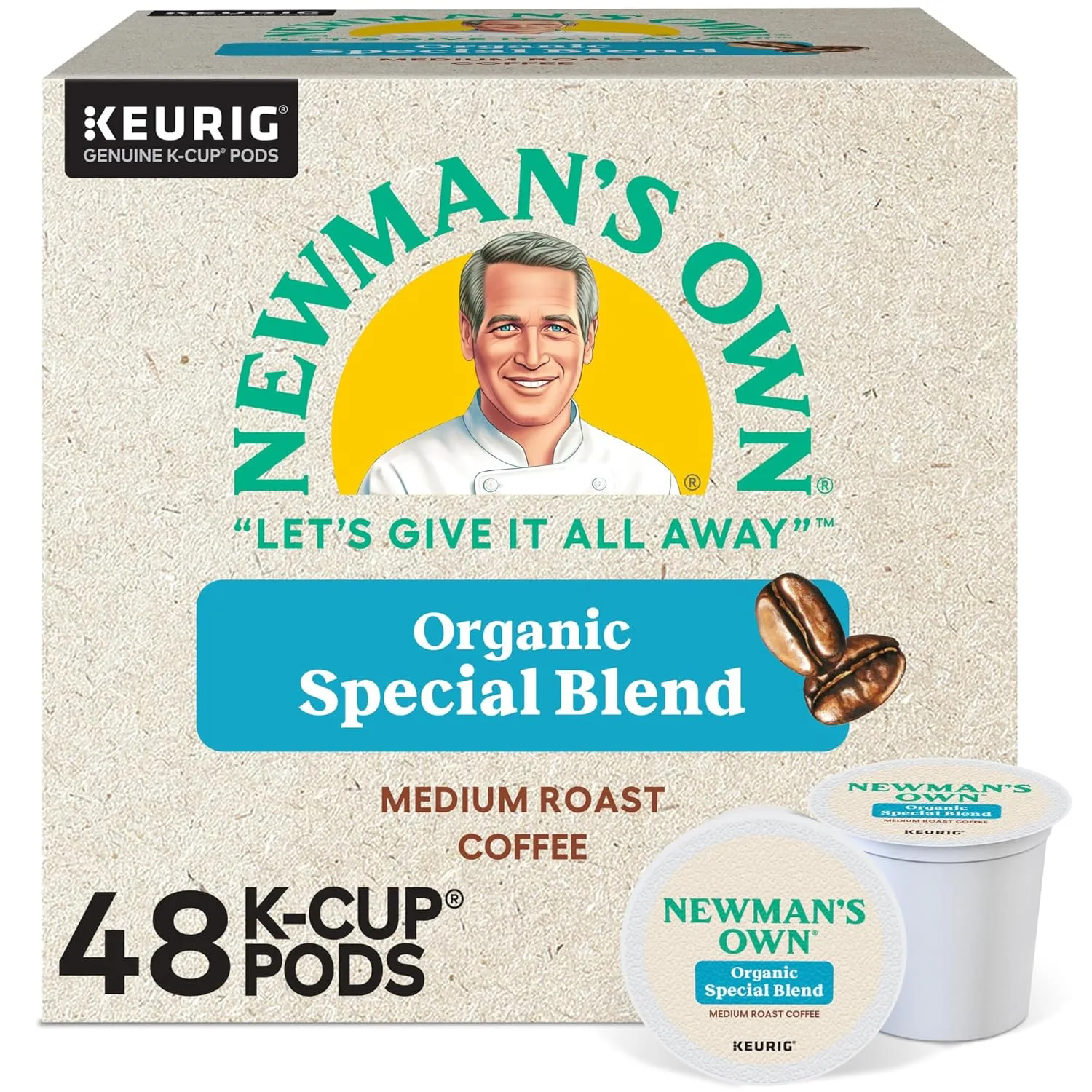
Subtle Earth is a favorite among value-focused organic drinkers, and it is easy to see why. The two-pound bag of 100% Arabica whole beans brings the cost per cup down while keeping the quality high, which is a rare combination in certified-organic coffee.
The medium-dark roast lands in a crowd-pleasing sweet spot: smooth, mellow, and notably low in acidity, with gentle notes of chocolate and caramel. It is the kind of coffee you can drink black all day without fatigue, yet it is robust enough to carry milk.
Because it ships as whole bean, you will need a grinder to unlock peak freshness, and hardcore dark-roast fans may find it a touch restrained. Neither is a real drawback for most buyers.
Bottom line: for daily drinkers who want certified-organic quality without the premium price, Subtle Earth is our best value pick.
- Roast: Medium-Dark
- Format: Whole bean
- Size: 2 lb
- Beans: 100% Arabica
- Certifications: USDA Organic, Non-GMO
- Profile: Low acidity, smooth
The generous bag size and mellow roast make Subtle Earth a natural house coffee for busy households that go through a lot of coffee each week. It is forgiving across brew methods, so it works in a drip machine, pour-over, or French press.
If you want one bag that everyone in the home can enjoy without complaints, this is a safe, affordable choice.
Grind just before brewing for the freshest cup, using a medium grind for drip and a coarser grind for French press. Keep the beans in an airtight container away from light and heat.
Because the bag is large, transfer a week's worth into a smaller sealed jar and keep the rest tightly closed to preserve freshness.

Pros
- USDA Organic, Fair Trade, and Kosher certified
- Bold, deep dark roast
- Whole bean freshness in a 2.2-pound bag
- Great for espresso and French press
- Well-regarded Canadian roaster
Cons
- Strong smoky profile is not for everyone
- Needs a grinder
Kick Ass is Kicking Horse's flagship dark roast, and it lives up to the name with a bold, deep, and slightly smoky cup. It carries USDA Organic, Fair Trade, and Kosher certifications, making it one of the more ethically buttoned-up options on this list.
The flavor leans toward chocolate malt and earthy sweetness with a lingering finish, which makes it a standout for espresso and French press where that intensity is welcome. The 2.2-pound whole-bean bag also delivers solid value for regular drinkers.
Its assertive smokiness will not suit everyone, and like all whole-bean coffee it asks you to grind fresh. For those who love a big dark roast, that is a small price to pay.
Bottom line: a top choice for espresso and French press fans who want a triple-certified organic dark roast with real character.
- Roast: Dark
- Format: Whole bean
- Size: 2.2 lb
- Certifications: USDA Organic, Fair Trade, Kosher
- Origin: South America, Africa, Indonesia
- Best brewers: Espresso, French press
The dense, smoky profile of Kick Ass pulls a rich espresso shot with a thick crema, standing up well to milk in a latte or cappuccino. It also excels in a French press, where the full body has room to develop.
Dial in a fine grind for espresso and a coarse grind for press pots to get the most from the beans.
For espresso, use a fine grind and fresh beans, adjusting your dose to balance the bold roast. For everyday drip, a medium grind keeps it smooth without overwhelming.
Store the resealable bag tightly closed in a cool pantry and grind only what you need for each brew.

Pros
- USDA Organic, Non-GMO, and Kosher
- Slow-roasted for smooth, low-acidity flavor
- Bold Cafe Cubano style
- Large 2-pound whole-bean bag
- 100% Arabica specialty-grade beans
Cons
- Requires a grinder
- Bold roast may be strong for light-roast fans
Mayorga's Cafe Cubano roast is a bold, dark cup with a Latin American soul. The company slow-roasts its specialty-grade 100% Arabica beans, a process that mellows harshness and produces a notably smooth, low-acidity result even at a dark roast level.
Expect a rich, full-bodied flavor with hints of dark chocolate and a clean finish. It is USDA Organic, Non-GMO, and Kosher, and the two-pound whole-bean bag keeps the cost per cup reasonable for daily drinkers.
You will need a grinder to enjoy it at its best, and very light-roast fans may find it too bold. For most, that smooth intensity is exactly the appeal.
Bottom line: a smooth, low-acidity dark roast that is a great pick for anyone who loves bold coffee but dislikes bitterness.
- Roast: Dark
- Format: Whole bean
- Size: 2 lb
- Beans: 100% Arabica, specialty grade
- Certifications: USDA Organic, Non-GMO, Kosher
- Profile: Bold, smooth, low acidity
Perfect for drinkers who want a bold, dark cup that stays smooth and easy on the stomach. The Cafe Cubano heritage makes it a favorite for those who enjoy strong coffee, whether black or as the base for a sweet Cuban-style shot.
Less ideal for anyone chasing bright, acidic light-roast notes.
Grind fresh and brew as drip, pour-over, or espresso. For a traditional Cuban-style coffee, pull it as espresso and stir in a little sugar to create a foamy espuma on top.
Keep the beans sealed in a cool, dry place and grind per brew for the freshest flavor.

Pros
- USDA Organic 100% Arabica
- Deep, smoky French roast character
- Pre-ground for convenience
- Established, trusted roaster
- Generous 18-ounce bag
Cons
- Very dark roast is an acquired taste
- Ground coffee stales faster than whole bean
Peet's helped define the American dark-roast tradition, and this organic French Roast delivers the intense, smoky flavor the brand is known for. It uses USDA Organic 100% Arabica beans and comes pre-ground, so it is ready to brew the moment you open the bag.
The cup is deep and full-bodied, with a roasty, almost caramelized sweetness that cuts beautifully through milk in a latte or cappuccino. Fans of bold coffee will find it satisfying, and the convenience of a pre-ground organic option is a real plus.
French roast is a strong, acquired taste, and being pre-ground it will not stay peak-fresh as long as whole bean. Neither should deter dark-roast lovers.
Bottom line: a dependable, certified-organic French roast for drinkers who want classic dark-roast intensity without grinding.
- Roast: Dark (French)
- Format: Pre-ground
- Size: 18 oz
- Beans: 100% Arabica
- Certification: USDA Organic
- Best brewers: Drip, espresso, milk drinks
Choose Peet's French Roast if you love the darkest end of the roast spectrum and want the ease of pre-ground coffee. It is a strong match for milk-based drinks, where the bold roast keeps its presence.
If you prefer a lighter or more nuanced cup, look to a medium roast instead.
Use a standard scoop per cup and adjust to taste, keeping in mind that French roast brews strong. It works well in drip machines and as the base for lattes.
Reseal the bag tightly after each use and store it away from heat and light to slow staling.

Pros
- USDA Organic single-serve pods
- Smooth, approachable medium roast
- Zero cleanup and fast brewing
- Convenient 48-count value pack
- Charitable brand mission
Cons
- Pods trade some peak flavor for speed
- More packaging than bagged coffee
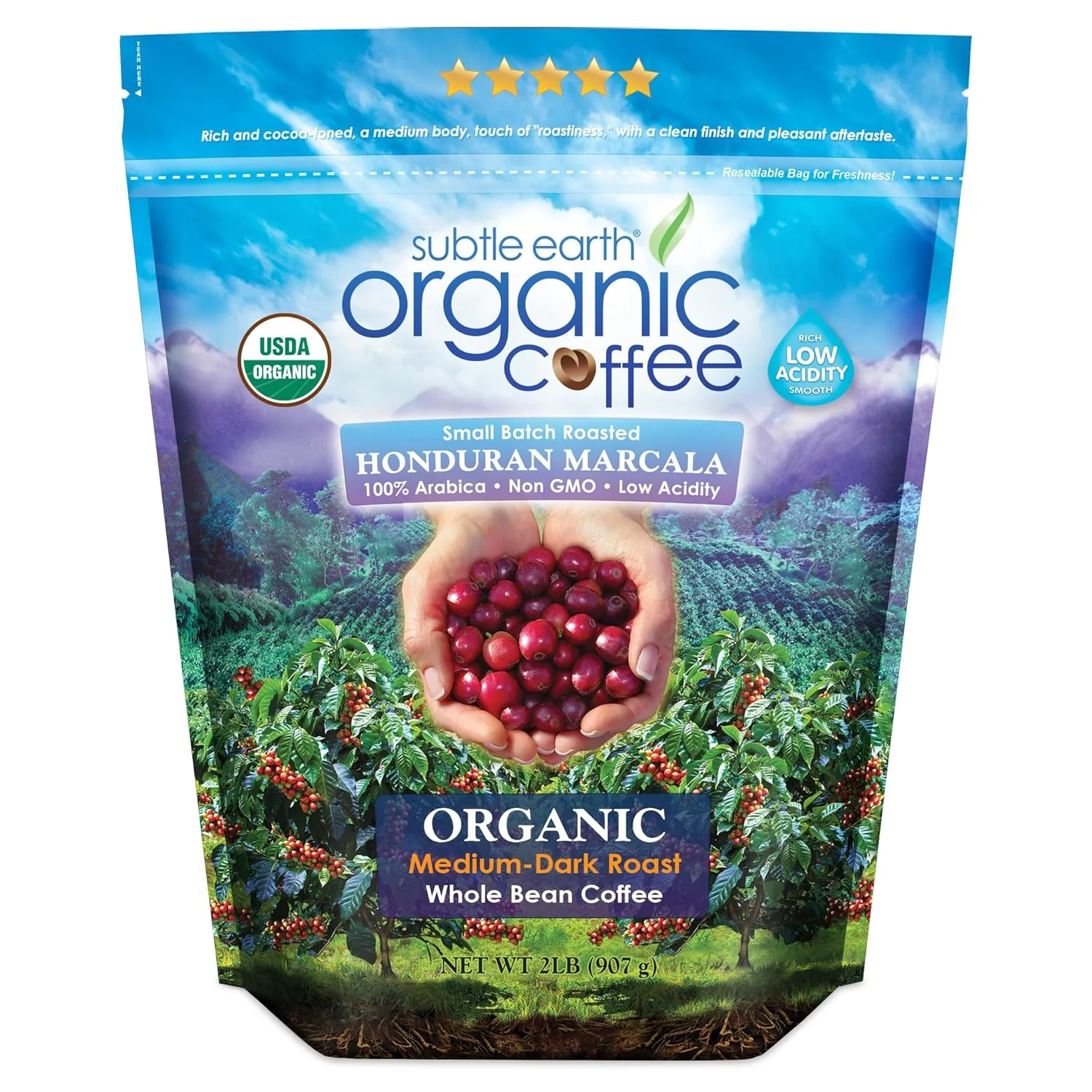
For anyone who wants certified-organic coffee with the least possible effort, Newman's Own Organics Special Blend delivers. These K-Cup pods brew a smooth, balanced medium roast in a Keurig machine with no grinding, measuring, or cleanup.
The Special Blend is approachable and everyday-friendly, without the sharp edges of a light roast or the char of a dark one. The 48-count pack keeps the per-cup cost sensible, and the brand's charitable mission is a nice bonus.
Pods inevitably trade a bit of peak flavor and freshness for convenience, and they generate more packaging than a bag of beans. If speed is your priority, that is a fair exchange.
Bottom line: the best pick for busy drinkers who want an organic cup in seconds without any equipment beyond a pod machine.
- Roast: Medium
- Format: K-Cup pods
- Count: 48 pods
- Certification: USDA Organic
- Compatibility: Keurig brewers
- Profile: Smooth, balanced
Single-serve pods are the fastest route to a fresh cup, making this a great fit for offices, guest rooms, and mornings when every minute counts. Each pod brews one consistent cup with nothing to rinse afterward.
The bulk 48-count pack means fewer reorders and a steady organic option on hand.
Drop a pod into your Keurig-compatible machine, choose your cup size, and brew. Smaller cup settings yield a stronger, more concentrated result if you prefer bolder coffee.
Store pods in a cool, dry cupboard, and recycle the empties where facilities accept them.

Pros
- USDA Organic, Fair Trade, and Kosher
- Balanced, versatile medium roast
- Whole bean freshness in a 2.2-pound bag
- Smooth with chocolate and nutty notes
- Great daily drinker
Cons
- Needs a grinder
- Milder than the brand's dark roasts
Three Sisters is Kicking Horse's medium-roast counterpart to the bold Kick Ass blend, and it is arguably the most versatile coffee the brand makes. It keeps the same USDA Organic, Fair Trade, and Kosher certifications while offering a gentler, more balanced cup.
Expect smooth notes of milk chocolate, hazelnut, and a hint of dried fruit, with a clean, approachable finish. That balance makes it an ideal all-day coffee that works for pour-over, drip, and French press alike.
Like all whole-bean coffee it asks for a grinder, and dark-roast devotees may want more punch. For everyone else, its everyday drinkability is the draw.
Bottom line: a smooth, triple-certified medium roast that is our pick for a versatile organic house coffee.
- Roast: Medium
- Format: Whole bean
- Size: 2.2 lb
- Certifications: USDA Organic, Fair Trade, Kosher
- Notes: Chocolate, hazelnut, dried fruit
- Best brewers: Pour-over, drip, French press
The balanced medium roast makes Three Sisters a coffee you can drink from breakfast through the afternoon without palate fatigue. It suits households that want one crowd-pleasing bag rather than a sharply bold or light roast.
Its clean profile also makes it a good choice for pour-over, where the origin notes come through.
Grind medium for drip and pour-over, or coarse for French press, and brew fresh for the best aroma. The balanced roast is forgiving, so it is a good bean to practice dialing in your brew.
Keep the resealable bag closed and stored away from heat, grinding only what you need each time.

Pros
- USDA Organic dark roast coffee
- Blended with Lion's Mane and Chaga mushrooms
- Marketed for focus and steady energy
- Tastes like regular coffee, not mushrooms
- Pre-ground convenience
Cons
- Functional claims vary by person
- Premium price for a smaller bag
Four Sigmatic Focus is a functional coffee that blends an organic dark roast with Lion's Mane and Chaga mushrooms. The goal is a smoother, more focused energy without changing the fact that it still tastes like real coffee, not a mushroom tonic.
The dark roast base is bold enough to mask any earthiness from the mushrooms, so newcomers to functional coffee usually find it approachable. Fans appreciate the idea of pairing caffeine with adaptogens that are marketed for mental clarity and calm focus.
Functional benefits are individual and not guaranteed, and the smaller bag carries a premium price compared with plain organic coffee. If the concept appeals to you, it is an easy way to try it.
Bottom line: a well-made organic mushroom coffee for drinkers curious about focus-oriented adaptogens who still want a normal coffee flavor.
- Roast: Dark
- Format: Ground
- Size: 12 oz
- Add-ins: Lion's Mane, Chaga mushrooms
- Certification: USDA Organic
- Aim: Focus and steady energy
The blend pairs standard coffee caffeine with dual-extracted mushroom powders. Lion's Mane is popularly associated with focus and cognition, while Chaga is used as an everyday wellness adaptogen. The mushrooms are ground in with the coffee, so there is nothing extra to mix.
Results are subjective, so treat it as a coffee upgrade to try rather than a guaranteed nootropic.
A good match for coffee drinkers curious about functional blends who want the mushroom trend without a strange taste. It suits people looking for a smoother energy curve or who like the ritual of a purpose-built morning cup.
Traditionalists who want plain coffee can skip the add-ins and save money.

Pros
- USDA Organic mushroom blend
- Six adaptogenic mushrooms including Lion's Mane
- Lower caffeine for gentler energy
- Mixes fast as an instant-style blend
- Lower perceived acidity
Cons
- Distinct earthy taste is not classic coffee
- Functional benefits vary by person
RYZE takes the functional coffee idea further than most, building a mushroom-forward blend around six organic adaptogens including Lion's Mane and Turkey Tail. It is designed less as a bold coffee and more as a lower-caffeine, lower-acidity alternative for smoother, steadier energy.
The blend mixes quickly like an instant coffee, which makes it fast and travel-friendly. The flavor is earthier and milder than a traditional dark roast, so it appeals most to drinkers who want the ritual of coffee with less jitter and gentler acidity.
The taste is a clear departure from classic coffee, and as with any adaptogen product the effects differ from person to person. Set expectations accordingly.
Bottom line: a strong choice for people seeking an organic coffee alternative that goes easy on caffeine and the stomach while leaning into functional mushrooms.
- Roast: Medium-style blend
- Format: Instant mushroom blend
- Servings: 30
- Mushrooms: Six adaptogens including Lion's Mane, Turkey Tail
- Certification: USDA Organic
- Caffeine: Lower than regular coffee
Each serving combines a small amount of coffee with a blend of six mushroom extracts chosen for energy, focus, digestion, and immune support. Because it mixes instantly in hot water or milk, there is no brewing required.
The lower caffeine level is intentional, aimed at a calmer lift without the afternoon crash.
Best for people cutting back on caffeine, those with sensitive stomachs, or anyone curious about adaptogenic mushrooms who wants a quick, organic coffee alternative. It fits a wellness-minded routine more than a hardcore coffee habit.
Dedicated dark-roast drinkers will likely prefer a traditional organic bag instead.
How to Choose the Best Organic Coffee
Not every bag with a green leaf on the label is created equal. The organic claim tells you how the coffee was grown, but roast level, format, origin, and freshness decide how it actually tastes in your kitchen. Use the criteria below to build a shortlist that fits your palate and your brewer, whether that is a drip machine, a French press, or a single-serve pod system.
Certifications That Actually Mean Something
The most trustworthy label is USDA Organic, which requires that the beans are grown without synthetic pesticides or fertilizers and processed under strict handling rules. Every pick on this list carries that seal, so you can be confident the organic claim is verified rather than implied. When a roaster invests in certification, it usually signals a broader commitment to quality control from farm to bag.
Fair Trade and Kosher certifications add another layer of accountability. Fair Trade focuses on paying growers a stable minimum price and supporting community projects, which matters if ethical sourcing is part of why you buy organic in the first place. Brands like Death Wish and Kicking Horse pair organic status with Fair Trade sourcing, so the values on the label extend past the farming method to the people behind the harvest.
Roast Level and Flavor Profile

Roast level is the single biggest driver of flavor once you have chosen quality beans. Dark roasts like Death Wish, Mayorga Cafe Cubano, and Peet’s French Roast lean bold, smoky, and low in acidity, which makes them a natural fit for espresso, cold brew, and anyone who takes their coffee with milk. If you want a cup that stands up to cream and sugar, a dark roast rarely disappoints.
Medium roasts keep more of the bean’s origin character, offering brighter notes and a more balanced body. Kicking Horse Three Sisters and Newman’s Own Special Blend sit in this sweet spot, delivering approachable everyday flavor without the sharp edges of a light roast or the char of a very dark one. Choosing a roast is personal, so it helps to keep one bold bag and one medium bag on hand for different moods. As a rough guide, darker roasts favor a heavier, chocolate-and-toast character with less brightness, while medium roasts preserve fruit, nut, and caramel notes that shine in a pour-over or drip machine. If you brew mostly espresso or add milk, lean dark; if you drink your coffee black and want more nuance, a quality organic medium roast rewards the extra attention.
Whole Bean, Ground, or Single-Serve Pods
Format decides how much freshness and convenience you get. Whole bean options like Subtle Earth, Kicking Horse, and Mayorga hold their flavor longest because you grind right before brewing, which is the surest way to protect the delicate oils that carry aroma. The tradeoff is that you need a grinder and a few extra seconds each morning.
Pre-ground bags such as Death Wish and Peet’s are ready the moment you open them, which suits busy households that want dependable coffee without extra gear. Single-serve pods, like the Newman’s Own K-Cup option, trade some peak flavor for the fastest possible cup and zero cleanup. If speed matters more than squeezing out every last note, ground coffee or organic pods keep your routine simple.
Origin, Sourcing, and Specialty Grade
Where the beans come from shapes the flavor in your cup. Many organic roasters source from Latin America, where high-altitude farms in countries like Colombia, Honduras, and Guatemala produce beans with balanced sweetness and manageable acidity. Mayorga leans into a Latin American profile with a slow roast, while Kicking Horse blends beans from South America, Central America, Indonesia, and Africa for a layered result.
Specialty grade is another quiet marker of quality. It means the green beans were graded with very few defects before roasting, which usually translates to a cleaner, more consistent cup. If you enjoy comparing origins the way you might compare pantry staples across the shopping categories on our site, a single-origin or clearly described blend gives you a more repeatable experience bag after bag.
Two terms worth knowing are shade-grown and high-altitude. Shade-grown coffee is cultivated under a canopy of taller trees, an approach that supports bird habitat and often pairs naturally with organic farming. High-altitude beans mature more slowly in cooler mountain air, which concentrates sugars and produces a denser, more flavorful bean. Neither claim replaces the USDA Organic seal, but seeing them alongside certification is a good sign that the roaster cares about how the coffee is grown rather than just how it is marketed.
Freshness, Bag Size, and Value
Coffee is at its best within a few weeks of roasting, so a roast date on the bag is more useful than a distant expiration date. Look for one-way degassing valves that let carbon dioxide escape while keeping oxygen out, a small feature that keeps organic beans tasting fresh far longer than a plain foil pouch.
Value depends on how much you drink. Larger two-pound bags like Subtle Earth, Mayorga, and Kicking Horse usually cost less per cup and suit daily drinkers, while smaller bags and pod packs make sense for occasional coffee or for sampling a new roaster before you commit. The table below lines up our picks by roast, format, and best-for use so you can match one to your routine at a glance.
Acidity, Additives, and Functional Ingredients
Acidity is often misunderstood. In coffee terms it describes a bright, lively quality rather than anything harsh on your stomach, though people who find regular coffee uncomfortable often do better with a dark roast. Slow-roasted options such as Mayorga Cafe Cubano and darker blends like Death Wish and Peet’s French Roast tend to read as smooth and low in perceived acidity, which is why they suit sensitive drinkers and anyone who sips coffee black.
It also pays to read the ingredient list. The best organic coffee contains nothing but organic coffee, with no added flavor sprays, fillers, or preservatives. A newer category of functional blends adds organic adaptogens on purpose: Four Sigmatic combines its dark roast with Lion’s Mane and Chaga mushrooms, while RYZE builds a mushroom-forward blend around six organic adaptogens for a gentler, lower-acidity lift. These are worth trying if you want the ritual of coffee with a little less jitter, but traditionalists can stick with a single-ingredient organic roast and skip the extras entirely.
| Pick | Roast | Format | Best For |
|---|---|---|---|
| Death Wish | Dark | Ground | High-caffeine bold cup |
| Subtle Earth | Medium-Dark | Whole Bean | Everyday value |
| Kicking Horse Kick Ass | Dark | Whole Bean | Espresso and French press |
| Mayorga Cafe Cubano | Dark | Whole Bean | Smooth low-acidity sipping |
| Peet’s French Roast | Dark | Ground | Classic bold drip |
| Newman’s Own | Medium | K-Cup Pods | Fast single-serve |
| Four Sigmatic Focus | Dark | Ground | Functional mushroom blend |
| RYZE | Medium | Instant Blend | Adaptogen coffee alternative |
Why You Should Trust Us
We build these guides by pulling together real customer ratings, verified certifications, and the published details each roaster shares about origin, roast level, and processing. Rather than leaning on hype, we weigh how a coffee performs across the things buyers care about most: taste, transparency, format, and cost per cup. Our editorial picks favor roasters with consistent feedback from a large base of everyday drinkers, not one-off promotions.
Every product here carries a verified organic certification and a strong track record with shoppers. When two picks are close, we give the edge to the one with clearer sourcing, a fresher supply chain, or a better value on larger bags. We also flag when a coffee serves a specific need, such as a high-caffeine kick, a low-acidity profile, or a functional mushroom blend, so you can shortlist by the way you actually drink rather than by the loudest label. You can browse more of our researched shopping guides any time on the articles page.
Final Thoughts
If you want one bag that does almost everything well, the Death Wish Organic Fair Trade Dark Roast is our best overall pick. It combines USDA Organic and Fair Trade certification with a famously bold, high-caffeine cup, and the pre-ground format keeps mornings simple. For a smoother, lower-key dark roast, Mayorga Cafe Cubano and Kicking Horse Kick Ass are both excellent whole-bean choices worth grinding fresh.
Shoppers who drink coffee every day should look hardest at the Subtle Earth Organic Medium-Dark Roast, our best value pick, thanks to its generous two-pound bag and reliably smooth, low-acidity flavor. If convenience wins, the Newman’s Own organic K-Cup pods deliver a certified-organic cup in seconds, while functional drinkers can explore mushroom-forward options like Four Sigmatic and RYZE for a gentler energy lift. For related wellness swaps, our health and household guides pair naturally with a cleaner cup of coffee. Whichever bag you choose, buying certified organic means you get a great-tasting cup while supporting cleaner farming and, in many cases, fairer pay for the growers behind every harvest.
Frequently Asked Questions
Is organic coffee actually better for you?
Organic coffee is grown without synthetic pesticides or fertilizers, which many shoppers prefer for environmental and personal reasons. The flavor difference comes mostly from bean quality and roasting rather than the organic method itself, but certification gives you confidence about how the crop was farmed and handled.
What is the best organic coffee for 2026?
Our top overall pick is the Death Wish Organic Fair Trade Dark Roast for its bold flavor and dual certification. The best value is the Subtle Earth Organic Medium-Dark Roast, which delivers a smooth cup in a large two-pound bag that lowers your cost per cup.
Does organic coffee have less caffeine?
No, organic status does not change caffeine content. Caffeine depends on the bean variety, roast level, and how you brew. Death Wish, for example, is marketed as a high-caffeine coffee even though it is fully organic, so you can find both bold and mellow options within the organic category.
Should I buy whole bean or ground organic coffee?
Whole bean keeps its flavor longer because you grind right before brewing, which is ideal if you own a grinder and want peak freshness. Ground coffee and organic pods trade a little flavor for speed and convenience. You can find more kitchen upgrade ideas in our home and kitchen guides.
How should I store organic coffee to keep it fresh?
Keep your beans or grounds in an airtight container away from light, heat, and moisture, and buy only what you will finish within a few weeks. Avoid the refrigerator, since coffee readily absorbs odors and condensation can dull the flavor. A sealed bag with a one-way valve stored in a cool pantry protects the aromatic oils that make organic coffee taste its best, and grinding whole beans right before brewing preserves even more of that character.
What does Fair Trade add to organic coffee?
Fair Trade certification focuses on paying farmers a stable minimum price and funding community projects, while organic certification covers the farming method. When a bag carries both, like Death Wish or Kicking Horse, you get assurance about how the coffee was grown and how the growers were treated.
Write Your Review
No reviews yet. Be the first to share your experience!