

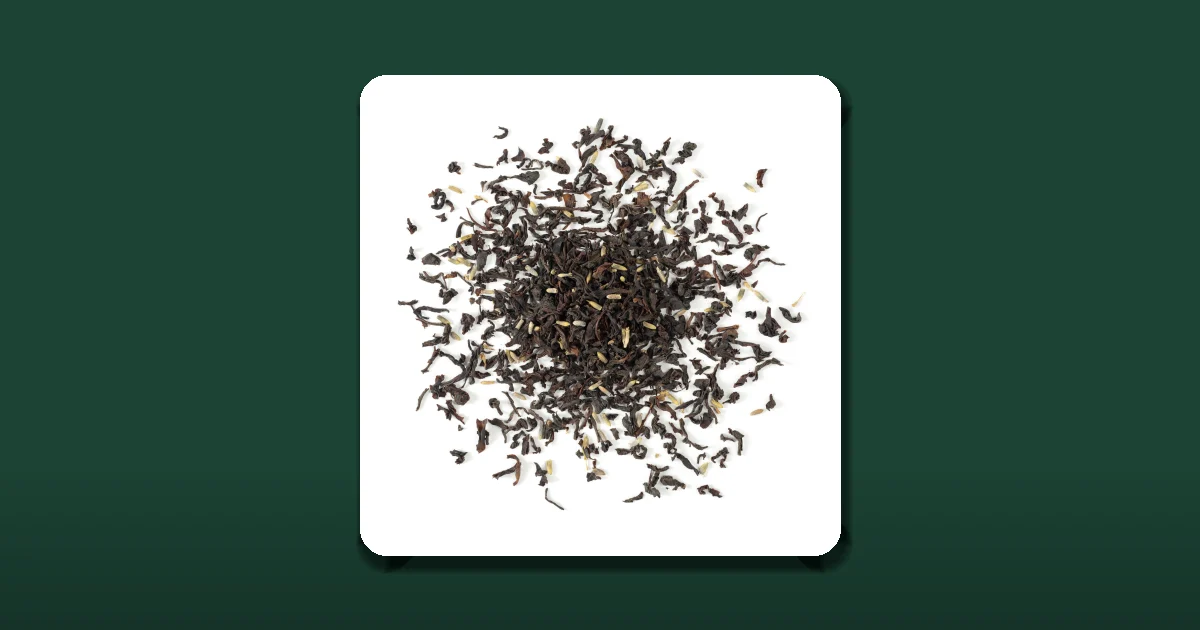
The best tea advent calendars for 2026 are the ones from tea companies rather than gift companies: Bird and Blend, VAHDAM, Simpson and Vail, Nio Teas, Friday Afternoon and Nordqvist all fill 24 or 25 doors with their own blends, and the difference between them is mostly loose leaf versus tea bags and how many cups you get per door. Order by late October. Tea calendars ship earlier than coffee calendars because tea does not need a fresh roast date, but the popular ones still sell out before December 1.
This guide covers what to look for (loose leaf or bags, caffeine mix, cups per door), a comparison of the 2026 calendars announced so far, how to build a better one yourself from loose leaf samplers, and how to brew 24 unknown teas without a wasted cup. Prices are left off deliberately because they move through the season; each link goes to the listing or to the tea shop’s coupon page.
Loose leaf or tea bags: the first decision
Tea bag calendars are convenient: tear, steep, drink. Loose leaf calendars taste better, because whole leaves that can expand in hot water release more flavor than the broken leaf in most bags, but they need an infuser or a teapot with a basket. For a recipient who already drinks loose leaf, a bag calendar can feel like a step down. For a recipient who has only ever used bags, a loose leaf calendar without an infuser is a chore. Add a simple basket infuser to a loose leaf calendar and the problem goes away.
Some calendars split the difference with pyramid sachets, which are bags large enough to hold whole leaf. They brew closer to loose leaf and keep the convenience.
What else to check on the listing
- Cups per door. One tea bag is one cup. Two bags per door, or 3 to 5 grams of loose leaf, gives a pot or a second steep. A calendar that promises 48 cups is one that has two servings behind each door.
- Caffeine mix. Most calendars are a blend of black, green, oolong and herbal. Check the ratio if the recipient drinks tea in the evening; a calendar that is two thirds black tea is a morning calendar. A few brands publish the caffeine level per door.
- Flavored or pure. Bird and Blend and Friday Afternoon lean toward flavored blends (chocolate, gingerbread, fruit). Simpson and Vail, Nio and Tezumi style shops lean toward single origin and traditional styles. Match the recipient.
- Packaging. Plastic free and compostable packaging is now common and worth a look if it matters to the person receiving it.
- Repeat doors. Cheaper calendars repeat flavors. A calendar that says “24 unique teas” is telling you it does not.
Tea advent calendars announced for 2026
Details are from each maker’s 2026 listing as of late August. Contents change year to year, so confirm before buying.
| Calendar | Format | Inside | Notes |
|---|---|---|---|
| Bird and Blend Tea Advent Calendar 2026 | Tea bags | 24 hand blended flavors, 2 bags per day (48 cups), plus a gift inside | Tenth year of the calendar; plastic free, vegan, a tree planted per calendar; flavored blends |
| VAHDAM Tea Advent Calendar 2026 | Tea bags or loose leaf (two versions) | 24 teas from India in a folding gift box | Widely stocked on Amazon; Indian black, green and herbal blends |
| Simpson and Vail Advent Calendar 2026 | Loose leaf | 24 loose teas: black, green, oolong and herbal | Connecticut tea merchant founded in 1929; traditional styles |
| Nio Teas Advent Calendar | Loose leaf plus matcha | 28 teas, mostly Japanese loose leaf with several matcha | For green tea drinkers; free worldwide shipping |
| Friday Afternoon 2026 Tea Advent Calendar | Bagged or loose leaf | 25 teas, one strong pot each, in opaque pouches | Pre-order; themed and flavored blends |
| Nordqvist Tea Advent Calendar | Tea bags | 27 cups across 25 doors, three bags behind Christmas Eve | Finnish brand; cube shaped box |
Two shops on Daily Deal Here that tea drinkers will look for, Tea Runners and Firebelly Tea, do not sell an advent calendar as of this writing. Both sell samplers and subscription boxes that make a better self-built calendar than most of the boxed ones, covered below.
Build a better tea advent calendar from loose leaf samplers
Boxed calendars charge for the box. Tea is light, cheap to ship and keeps for months, so a self-built calendar from two or three sampler sets costs less per cup, lets you pick every tea, and can use a coupon. Weigh 3 grams of loose leaf into 24 small tins, glassine bags or paper tea filters, label each with the name and steep time, and number them. The whole job takes an hour.
- Tea Runners: a loose leaf subscription that curates teas from top North American tea companies, and sells the same teas individually. One curated box plus a few singles covers green, black, oolong, white, herbal and pu-erh in one calendar, which no boxed calendar does.
- Firebelly Tea: whole leaf herbal, green and black blends plus matcha, sold in samplers and bundles, with the infusers and travel mugs that make a loose leaf calendar usable.
- Tezumi: Japanese greens for the recipient who wants sencha, gyokuro, hojicha and matcha rather than flavored blends. A few doors of Japanese tea in an otherwise Western calendar is a nice contrast.
- Teeccino: caffeine free herbal teas and herbal coffee, for the evening doors.
- Koracao: ceremonial cacao, which brews like a rich drinking chocolate and makes a surprising door 24.
A balanced 24: eight black or oolong for mornings, six green or white, six herbal for evenings, two matcha, one cacao, and one wildcard. Write the water temperature on each label; the single most common reason people decide they dislike green tea is boiling water.
How to brew 24 unfamiliar teas
| Tea | Water | Steep | Re-steep? |
|---|---|---|---|
| Black | Just off the boil, about 200 to 212 F | 3 to 5 minutes | Once, if loose leaf |
| Oolong | 185 to 205 F | 2 to 4 minutes | Two or three times; gets better |
| Green | 160 to 180 F | 1 to 3 minutes | Twice |
| White | 175 to 185 F | 3 to 5 minutes | Twice |
| Herbal and rooibos | Boiling | 5 to 7 minutes | Rarely worth it |
| Matcha | 160 to 175 F | Whisk, no steep | No |
| Pu-erh | Boiling | Rinse, then 20 to 60 seconds | Many times |
A kettle with temperature control makes a calendar full of greens and whites far more enjoyable, and it is the accessory most worth adding to a loose leaf gift. Without one, let boiled water sit for two to three minutes before pouring over green tea, or add a splash of cold water to the cup first.
Caffeine across 24 days
An 8 ounce cup of black tea carries roughly 40 to 70 mg of caffeine, green about 20 to 45 mg, white 15 to 30 mg, matcha around 60 to 80 mg, and herbal teas none. A calendar that is mostly black tea drunk in the evening will keep some people awake, which is why the mix matters more for tea than for coffee gifts; coffee drinkers already expect the caffeine. For a sense of scale, our comparison of caffeine in energy drinks, coffee and tea lines the numbers up.
Matching the calendar to the person
| Recipient | Buy this | Add this |
|---|---|---|
| Drinks bagged tea, likes dessert flavors | Bird and Blend or Friday Afternoon | Nothing; it is ready to go |
| Drinks loose leaf, traditional styles | Simpson and Vail, or a self-built calendar from Tea Runners | A basket infuser if they do not own one |
| Green tea and matcha fan | Nio Teas, or Tezumi singles in a self-built calendar | A temperature kettle and a whisk |
| Drinks tea mostly at night | Self-built with two thirds herbal doors from Firebelly and Teeccino | Nothing; the point is low caffeine |
| Office, family, or a first tea drinker | VAHDAM tea bag version | A mug that says who it belongs to |
| Already has every tea | Skip the calendar; a ceremonial cacao from Koracao or a rare Japanese green from Tezumi | A note explaining what it is |
Tea gifts that pair with a calendar
A calendar is 24 small cups and then it is over. The gifts that extend it are the ones that make brewing easier: a temperature controlled kettle, a glass teapot with a removable basket so the leaves can be lifted out at the right moment, a small digital scale for the 3 gram portions, and an insulated travel mug that does not leak in a bag. Firebelly sells the infusers and travel mugs alongside its tea, and Frost Buddy makes insulated sleeves that keep a to-go cup hot. For a tea drinker who is also curious about coffee, our roundup of the best coffee makers includes a few pour over kettles that double as tea kettles.
One last practical point: tea keeps, coffee does not. A tea calendar bought in October and opened in December is at full quality. That makes tea the safer calendar to buy early and to ship to someone far away, and it is the reason tea calendars are the better pick for a recipient who might not open door one on December 1.
The bottom line
For a tea bag drinker who likes flavored blends, Bird and Blend is the crowd pleaser and the two bags per door make it good value. For a loose leaf drinker, Simpson and Vail or Nio (for Japanese greens) suit better. For anyone who already has a favorite shop, a self-built calendar from Tea Runners or Firebelly samplers costs less, tastes fresher, takes a coupon and lets you control the caffeine. Whatever you choose, order by late October and add an infuser or a temperature kettle if the recipient does not have one.
Frequently asked questions
When do tea advent calendars go on sale?
Most 2026 tea advent calendars open for pre-order in September and ship in October or early November. The popular ones from Bird and Blend, VAHDAM and Simpson and Vail sell out before December, so order by late October.
Are tea advent calendars loose leaf or tea bags?
Both exist. Bird and Blend, Nordqvist and the standard VAHDAM calendar use tea bags. Simpson and Vail, Nio Teas and the loose leaf VAHDAM version use loose leaf, which tastes better but needs an infuser. Friday Afternoon offers either.
How many cups of tea are in an advent calendar?
Usually 24 to 28 for a one bag per door calendar. Bird and Blend packs two bags per door for 48 cups. Loose leaf calendars with 3 to 5 grams per door can be steeped twice, so they effectively give 48 or more.
Do tea advent calendars have caffeine?
Most mix caffeinated black, green and oolong teas with caffeine free herbal blends. Black tea has about 40 to 70 mg per cup, green 20 to 45 mg, herbal none. If the recipient drinks tea in the evening, check the ratio or build your own with more herbal doors.
Can I make my own tea advent calendar?
Yes. Buy two or three loose leaf samplers, weigh 3 grams into 24 small bags or tins, label each with the tea name and water temperature, and number them. It costs less per cup than a boxed calendar, keeps for months and lets you use a coupon.
What is the best tea advent calendar for green tea drinkers?
Nio Teas, which fills 28 doors with mostly Japanese loose leaf and several matcha. For a self-built version, Tezumi sells sencha, gyokuro, hojicha and matcha individually. Brew greens at 160 to 180 F rather than boiling.








Write Your Review
No reviews yet. Be the first to share your experience!