The best non alcoholic drinks for Sober October 2026 are the ones that replace the ritual, not just the alcohol: a hop water or an alcohol free craft beer for the after work can, a batched mocktail for the evening you would have mixed a cocktail, and a proper cup of something warm for the nightcap. Sober October runs the full month, October 1 to 31, and the people who finish it are almost always the ones who stocked the fridge before it started. The people who quit by the second weekend are the ones who tried to get through on sparkling water.
This guide explains where Sober October comes from, what the categories of alcohol free drinks actually are and how they differ (hop water is not beer, and “non alcoholic” is not always zero), which ones are worth buying for which moment, and how to do the month on a budget. Nothing here is medical advice; anyone who drinks heavily and is thinking about stopping abruptly should talk to a doctor first, because alcohol withdrawal can be dangerous.
What Sober October is and where it came from
Sober October is a 31 day break from alcohol during the month of October. The name comes from Macmillan Cancer Support’s “Go Sober for October” fundraiser, launched in the UK in 2014, in which participants give up alcohol and collect sponsorship for cancer care. An earlier Australian version, Ocsober, was run by the charity Life Education from 2010. In the United States the challenge spread through podcasts and social media around 2017 and is now mostly done informally, without a charity, as a reset between the summer and the holiday season.
Its position on the calendar is the point. October sits after summer’s outdoor drinking and before Thanksgiving, Christmas and New Year’s, which are the heaviest drinking weeks of the year for most Americans. A month off in October is a reset that does not collide with a holiday, which is why it has outlasted most other awareness month challenges, and why Dry January exists as its mirror on the other side of the holidays.
The categories of non alcoholic drinks, explained
The shelf has grown from “O’Doul’s or soda” into six distinct categories. Knowing which is which prevents the most common disappointment, which is buying a hop water expecting it to taste like beer.
| Category | What it is | Tastes like | Alcohol | Replaces |
|---|---|---|---|---|
| Non alcoholic beer | Beer brewed normally then dealcoholized, or brewed to stop short of alcohol | Beer; the craft versions are close to the real thing | Under 0.5% ABV by law; some are 0.0% | The after work beer, the game day six pack |
| Hop water | Sparkling water brewed with hops, no malt, no fermentation | Bitter, aromatic, citrusy seltzer; not beer | 0.0% | Seltzer and the “something bitter” craving |
| Alcohol free cider | Cider dealcoholized or unfermented | Dry to sweet apple; closer to the original than NA beer | Under 0.5% | Cider, fall drinks |
| Mocktail kits and mixers | Batched cocktail bases without the spirit, add soda or water | The cocktail minus the burn | 0.0% | The evening cocktail, hosting |
| Spirit alternatives | Distilled or blended botanicals sold as gin, whiskey or tequila stand-ins | Aromatic; thinner than the spirit | 0.0% | Mixed drinks; not for sipping neat |
| Functional drinks | Sparkling drinks with adaptogens, nootropics or botanicals | Varies: fruity, herbal, bitter | 0.0% | The “take the edge off” role |
| Warm drinks | Herbal tea, ceremonial cacao, herbal coffee | Not a beer substitute at all | 0.0% | The nightcap |
Under 0.5 percent is not zero: what the label means
In the United States, a drink labeled “non alcoholic” may contain up to 0.5 percent alcohol by volume; only “alcohol free” means none. Most dealcoholized beers land between 0.0 and 0.5 percent, and the can states the number. For context, a ripe banana or a glass of orange juice can contain trace alcohol in the same range, and it is not possible to become intoxicated on 0.5 percent beer. But the distinction matters for pregnancy, for people in recovery who avoid any alcohol, and for religious reasons. Hop water, mocktail mixers and functional drinks are 0.0 percent because nothing in them is fermented.
Best for the after work beer: NA craft beer and hop water
The biggest change since the last Sober October you might have attempted is that alcohol free craft beer has become good. The old mass market NA lagers were brewed to be inoffensive. The new generation from dedicated NA breweries is brewed to taste like an IPA, a stout or a hazy pale ale, and mostly does.
Sober Carpenter is the example on Daily Deal Here. It is a craft brewery that only makes non alcoholic beer and cider, started in Canada and now sold in the US, and its range reads like a taproom list: IPA, white, red, blonde, stout and a cider, all brewed to under 0.5 percent with the number and the allergens printed on the can. For a beer drinker, a mixed case of this is the single most useful purchase of the month, because it removes the feeling of missing out at 6 p.m.
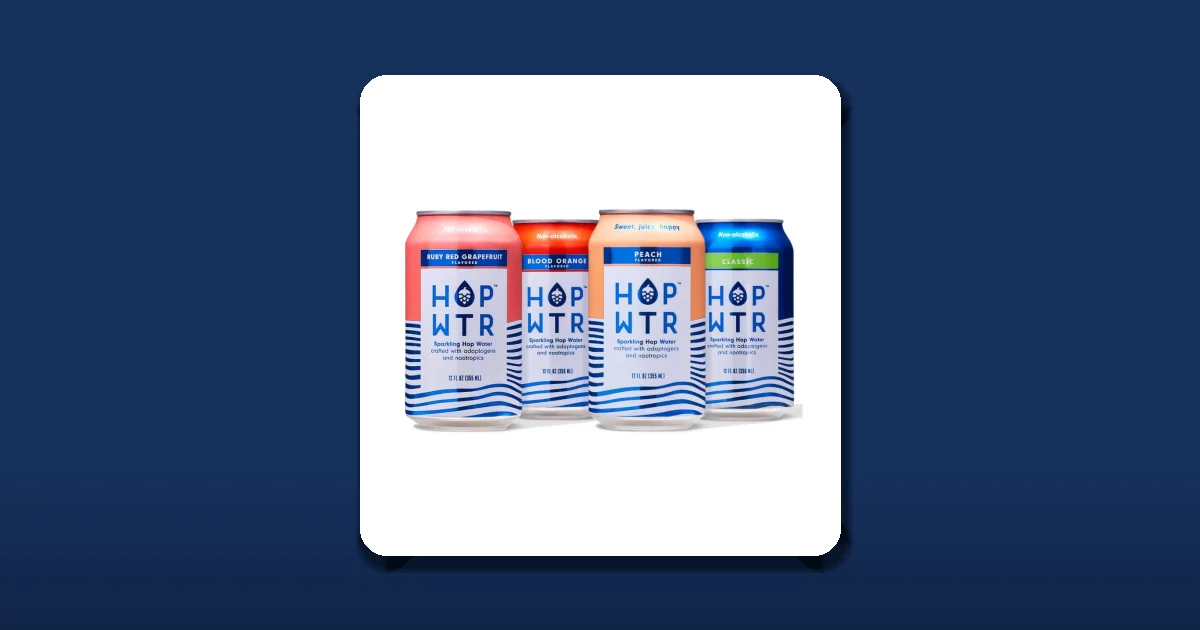
Hop water is the other half of the answer. HOPWTR brews sparkling water with real hops and adds adaptogens and nootropics, and it tastes like the aromatic, bitter, citrusy part of an IPA with no malt sweetness and no calories to speak of. It does not replace a beer so much as replace the second and third beer: the ones you drink for the ritual rather than the flavor. Many people doing Sober October settle into one NA beer and then hop water for the rest of the evening, and find they have cut calories and sugar along with the alcohol.
Best for the cocktail hour: mocktail kits
The cocktail is the hardest drink to replace because so much of it is the making. A mocktail that involves juicing, shaking and a garnish keeps the ritual, and a batched mix makes it a two minute job instead of a project. WithCo Cocktails makes batched cocktail mixes from fresh ingredients and sells alcohol free mocktail kits that cover the same drinks without the spirit: add soda water or a spirit alternative, shake or stir, and serve. For hosting during Sober October, a bar box of mocktail mixes means guests who are drinking and guests who are not get the same drink, which removes the awkwardness that makes people give up on the month.
If you want to make your own, the formula is simple: something sour (citrus), something sweet (syrup or juice), something bitter or aromatic (tonic, shrub, a dash of non alcoholic bitters), and dilution (soda or ice). A drink with all four tastes like a cocktail even without the alcohol; a drink with only sweet and fizzy tastes like a soda.
Best for the nightcap: warm drinks that actually help
Most people who drink in the evening do it partly to wind down, and the first week without alcohol often comes with worse sleep, not better, as the body adjusts. A warm ritual that replaces the nightcap helps more than any cold drink. Ceremonial cacao from Koracao brews like a rich drinking chocolate and contains theobromine rather than much caffeine, and the brand sells a sleep elixir version for the evening. Herbal coffee from Teeccino, roasted from chicory, carob and barley, gives the taste of a dark cup with no caffeine at all. A caffeine free herbal tea from Firebelly Tea or Tea Runners does the same job for tea drinkers.
Avoid caffeine after mid afternoon during the month; it interferes with the sleep you are trying to repair. Our chart of how much caffeine is in energy drinks versus coffee and tea is useful for anyone replacing beer with energy drinks, which is a common and counterproductive swap.
Best for something fun: candy and snacks that are not junk
Sugar cravings spike in the first two weeks off alcohol, because alcohol is sugar as far as the body is concerned. Fighting the craving entirely rarely works; redirecting it does. Lower sugar candy from JOYRIDE (gummies with added fiber) and sugar free lollipops from Zolli Candy take the edge off without the crash. A bag of sour Swedish candy from Swedish Candy Land on a Friday night is a real treat, and sharing it does the social job a round of drinks used to do.
A shopping list for the month
| Moment | Stock | How much for 31 days |
|---|---|---|
| After work, 6 p.m. | NA craft beer (mixed case) and hop water | One case of each covers a one a day habit |
| Evening cocktail, 2 to 3 nights a week | Mocktail mixes, soda water, citrus | Two or three mixes, a case of soda |
| Weekend hosting | A bar box of mocktail mixes, garnishes, good glassware | One box covers two gatherings |
| Nightcap | Ceremonial cacao, herbal coffee or herbal tea | One box or bag each lasts the month |
| Sugar craving | Lower sugar gummies, sugar free candy | Two or three bags |
| Emergency | Something you actually like, cold, in the fridge, always | Never let the fridge run empty |
Doing Sober October on a budget
Non alcoholic craft drinks are not cheap; a case of NA beer often costs as much as the alcoholic version, because the dealcoholizing step adds cost and the tax saving is small. Three things bring it down. First, buy direct from the brewery or brand rather than a bottle shop, since most sell mixed cases at a discount and offer a first order coupon; the store pages linked above list the current ones. Second, alternate: one NA beer, then hop water, which costs less per can. Third, count what you are not spending. A month of not buying wine or a six pack usually more than covers the case of NA beer, and the savings are the argument most people use to make it to the 31st.
All of the brands above are on our grocery and gourmet food coupon page, where the current offers and any codes are listed.
What to expect week by week
- Week 1: the hardest. Habit cues (the fridge at 6, the Friday night) are strongest and sleep may be worse. This is the week the stocked fridge earns its keep.
- Week 2: cravings shift from alcohol to sugar. Sleep starts to improve for most people. The first weekend social event is the common quitting point; bring your own drinks.
- Week 3: most people report better sleep, more energy in the morning and a few pounds lost. The habit of reaching for an NA option is forming.
- Week 4 and Halloween: October 31 falls on a Saturday in 2026, which is a hard last day. Plan the party drinks in advance. Many people extend into November once they have gotten this far.
These are general patterns reported by people doing the challenge, not medical findings. Anyone who experiences shaking, sweating, nausea or confusion in the first days after stopping should seek medical care, because those can be signs of withdrawal that needs supervision.
Sober October at restaurants, bars and parties
The fridge at home is the easy part. The hard part is the second weekend, when someone suggests a bar. A few tactics that people who finish the month rely on: order first, so you are not the person hesitating after a round of beers has been called; order something that comes in a glass with a garnish rather than a plain soda, because the visual difference is what invites comments; ask for the non alcoholic list, which most bars now have and which usually includes at least one NA beer and a mocktail; and volunteer to drive, which converts the whole evening from a test of willpower into a job. At a house party, bring a six pack of NA craft beer and put it in the cooler; you will not be the only person drinking it by the end of the night.
Hosting is easier than attending. A batched mocktail in a pitcher, poured into proper glasses, gets treated as the house drink rather than the sober option, and the WithCo style bar box makes that a two minute setup. Put the NA beer in the same cooler as the regular beer rather than in a separate “sober” corner. The less the alcohol free drinks are singled out, the more everyone drinks them.
The bottom line
Stock the fridge before October 1. A mixed case of NA craft beer and a case of hop water handle the after work hour, a few mocktail mixes handle the evenings and hosting, a warm drink handles the nightcap, and a bag of decent candy handles week two. Buy direct with a coupon, alternate the expensive cans with the cheap ones, and remember that the month usually pays for itself in what you did not spend on alcohol.
Frequently asked questions
When is Sober October 2026?
October 1 to October 31, 2026, the full month. It began as Macmillan Cancer Support’s Go Sober for October fundraiser in the UK in 2014, following an Australian Ocsober campaign from 2010, and is now done informally in the United States as a reset before the holiday season.
Is non alcoholic beer really alcohol free?
Not always. In the United States, non alcoholic means under 0.5 percent alcohol by volume; only alcohol free means 0.0 percent. Most dealcoholized craft beers print the exact number on the can. Hop water, mocktail mixes and functional drinks are 0.0 percent because nothing in them is fermented.
What is hop water and does it taste like beer?
Hop water is sparkling water brewed with hops, with no malt and no fermentation. It tastes like the bitter, aromatic, citrusy side of an IPA without the body or sweetness, closer to a bitter seltzer than a beer. It works as a replacement for the second and third beer of the evening rather than the first.
What is the best non alcoholic beer for Sober October?
A craft NA beer from a brewery that specializes in it, such as Sober Carpenter, which brews IPA, white, red, blonde, stout and cider to under 0.5 percent. Dedicated NA breweries brew to taste like the style rather than to be inoffensive, which is the difference from older mass market NA lagers.
How do I make a mocktail that does not taste like soda?
Use all four elements of a cocktail: something sour such as citrus, something sweet such as syrup, something bitter or aromatic such as tonic or non alcoholic bitters, and dilution from soda or ice. A batched mocktail mix already balances the first three, so you only add soda water.
Why do I crave sugar when I stop drinking?
Alcohol is metabolized much like sugar, so removing it often produces sugar cravings, especially in the second week. Most people manage it by allowing a lower sugar treat rather than fighting the craving. Cravings usually ease by week three.
Is it safe to stop drinking suddenly for Sober October?
For light and moderate drinkers, yes. For heavy daily drinkers, stopping abruptly can cause withdrawal symptoms such as shaking, sweating, nausea and in serious cases seizures, and a doctor should be consulted before starting. This article is general information, not medical advice.
Write Your Review
No reviews yet. Be the first to share your experience!