

Split rings are the smallest part of a lure rig and the most annoying one to handle. Fingernails slip, hooks swing loose, and a ring that should take three seconds turns into three minutes on a rocking boat. The right tool fixes that instantly, which is why we spent time gathering the 7 best split ring pliers for September 2026 from brands anglers and crafters already rely on, including Xuron, Booms Fishing, Beadthoven and more.
Our top pick is the KastKing Cutthroat 7 Inch Fishing Split Ring Pliers for its dedicated split ring tip, corrosion resistant 420 stainless build, and tungsten carbide cutters that handle braid without fraying. Every option below is scored from real customer ratings and feedback volume rather than marketing copy, and each one solves a slightly different problem, from heavy saltwater lure swaps to delicate jewelry work. If you want more gear picks in the same space, our sports and outdoors section covers the rest of the tackle bag.

Pros
- Purpose built split ring lug that catches coils cleanly
- 420 stainless frame resists saltwater spray
- Tungsten carbide cutters slice braid without fraying
- Spring loaded jaws allow one handed ring work
- Textured handles keep grip when wet
Cons
- Tip is too thick for the smallest size 0 rings
- Heavier in the hand than aluminum multitools
- No sheath included in every configuration
The KastKing Cutthroat is the tool most anglers should reach for first. It is a dedicated split ring plier rather than a general purpose fishing multitool with a lug tacked onto the nose, and that shows in how confidently the tip enters a ring and holds it open while you thread a hook eye through.
The 420 stainless steel frame is the practical part of the story. It takes spray and the occasional dunking without pitting, and the tungsten carbide cutter inserts stay sharp on braided line long after cheap steel cutters start crushing fibers instead of slicing them. Spring loaded jaws reopen on their own, which is what lets you hold a lure in one hand and work the ring with the other.
The tradeoffs are real but narrow. Stainless is heavier than the anodized aluminum used by saltwater multitools, so a long day clipped to a shirt is noticeable. The lug is sized for mainstream fishing rings, which means it will not enter the very smallest jewelry style coils. Neither issue affects the anglers this tool is aimed at.
Bottom line: if you want one tool that handles ring swaps and line cutting without compromise, this is the pick, and it is the reason it sits at the top of our list.
- Overall length: 7 inches
- Frame material: 420 stainless steel
- Cutters: tungsten carbide inserts
- Jaw action: spring loaded return
- Tip: dedicated hardened split ring lug
- Intended use: freshwater, inshore, and light saltwater
Built for anglers who swap trebles and rig hard baits regularly and want a single tool that also trims braid. Freshwater bass, walleye, and inshore anglers get the most out of it. Bench users working with tiny craft rings should choose a finer opener instead.
Rinse in fresh water after any saltwater session and dry before storage. Add a drop of light machine oil at the pivot and spring every few months. Keep fingers clear of the carbide cutters, which stay sharp far longer than users expect.

Pros
- Light anodized aluminum body for all day carry
- Split ring tip, hook remover, and cutter in one tool
- Sheath and coiled lanyard included
- Spring loaded jaws for one handed use
- Widely used and consistently well rated by saltwater anglers
Cons
- Split ring lug is smaller than on a dedicated plier
- Aluminum jaws flex under very heavy leverage
- Coating can scuff where the sheath rubs
The Piscifun saltwater plier is the multitool answer to the split ring problem. Instead of carrying a dedicated ring tool alongside your unhooking pliers, you get a split ring lug on the nose of a full fishing plier that also removes hooks and cuts braid.
Aluminum keeps the weight down, which matters more than buyers expect once the tool has been hanging from a belt loop for six hours in the sun. The anodized coating handles salt spray well, and the tungsten carbide blades hold up to braided line rather than chewing it. The spring loaded jaws and molded grip make one handed use straightforward on a moving deck.
The compromises come from the format. A multitool lug is necessarily smaller and less aggressive than the lug on a purpose built ring plier, so opening thick offshore rings takes more care. Aluminum also gives slightly under heavy leverage where stainless would not.
Bottom line: the right choice if you want one plier on your belt for everything, and a fair trade if most of your rings are mid sized.
- Frame material: anodized aluminum
- Cutters: tungsten carbide inserts
- Features: split ring tip, hook remover, line cutter
- Jaw action: spring loaded
- Included: sheath and coiled lanyard
- Intended use: saltwater and freshwater
The anodized aluminum frame and sealed pivot are aimed squarely at salt exposure. Paired with the coiled lanyard, it suits boat and pier anglers who need the tool secured and reachable while they work a fish beside the gunwale.
Slip the lug between the coils near the ring gap, squeeze until the coil lifts, then rotate the lure so the hook eye slides into the opening. Release the jaws slowly rather than letting the ring snap shut on the eye.

Pros
- Very fine tip enters the smallest rings
- Hardened point holds its shape over years of use
- Light and comfortable for long bench sessions
- Simple design with almost nothing to fail
- Strong reputation among fly tiers and lure builders
Cons
- No cutter or hook remover, it does one job only
- Too small for heavy offshore rings
- No sheath or lanyard supplied
The Xuron 496 is the specialist in this roundup. There is no cutter, no hook remover, and no lanyard, just a small pair of pliers with a very fine, very hard split ring tip that goes into rings other tools cannot touch.
That focus is exactly why it has stayed popular for so long with lure builders, fly tiers, and anyone rebuilding tackle at a bench. The tip stays true instead of rolling over after a season, and the compact head means you can see what you are doing when the ring is the size of a grain of rice.
The limits are obvious and honest. It is not a boat tool, it will not cut your braid, and it does not have the jaw mass to spread heavy offshore rings. Buy it as a second tool for precision work rather than as your only plier.
Bottom line: the most precise option here and the one to own if small rings are where you lose your patience.
- Type: dedicated split ring plier
- Tip: hardened precision lug
- Head: compact fine nose
- Cutters: none
- Best ring range: small to medium
- Intended use: bench work and light tackle
Choose this if your frustration is with small rings rather than with big ones. Anglers who mostly fish large plugs will find it undersized, while anyone rebuilding spoons, spinners, and light lures will consider it the obvious answer.
Keep the fine tip away from prying tasks it was not designed for, since that is the fastest way to ruin a precision point. Store it in a roll or tray rather than loose in a tackle box where the tip can be knocked against heavier tools.

Pros
- Fine tip fits small rings and jump rings
- Crosses over between tackle, key rings, and craft work
- Comfortable handle for repetitive opening
- Very approachable price for a dedicated tool
- Compact enough for a bench tray or tackle pocket
Cons
- Not built for heavy offshore rings
- No corrosion coating for hard saltwater use
- No sheath or lanyard included
The URSKYTOUS opener is the value play. It is a genuine dedicated split ring tool with a fine tip rather than a general plier pretending to do the job, and it costs a fraction of what a branded fishing plier does.
The tip is where the money went. It slides into small rings and jump rings that a fishing lug cannot enter, which is why the same tool shows up on jewelry benches, in key cutting kiosks, and in freshwater tackle boxes. The handle is shaped for repeated squeezing rather than raw leverage, which is the correct priority for a tool used dozens of times in a sitting.
What you give up is heavy duty capability and marine hardening. There is no anodized coating built for daily salt exposure and no lanyard, and the frame is not intended for spreading thick offshore rings. For its price and its target rings, none of that matters.
Bottom line: the best value on this list and the sensible first purchase if you have never owned a ring tool.
- Type: dedicated split ring opener
- Material: stainless steel
- Tip: fine tapered lug
- Best ring range: small to medium
- Cutters: none
- Intended use: fishing, keychains, jewelry making
Made for people who split their time between hobbies: a freshwater angler who also makes keychains, or a crafter who occasionally rigs tackle. Also the right pick as a spare tool to keep in a second bag.
Work the tip in at the ring gap rather than in the middle of a coil, lift just enough to clear the wire thickness, then slide the attachment on and ease the jaws open. Forcing a wider gap than needed is what deforms rings.

Pros
- Light aluminum frame that resists corrosion
- Split ring tip plus hook remover and cutter
- Sheath and coiled lanyard included in the box
- Comfortable grip for wet hands
- Long standing favorite for surf and boat fishing
Cons
- Split ring lug is modest compared with dedicated tools
- Cutters need replacing sooner than carbide inserts on premium models
- Sheath fit can be loose on thick belts
The Booms Fishing X1 has been a staple in surf and boat tackle bags for years, and it earns that position by arriving complete. You get the plier, a sheath, and a coiled lanyard together, which removes the small extra purchases that usually follow a bare tool.
Aircraft grade aluminum keeps it light enough to wear all day and resists the corrosion that kills plain steel pliers near salt. The nose carries a split ring tip alongside the hook removing jaw, and the built in cutter handles mono easily and braid acceptably.
Compared with a dedicated ring plier the lug is modest, so very heavy rings ask for patience, and the cutter inserts do not last as long as the tungsten carbide used on premium models. Those are fair concessions for a complete kit at this level.
Bottom line: the value multitool of the group, and the easiest recommendation for a surf angler who wants everything in one box.
- Frame material: aircraft grade aluminum
- Features: split ring tip, hook remover, line cutter
- Included: nylon sheath and coiled lanyard
- Jaw action: spring loaded
- Finish: corrosion resistant coating
- Intended use: surf, boat, and freshwater fishing
Sand and salt spray are the enemies on a beach, and an aluminum body with a sheath handles both better than bare steel. The coiled lanyard keeps the tool attached while you work standing in moving water.
Rinse and dry after every saltwater outing, then store outside the sheath so trapped moisture does not sit against the frame. Oil the pivot regularly and keep the cutter closed when the tool is clipped to a belt.

Pros
- Extremely fine tip for the smallest rings
- Tweezer style body gives precise control
- Light and easy on the hand during long sessions
- Gunmetal finish resists fingerprints and light wear
- Inexpensive addition to a craft toolkit
Cons
- Not strong enough for heavy fishing rings
- Slim frame can flex if overloaded
- No spring return on some units
The Beadthoven opener is the craft bench tool of this group. Where a fishing plier is built around leverage, this one is built around control, with a slim tweezer style body and a very fine point that goes into jump rings and small findings without marking them.
At 140mm it is comfortable for long sessions, and the light frame means your hand does not tire after the fiftieth ring. The gunmetal finish looks tidy and hides the small marks that any bench tool picks up.
The limitation is strength. This is not a tool for spreading a thick saltwater ring, and pushing it that far will flex the frame. Treat it as a precision instrument for small rings and it performs exactly as intended.
Bottom line: the pick for jewelry makers and anyone whose rings are measured in millimeters rather than pounds.
- Length: approximately 140mm
- Style: tweezer type opener
- Finish: gunmetal coated steel
- Best ring range: very small to small
- Cutters: none
- Intended use: jewelry making, findings, key rings
Jump rings, split rings on charms, and closed loops on bracelets all need a tip that will not scratch plating. The fine point and light action here suit that work better than any fishing plier can.
Rest the tip against the ring gap, lift gently, and add the charm or key without twisting the coil sideways. Sideways twisting is what leaves a permanent kink in a small ring.
Pros
- Compact enough to keep in a drawer or pocket
- Fine tip suits key rings and small jump rings
- Saves fingernails on stiff key rings
- Simple, inexpensive, and easy to use
- Useful for anyone who handles keys frequently
Cons
- Not intended for fishing rings above small sizes
- Light construction limits leverage
- No accessories included
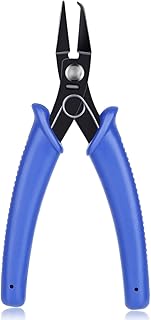
The Evatage opener solves the everyday version of this problem. Most people meet split rings on a keychain long before they meet them on a lure, and this compact tool exists precisely for that moment when a stiff key ring refuses to open.
The tip is fine enough for standard key rings and small jump rings, and the compact body means it lives in a drawer, a pencil cup, or a craft box without taking space. Squeezing it repeatedly is comfortable, which matters if you are building a batch of keychains rather than opening a single ring.
Because it is light and small, it is not the tool for fishing rings beyond small sizes. Ask it to spread a heavy ring and you will feel the frame give. Within its intended range it does the job cleanly and cheaply.
Bottom line: the practical pick for keychains and craft projects, and the cheapest way to stop damaging your fingernails.
- Type: compact split ring opener
- Material: stainless steel
- Tip: fine tapered point
- Best ring range: key rings and small jump rings
- Cutters: none
- Intended use: keychains, jewelry, craft projects
Aimed at anyone who handles keys in volume, from property managers to hobbyists assembling keychain gifts, plus crafters who need a second opener to keep with their beading supplies.
Buy this as a household or craft tool rather than as fishing gear. If you also rig tackle, pair it with one of the dedicated fishing pliers above instead of asking a single small opener to cover both ends of the range.
How to Choose the Right Split Ring Pliers
A split ring plier looks like a simple pair of pincers, but the details decide whether it becomes a permanent part of your kit or ends up rattling loose in a drawer. Below are the criteria that separate a tool you reach for every trip from one you replace after a season.
The Split Ring Tip and Jaw Geometry

Everything starts with the little hooked lug on one jaw. That lug slides under the top coil of the ring and levers it open just enough to slip a hook eye or a swivel through. If the lug is too thick, it will not enter small rings at all. If it is too thin or made from soft metal, it bends after a few dozen hard opens and stops catching the coil cleanly.
Jaw geometry matters just as much. Long, tapered noses reach into a lure body or a treble cluster without your knuckles fighting the hooks, while short, stubby jaws give more leverage on heavy rings. Anglers who mostly throw hard baits with size 4 and larger rings usually prefer the longer nose. Crafters working with tiny key ring loops want the opposite, a compact head with a fine point that will not swallow the ring.
Look for a lug that is machined or hardened rather than simply stamped. On the models in this roundup, the hardened tips hold their shape through repeated openings, which is the single biggest predictor of how long the tool stays useful.
Corrosion Resistance and Materials
Salt is brutal on hand tools. Aluminum bodies with anodized coatings stay light and shrug off spray, which is why so many saltwater pliers use them. Stainless steel in the 420 and 304 families is heavier but takes an edge better and resists deformation under load, so it shows up on tools that also cut line or crimp sleeves.
Whichever material you pick, the weak points are the same: the spring, the pivot pin, and the cutter insert. A tool can have an anodized frame and still seize up because the internal spring is plain carbon steel. Rinsing with fresh water after a saltwater session and adding a drop of light oil at the pivot doubles the useful life of almost any plier, no matter what the frame is made of.
Freshwater and craft users can relax on this point and prioritize precision instead. If your pliers live in a tackle drawer or on a bead bench, a fine hardened steel tip will serve you better than a corrosion coating you never stress. The same logic we apply to other outdoor gear in our tools and home improvement category holds here: match the material to the environment, not to the marketing.
Single Purpose Tool or Multitool
There are two honest paths. A dedicated split ring plier does one job with a small, light head and nothing else to go wrong. A fishing multitool adds a hook remover, a braid cutter, and often a crimping slot, then puts a split ring lug on the tip of the nose. Both approaches are in this list because both are correct for different anglers.
If you are already carrying a plier on your belt for unhooking fish and trimming leader, buying a second tool just for rings is redundant. Choose a multitool with a proper split ring tip and you save a pocket. If you rig lures at home, at a bench, or on a table before a trip, the dedicated tool is faster and far more precise, and it costs less.
The compromise to avoid is a multitool where the split ring lug is an afterthought. You can usually spot it in the product photos: if the lug is a shallow bump rather than a defined hook that stands proud of the jaw, it will slip off rings under pressure.
Spring Action, Grip, and One Handed Use
Spring loaded jaws matter more than most buyers expect. When the plier reopens on its own, you can hold a lure in one hand and work the ring with the other, which is exactly what you need standing on a deck. Without a spring, you end up needing a third hand or setting the lure down on a wet surface where hooks find fabric.
Grip material decides whether that works when your hands are cold and wet. Textured rubber or molded polymer over the handle beats bare metal every time. Some tools go further with a finger loop or a thumb rest that keeps the tool from twisting when you lever a stiff ring open.
Weight plays into it too. A heavy plier feels reassuring in the hand but becomes a nuisance clipped to a shirt or a wading belt for eight hours. Light aluminum bodies in the four to seven ounce range hit the sweet spot for all day carry, while bench tools can be as heavy as you like.
Retention: Lanyards, Sheaths, and Retractors

The most expensive plier is the one at the bottom of a lake. Coiled lanyards clip to a belt loop or a D ring and stretch far enough to work at arm’s length, then pull the tool back to you. Sheaths keep sharp cutters from chewing through a bag and let you carry the tool on a belt where you can find it without looking.
Retractors, sometimes sold as zingers, suit anglers who use the tool constantly and want it hanging on the chest of a pack or a vest. Bench and craft users can skip all of this and simply keep the plier in a tool roll. When you compare models, count the included accessories, because a tool that ships with a sheath and a lanyard often works out cheaper than buying them separately later.
Ring Size Range and Intended Use
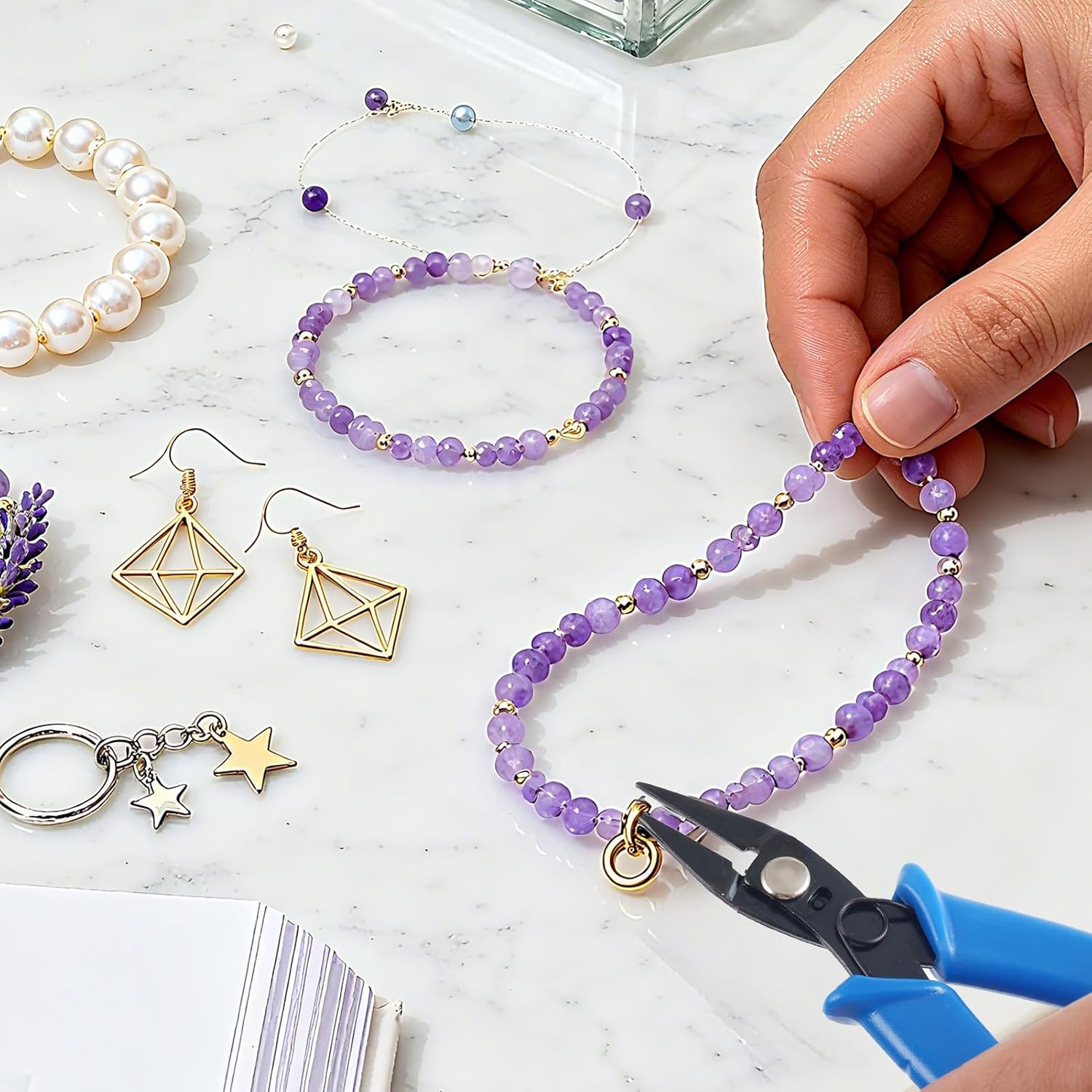
Split rings run from tiny size 0 loops on trout spoons and jewelry findings up to heavy size 10 and larger rings on offshore plugs. No single tool covers that entire span comfortably. Fine tipped jewelry style openers dominate the small end, where a thick fishing lug simply cannot enter the coil. Wide jawed saltwater pliers own the heavy end, where you need leverage to spread thick wire.
Be honest about where you actually spend your time. Freshwater bass and walleye anglers live in the middle of the range and are well served by a mid size dedicated plier. Saltwater anglers swapping trebles on big plugs need the heavy option. Crafters and key ring users need the fine option, and that tool will double for light tackle if you ever need it to.
| Model | Type | Main Material | Best Suited To |
|---|---|---|---|
| KastKing Cutthroat 7 Inch | Dedicated split ring plier | 420 stainless steel | All around fishing use |
| Piscifun Saltwater Pliers | Fishing multitool | Anodized aluminum | Saltwater and hook removal |
| Xuron 496 | Dedicated split ring plier | Hardened tool steel | Small rings and precision work |
| URSKYTOUS Split Ring Pliers | Dedicated opener | Stainless steel | Budget friendly everyday use |
| Booms Fishing X1 | Fishing multitool | Aircraft grade aluminum | Surf and boat anglers |
| Beadthoven Opening Pliers | Fine tweezer style opener | Coated steel | Jewelry and jump rings |
| Evatage Split Ring Opener | Compact opener | Stainless steel | Key rings and craft projects |
Use the table as a shortcut, then read the detailed review tab on each card for the tradeoffs that a spec line cannot capture. If you are building out a full outdoor kit rather than just fixing your ring problem, our guide to the best hiking boots covers another piece of gear where fit and materials decide everything.
Why You Should Trust Us
We build these roundups from data rather than opinion. Every product here was pulled from live Amazon listings, then filtered by verified customer rating and by how many buyers actually left feedback, so a product with a perfect score from a handful of buyers never outranks one with a strong score across thousands. From that filtered pool we removed duplicates, accessory bundles that are really packs of rings, and retaining ring pliers that share a name with split ring pliers but do a completely different job.
What remains is a curated shortlist rather than a padded top ten. We read through recurring themes in customer feedback, cross checked manufacturer specifications for materials and dimensions, and wrote the pros and cons around the issues that show up again and again: bent lugs, seized springs, tips too thick for small rings. We do not claim to have taken every one of these on the water, and we say so plainly instead of inventing hands on impressions.
Final Thoughts
For most anglers, the KastKing Cutthroat 7 Inch Fishing Split Ring Pliers is the best overall choice. It is a purpose built tool with a properly defined split ring lug, a stainless frame that handles spray, and carbide cutters that mean you rarely need a second tool in the boat. It is the one to buy if you only want to buy once.
The URSKYTOUS Split Ring Pliers is the best value pick. It gives you a fine, hardened tip and a comfortable handle for far less than a branded fishing plier, and it happily crosses over between tackle rigging and jewelry work. If your rings are small and your budget is smaller, start here. At the opposite end, the Xuron 496 Split Ring Pliers remains the precision specialist, the tool bench users keep for years because the tip stays true on the finest rings.
For saltwater work where the plier has to unhook fish and trim braid as well as open rings, the Piscifun Saltwater Fishing Pliers is the better fit, with the Booms Fishing X1 close behind for surf anglers who want a sheath and a coiled lanyard included. Craft users and anyone fighting stubborn key rings should look at the Beadthoven Split Ring Opening Pliers or the compact Evatage Split Ring Opener Tool. Once you have your tool sorted, browse more buying guides in our articles hub or see how we approach a similar outdoor tool in the best pruning saw guide.
Frequently Asked Questions
What exactly do split ring pliers do?
Split ring pliers have a small hooked lug on one jaw that slips between the coils of a split ring and holds the gap open. That frees both of your hands to slide a hook eye, swivel, or key onto the ring. Without the tool you are prying at a spring steel coil with a fingernail or a knife point, which is slow, hard on your hands, and a good way to launch a treble hook across the deck.
Are split ring pliers the same as snap ring or retaining ring pliers?
No, and this trips up a lot of shoppers. Retaining ring pliers, often sold as snap ring pliers, have two pins that fit into holes on a circlip and spread it inside a machined groove on a shaft or bore. They are an automotive and mechanical tool. Split ring pliers open a coiled ring by levering between its wraps and have no pins at all. Buying the wrong one is one of the most common mistakes in this category, so check for the lug in the product photos before you order.
What size should I buy in 2026?
Match the tool to your rings, not to the fish. A six to seven inch plier with a medium lug covers the size 2 to size 7 rings used on most freshwater and inshore lures. Step up to a heavier saltwater plier if you swap trebles on large offshore plugs. Step down to a fine tipped opener if you work with size 0 and size 1 rings, jewelry findings, or key rings, because a standard fishing lug will not fit into those coils.
Can I use the same tool for fishing and for jewelry making?
Often yes, and several options in this roundup do exactly that. The direction matters though. A fine jewelry style opener will usually handle small and medium fishing rings without complaint, while a heavy saltwater plier will not fit into tiny craft rings. If you need one tool for both jobs, buy the finer one. If you rig heavy lures often, accept that you need two and keep the small one on the bench.
How do I keep the tip from bending or the plier from seizing?
Three habits cover almost everything. Do not lever a ring wider than the tool was designed for, since that is what bends lugs. Rinse the plier in fresh water after saltwater use and dry it before it goes back in a bag. Add a drop of light machine oil at the pivot and on the spring every few months. Follow those and a decent plier lasts many seasons, which you can read more about across the guides in our category directory.
Write Your Review
No reviews yet. Be the first to share your experience!