

The right indoor plants turn a blank room into somewhere you actually want to spend time, and the best part is that most of them ask for very little in return. We compared the 10 best indoor plants you can order online for September 2026, focusing on varieties that survive real homes with imperfect light, busy schedules, and the occasional missed watering. Our list spans Costa Farms, Altman Plants, Plants for Pets, and it covers everything from a nearly indestructible desk plant to a floor-filling statement tree.
Our top pick is the Costa Farms Snake Plant for its rare mix of low-light tolerance, forgiving watering needs, and upright good looks that fit almost any corner. If you are brand new to houseplants, that is the one to start with. Below you will find nine more options for different rooms, light levels, and lifestyles, plus a buying guide that walks through light, watering, pet safety, and placement so you can match a plant to your space. For more outdoor and garden ideas, browse our patio, lawn, and garden guides.

Pros
- Tolerates low light with ease
- Survives long gaps between watering
- Sculptural upright shape fits narrow spots
- One of the most beginner-proof plants you can buy
- Often chosen for its air-freshening reputation
Cons
- Grows slowly, so it stays a similar size for a while
- Rots quickly if the soil stays soggy
- Leaves can irritate a pet that chews on them
The Costa Farms Snake Plant, sold as Sansevieria or Dracaena trifasciata, is the plant most experts hand to first-time growers, and for good reason. Its stiff, upright leaves store water, so it forgives the busy schedules and forgotten watering cans that doom fussier houseplants.
It reads as a design piece as much as a plant. The sculptural, sword-shaped foliage suits narrow shelves, entryways, and the corner of a desk, and the variegated edges add contrast without needing flowers. It ships already established in a decorative pot, so it looks finished the day it arrives.
The main way people struggle with a snake plant is by caring for it too much. It stores moisture in its leaves and roots, and soggy soil leads to rot faster than dry soil ever will. Give it almost any light, water only when the soil has dried out completely, and it mostly takes care of itself.
Bottom line: if you want one plant that survives low light, travel, and inconsistent watering while still looking sharp, the snake plant is the safest choice on this list and our top pick overall.
- Plant type: Sansevieria, also called Dracaena trifasciata
- Light: Low to bright indirect
- Water: Only when the soil is fully dry
- Height: Roughly 8 to 12 inches at shipping, taller over time
- Pet safety: Mildly toxic if eaten, keep away from pets
- Best for: Beginners, low-light rooms, offices
The snake plant is one of the few houseplants that genuinely tolerates a dim corner. It grows fastest in bright indirect light near a window, but it holds its color and shape in low light where most plants would stretch and fade. Avoid harsh direct sun through glass, which can scorch the leaf edges.
This is a beginner-friendly plant that dislikes fussing more than neglect. Let the soil dry out completely between waterings, then water deeply and let it drain. In winter it may go a month or more between drinks. Skip frequent feeding, wipe dust off the leaves now and then, and it will stay healthy for years.
Pros
- Safe to keep around cats and dogs
- Distinctive braided trunk and full canopy
- Adapts to medium and bright indirect light
- Makes a thoughtful, long-lasting gift
- Forgiving of an occasional missed watering
Cons
- Drops a few leaves when its spot changes
- Dislikes soggy roots and cold drafts
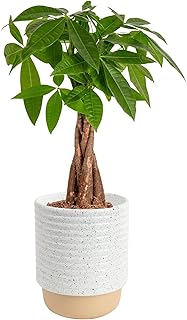
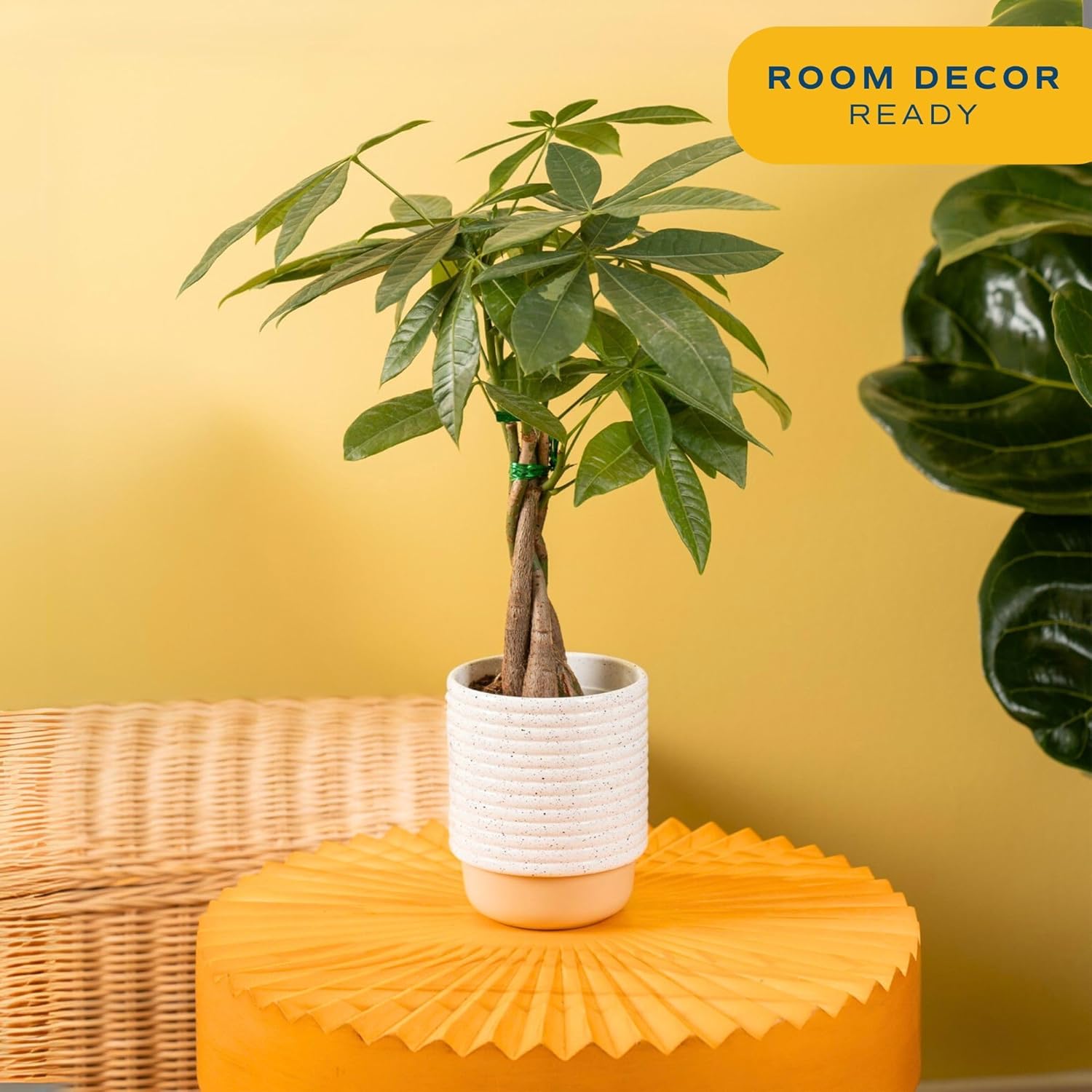
The Costa Farms Money Tree, or Pachira aquatica, pairs an unusual braided trunk with a canopy of glossy green leaflets, and it carries a reputation for bringing good luck that makes it a favorite housewarming gift. It looks far more exotic than it is difficult, which is a big part of its appeal.
What sets it apart on this list is that it is genuinely pet-friendly, so households with curious cats or dogs can display it without hovering. It likes medium to bright indirect light and a drink once the top of the soil dries, and it rewards that light routine with steady new growth.
Like many houseplants, it sulks briefly when you move it, sometimes shedding a few leaves as it adjusts. Give it a stable spot away from cold drafts and heat vents, and it settles in quickly.
Bottom line: for pet owners who want a lush, gift-worthy plant that is still easy to keep alive, the money tree is one of the smartest picks here.
- Plant type: Pachira aquatica, braided money tree
- Light: Medium to bright indirect
- Water: When the top of the soil dries out
- Height: Roughly 12 to 16 inches at shipping
- Pet safety: Non-toxic and pet-friendly
- Best for: Pet owners, gifts, tables and desks
The money tree is one of the safer choices for a home with animals, as it is not considered toxic to cats or dogs. That makes it an easy pick for a coffee table or low shelf where a curious pet might investigate. It is still wise to discourage chewing, since any plant material can upset a sensitive stomach.
Give it bright indirect light, water once the top inch of soil dries, and rotate the pot now and then so the canopy grows evenly. Keep it away from cold drafts and direct heat, and feed lightly during the growing season. It is forgiving enough for beginners and stays handsome with very little effort.

Pros
- Trails beautifully from shelves and hangers
- Grows quickly and fills out fast
- Tolerates low light and missed waterings
- Easy to propagate from cuttings
- Arrives as a multi-pack for several spots at once
Cons
- Vines can irritate a pet that chews on them
- Needs occasional trimming to stay tidy
Pothos, sometimes called devil's ivy, is the trailing plant that made countless people fall in love with houseplants. Its heart-shaped leaves cascade down from a shelf or hanging planter, and it grows fast enough that you see real progress within weeks rather than months.
This four-pack is a practical way to green up several spots at once, or to cluster into one lush, full display. Pothos tolerates low light, though brighter indirect light keeps the variegation strong, and it forgives the occasional dry spell without complaint.
The vines are easy to snip and root in water, so one plant quickly becomes many. The only real caution is that the foliage can irritate a pet that decides to chew, so hang it high or keep it in a pet-free room.
Bottom line: for shelves, mantels, and hanging planters, pothos is the most rewarding trailing plant a beginner can buy, and this multi-pack stretches a long way.
- Plant type: Golden pothos, Epipremnum aureum
- Light: Low to bright indirect
- Water: When the top of the soil dries out
- Growth: Fast-growing trailing vine
- Pet safety: Mildly toxic if eaten, keep out of reach
- Best for: Shelves, mantels, hanging planters
Pothos is famously adaptable and will grow in low light, but it looks its best in bright indirect light, which keeps the leaves large and the variegation crisp. In a dim corner the vines still grow, though the gaps between leaves stretch out. Keep it out of harsh direct sun to avoid scorching.
This is a plant to display up high. Set it on a bookshelf, a mantel, or in a hanging planter where the vines have room to spill downward, and let them lengthen over time. You can also train the vines along a wall with small hooks. Keeping it elevated doubles as a simple way to protect curious pets.

Pros
- Handles low light better than almost anything
- Stores water, so it tolerates neglect
- Glossy foliage always looks polished
- Slow, tidy growth needs little upkeep
- Great choice for offices with no windows
Cons
- Slow grower, so it changes shape gradually
- Leaves and sap can irritate if chewed
The ZZ plant, or Zamioculcas zamiifolia, is the plant to reach for when a room barely sees the sun. Its thick, waxy leaves grow from underground rhizomes that store water, which is why it survives conditions that would flatten most houseplants: dim light, dry air, and an owner who travels a lot.
Costa Farms ships it in a decorative pot, and its glossy, deep green foliage looks polished with essentially no effort. It grows slowly and stays tidy, so it holds its shape on a desk or shelf for a long time without needing a trim.
The only habit to break is overwatering. Because the rhizomes hold moisture, the ZZ prefers to dry out fully between drinks, and soggy soil is the fastest way to cause rot. As with several plants here, keep it away from pets that like to nibble.
Bottom line: if your space is short on light and you are short on time, the ZZ plant is one of the toughest, most low-effort choices you can make.
- Plant type: Zamioculcas zamiifolia, ZZ plant
- Light: Low to medium indirect
- Water: Rarely, only when fully dry
- Height: Roughly 12 to 20 inches at shipping
- Pet safety: Mildly toxic if eaten, keep out of reach
- Best for: Dim offices, forgetful owners, travelers
The ZZ plant is a low-light specialist that keeps its glossy look even in a windowless office under fluorescent light. It will grow a little faster in bright indirect light, but it never demands it. What it cannot handle is harsh direct sun, which bleaches and burns the leaves.
Water only when the soil is completely dry, which can mean every few weeks or longer in winter. Wipe the leaves occasionally to keep their shine, skip heavy feeding, and resist the urge to fuss. This is a plant that genuinely does better when you leave it mostly alone.

Pros
- Produces elegant white blooms indoors
- Flowers even in medium to low light
- Droops visibly when it needs water
- Often chosen for its air-freshening reputation
- Lush, glossy foliage year-round
Cons
- Wilts fast if you let it get too dry
- Leaves can irritate a pet that chews on them
The Costa Farms Peace Lily is the rare flowering houseplant that does not demand a sunny window. It pushes out elegant white blooms, technically modified leaves called spathes, in medium and even lower light, which makes it one of the few ways to get flowers in a dimmer room.
Its best trick for beginners is honesty. When a peace lily gets thirsty, the whole plant droops dramatically, and within hours of a good drink it perks right back up. That built-in signal takes the guesswork out of watering, though you do not want to lean on it too often, since repeated wilting stresses the plant.
It is a long-time favorite for its reputation for freshening indoor air, and its glossy dark leaves look full and healthy year-round. Keep it out of reach of pets, as the foliage can cause irritation if chewed.
Bottom line: for anyone who wants indoor flowers without a bright window, and who appreciates a plant that asks for water out loud, the peace lily is an easy recommendation.
- Plant type: Spathiphyllum, peace lily
- Light: Low to medium indirect
- Water: When the leaves begin to droop
- Blooms: White spathes in the right conditions
- Pet safety: Mildly toxic if eaten, keep out of reach
- Best for: Flowers in lower light, bedrooms, baths
Unlike most flowering plants, the peace lily blooms in medium and even fairly low light, though a spot with bright indirect light encourages more flowers. Direct sun is too much and will scorch the leaves. A north or east-facing room suits it well, which is why it turns up so often in offices and bathrooms.
The peace lily is not a pet-safe plant. Its leaves contain compounds that can irritate the mouth and stomach of a cat or dog that chews them. It is still a wonderful houseplant, but place it on a high shelf or in a room your animals do not roam, and choose the money tree or cat palm for spots within a pet's reach.
Pros
- Fills many small pots from a single order
- Wide variety of shapes and colors
- Stores water and tolerates dry spells
- Great for sunny sills and desks
- Fun, low-stakes way to start collecting
Cons
- Needs plenty of bright light to stay compact
- Rots fast in soggy soil or without drainage
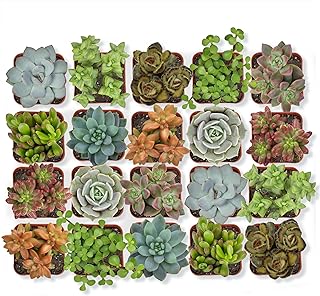
The Altman Plants succulent assortment is the value pick of this guide, and it is a genuinely fun one. Instead of a single specimen, you get a generous mix of small, hardy succulents in a range of shapes, textures, and colors, which is enough to fill a sunny sill or scatter across several desks and shelves.
Succulents store water in their fleshy leaves, so they are forgiving of the same neglect that kills thirstier plants. What they trade for that toughness is a real need for light: give them the brightest spot you have, ideally near a window with some direct sun, or they stretch and lose their compact rosette shape.
Because the assortment varies, it is a low-stakes way to learn what you like and how different succulents behave. Pot them in gritty, fast-draining soil, water only when bone dry, and enjoy experimenting with arrangements.
Bottom line: for the most greenery per dollar and a playful introduction to plant care, this succulent collection is the best value on the list.
- Plant type: Assorted live succulents
- Light: Bright indirect to some direct sun
- Water: Rarely, only when fully dry
- Quantity: A large assorted multi-pack
- Pet safety: Mostly non-toxic, but varies by species
- Best for: Sunny sills, small pots, beginners
Light is the make-or-break factor for succulents. They want the brightest spot in your home, ideally a windowsill with several hours of direct or very bright indirect sun. Too little light and they stretch, pale, and lose their tight rosette form. If your brightest window is still dim, these are one group that may struggle.
Line them up along a sunny windowsill, cluster them in a shallow dish garden, or spread them across desks and shelves that catch good light. Fast-draining soil and pots with drainage holes are essential, since standing water is their biggest enemy. Their small size makes them ideal for tight spots a larger plant could not fill.

Pros
- Long-lasting, glossy waxy blooms
- Adds bold color indoors for weeks
- Compact size fits tables and counters
- Often chosen for its air-freshening reputation
- Blooms on and off through the year
Cons
- Wants bright indirect light to keep flowering
- Sensitive to cold drafts and soggy soil
The Costa Farms Anthurium, often called the flamingo flower, delivers color that most houseplants cannot. Its waxy, heart-shaped blooms last for weeks, far longer than cut flowers, and appear on and off throughout the year when the plant is happy. Against its glossy dark foliage, the effect is striking.
It stays compact, which makes it a natural fit for a coffee table, a kitchen counter, or a bright desk. To keep those blooms coming, give it bright indirect light and steady, moderate moisture, letting the top of the soil dry slightly between waterings.
Anthuriums are tropical, so they dislike cold drafts and soggy roots in equal measure. A warm, humid spot, such as a well-lit bathroom, suits them nicely, and a bit of extra humidity keeps the leaf tips from browning.
Bottom line: when you want lasting indoor color rather than just green foliage, the anthurium is the most rewarding flowering pick on this list.
- Plant type: Anthurium, flamingo flower
- Light: Bright indirect
- Water: When the top of the soil dries slightly
- Height: Roughly 10 to 14 inches at shipping
- Pet safety: Mildly toxic if eaten, keep out of reach
- Best for: Lasting color, tables, bright counters
The anthurium needs bright indirect light to keep producing its signature blooms. In a dim spot it survives but stops flowering and grows leggy. A few feet back from a bright window is ideal, and it is happy to sit near an east or west-facing window. Keep it out of harsh midday sun, which can scorch the leaves.
Aim for steady, moderate moisture: water when the top of the soil dries, and never let it sit in a saucer of water. Warmth and humidity keep it blooming and prevent brown leaf tips, so a kitchen or bright bathroom works well. Feed lightly during the growing season to support new flowers.

Pros
- Safe to keep around cats and dogs
- Full, feathery fronds fill a corner
- Brings a soft tropical feel indoors
- Handles medium to bright indirect light
- A rare pet-safe floor plant
Cons
- Likes soil kept lightly moist, not dry
- Brown tips appear in very dry air
The Costa Farms Cat Palm is one of the few floor-sized plants that is genuinely pet-friendly, which makes it a standout for animal lovers who still want a lush, tropical corner. Its soft, feathery fronds arch outward to fill a space and soften the hard lines of a room.
Unlike the drought-tolerant plants on this list, the cat palm prefers its soil kept lightly and evenly moist, so it rewards owners who enjoy a small, regular routine. It does best in medium to bright indirect light, away from harsh direct sun that can scorch the delicate fronds.
Dry indoor air is its main challenge, sometimes showing as brown frond tips. Grouping it with other plants, keeping it out of the path of heating vents, or adding a little humidity keeps it looking its best.
Bottom line: for pet owners who want the drama of a floor palm without the toxicity worries, the cat palm is the pick, as long as you do not mind watering a bit more often.
- Plant type: Chamaedorea, cat palm
- Light: Medium to bright indirect
- Water: Keep the soil lightly, evenly moist
- Height: Roughly 3 to 4 feet tall
- Pet safety: Non-toxic and pet-friendly
- Best for: Pet-safe floor greenery, corners
The cat palm is a safe choice for homes with cats and dogs, since it is not toxic to either. That is unusual for a floor plant of its size, and it is a big reason pet owners choose it to fill a corner where a curious animal might brush past or nibble. As always, discourage heavy chewing to avoid an upset stomach.
Use it as a floor plant to fill an empty corner, flank a sofa, or sit on a low plant stand where its arching fronds have room to spread. It prefers medium to bright indirect light, so a few feet from a window is ideal. Keep it clear of heating and cooling vents, which dry out the fronds and cause brown tips.

Pros
- Big, bold leaves make a real statement
- Grows tall to anchor a large room
- Fast-growing in bright light
- Modern, tropical, designer look
- Fills an empty corner quickly
Cons
- Needs a bright spot and plenty of room
- Large leaves can split in dry, drafty air
The Costa Farms White Bird of Paradise, or Strelitzia nicolai, is the statement-maker of this guide. Its large, paddle-shaped leaves rise on tall stems to create the kind of dramatic, tropical corner that anchors an entire room, and it grows quickly when it is happy.
This is a plant with real requirements, though none of them are difficult. It wants bright, mostly indirect light and enough floor space to reach its full height, so it is best suited to a large, well-lit living room rather than a dim apartment corner. Give it that, and it grows fast.
Its big leaves naturally split along the edges as they mature, which is normal for the species and part of its wild look, though very dry or drafty air can make it more pronounced. Water when the top of the soil dries, and rotate it so it grows evenly toward the light.
Bottom line: if you have a bright spot and want one plant that transforms a room, the white bird of paradise delivers more drama than anything else on this list.
- Plant type: Strelitzia nicolai, white bird of paradise
- Light: Bright indirect
- Water: When the top of the soil dries out
- Height: Roughly 2 to 3 feet at shipping, taller over time
- Pet safety: Mildly toxic if eaten, keep out of reach
- Best for: Bright rooms, statement corners
This is a sun lover. The white bird of paradise wants the brightest indirect light you can give it, and it tolerates some direct sun once it is established. In low light it slows down, refuses to grow, and looks sparse. Place it near a large, bright window for the best results.
Give it a floor spot with real headroom, since it grows tall and its leaves spread wide. It shines in a bright living room corner, beside a large window, or flanking an entryway. Leave space around it so the leaves are not constantly bumped, which causes tearing, and rotate the pot periodically for even growth.

Pros
- Iconic, designer-favorite silhouette
- Large glossy leaves look sculptural
- Grows into an elegant indoor tree
- Comes in a modern decor planter
- Anchors a styled, bright corner
Cons
- Fussy about consistent light and watering
- Drops leaves when moved or chilled by drafts
The Costa Farms Fiddle Leaf Fig, or Ficus lyrata, is the plant behind countless styled interiors, and for good reason. Its broad, violin-shaped leaves are glossy and sculptural, and a healthy plant grows into an elegant indoor tree that instantly elevates a room.
Reputation aside, this is the fussiest plant on our list, and we would rather be upfront about that. It wants bright, consistent indirect light and a steady watering rhythm, drinking when the top of the soil dries. Sudden changes are what trip owners up, so pick its spot carefully before you commit.
Fiddle leaf figs are famous for dropping leaves when they are moved, chilled by a draft, or watered erratically. Keep it away from vents and doorways, avoid shuffling it around, and it will settle in and reward you with new growth. It ships in a modern decor planter, so it looks the part right away.
Bottom line: for a confident owner who wants a designer statement tree and will give it a stable, bright home, the fiddle leaf fig is worth the extra attention.
- Plant type: Ficus lyrata, fiddle leaf fig
- Light: Bright indirect
- Water: When the top of the soil dries out
- Height: Ships young, grows into a tall indoor tree
- Pet safety: Mildly toxic if eaten, keep out of reach
- Best for: Statement corners, styled interiors
The fiddle leaf fig needs bright, consistent indirect light to hold its leaves and keep growing. A spot near a large, bright window is ideal, but avoid harsh direct midday sun, which can burn the leaves. Rotate the plant every couple of weeks so all sides get light and it grows straight rather than leaning.
Choose its home carefully and then leave it there, because this plant hates being moved. Give it a bright corner away from heating and cooling vents, exterior doors, and drafty windows, all of which trigger leaf drop. A stable, warm, well-lit spot is the single best thing you can do for a fiddle leaf fig.
How to Choose the Best Indoor Plants for Your Home
Picking a houseplant is less about finding the prettiest leaf and more about being honest with yourself. How much natural light does the room really get? How often will you remember to water? Do you have a curious cat or a toddler who puts everything in their mouth? Answer those questions first and the shortlist gets a lot shorter. The criteria below are the same ones we weighed while building this guide, and they will steer you toward a plant that thrives instead of one that slowly declines on a shelf.
Match the Plant to Your Light

Light is the single biggest factor in whether a plant lives or sulks. A south-facing window floods a room with bright light for most of the day, an east or west window gives a few hours of gentler sun, and a north-facing room or an interior corner counts as low light. Before you buy, watch how the sun moves through the space you have in mind so you are matching the plant to reality, not to hope.
Snake plants, ZZ plants, pothos, and peace lilies all hold up well away from a window, which is why they dominate lists of beginner-friendly greenery. On the other end, a fiddle leaf fig or a white bird of paradise wants bright, mostly indirect light to stay full and keep pushing out new leaves. Put a sun lover in a dim corner and it will stretch, drop leaves, and lose color, so respect what each variety asks for.
Be Honest About Your Watering Habits
More houseplants die from too much water than too little. Roots need air as well as moisture, and soil that stays soggy shuts off that air and invites rot. The safest habit for almost every plant on this list is to water thoroughly, let the excess drain away, and then wait until the top inch or two of soil feels dry before watering again.
If you travel often or simply forget, lean toward drought-tolerant varieties like the snake plant, ZZ plant, or a tray of succulents that store water in their leaves and can coast for weeks. If you enjoy a small routine and do not mind checking in, thirstier choices like the peace lily or fiddle leaf fig reward the attention. A cheap moisture meter or the plain finger method removes most of the guesswork.
Check Whether It Is Safe for Pets
If a dog or cat shares your home, safety belongs near the top of your checklist. Several popular houseplants, including the peace lily, snake plant, and pothos, contain compounds that can irritate a pet that decides to chew on them. That does not mean you cannot own them, but it does mean placing them well out of reach on a high shelf or in a room the animals do not roam.
When you want greenery you do not have to police, the money tree and the cat palm are gentle choices that pet owners reach for again and again. Grouping your pet-safe picks at floor level and keeping the riskier ones up high is an easy way to enjoy a full jungle without the worry. For low-maintenance yard projects that keep pets happy outdoors too, our best lawn mowers guide is a useful companion read.
Think About Size and Where It Will Live
A plant that looks perfect in a nursery photo can overwhelm a small shelf or vanish in a large living room. Match the scale of the plant to the spot. Compact growers like the snake plant, ZZ plant, and anthurium suit desks, side tables, and bathroom counters, while a fiddle leaf fig, cat palm, or white bird of paradise earns its keep as a floor plant that fills an empty corner.
Trailing plants change the math entirely. A pothos looks its best spilling off a high shelf, a mantel, or a hanging planter where the vines have room to cascade. Think in three dimensions, not just footprint, and remember that most of these plants keep growing, so leave headroom for the size they will reach in a year or two rather than the size in the box.
Air Quality and Everyday Benefits
Plants will not replace an air purifier, but many of the classics on this list, including the snake plant, peace lily, ZZ plant, and money tree, are often chosen for their reputation for freshening a room while adding humidity that dry, heated air tends to strip away. Bedrooms and home offices are natural homes for these varieties, where a little extra greenery seems to take the edge off a stuffy space.
The everyday benefits go beyond the technical. Caring for something living, even in a small way, gives a room a sense of calm and gives you a tiny daily ritual. That psychological lift is a big reason houseplants have stayed popular, and it costs nothing more than a splash of water once the soil dries out.
Pots, Drainage, and Repotting

Whatever you buy, drainage is not optional. A pot with a hole in the bottom lets excess water escape so the roots never sit in a puddle. Many of these plants arrive in a nursery grower pot that you can slip inside a prettier cachepot, which keeps the look you want without trapping water against the roots. If a decorative pot has no hole, empty any standing water a few minutes after you water.
Most houseplants are happy staying a little snug and only need repotting every year or two, when roots start to circle the pot or poke through the drainage hole. Move up just one pot size at a time, refresh the soil, and you avoid the shock of drowning a small root ball in a giant container. To keep foliage tidy as plants mature, a clean cut with the right tool helps, and our best pruning saws roundup covers heavier trimming jobs.
Quick Comparison of Our Top Indoor Plants
| Plant | Light Needs | Watering | Pet Friendly | Best For |
|---|---|---|---|---|
| Snake Plant | Low to bright indirect | Rare, when fully dry | No, keep out of reach | Beginners and low-light rooms |
| Money Tree | Medium to bright indirect | When top soil dries | Yes | Pet owners and gifts |
| Pothos | Low to bright indirect | When top soil dries | No, keep out of reach | Shelves and hanging spots |
| ZZ Plant | Low to medium indirect | Rare, when fully dry | No, keep out of reach | Dim offices and forgetful owners |
| Peace Lily | Low to medium indirect | When leaves start to droop | No, keep out of reach | Flowers in lower light |
| Succulent Set | Bright indirect to some sun | Rare, when fully dry | Mostly yes, varies | Sunny sills and variety |
| Cat Palm | Medium to bright indirect | Keep lightly moist | Yes | Pet-safe floor greenery |
| Fiddle Leaf Fig | Bright indirect | When top soil dries | No, keep out of reach | Statement corners |
Why You Should Trust Us
We build these guides by pulling real listings and pooling the verified customer ratings behind each plant, then weighing that feedback against how each variety actually behaves in an average home. Live plants are shipped in boxes and grown in different conditions, so we pay close attention to how forgiving a variety is, how well it recovers from travel, and how likely it is to keep a first-time owner from giving up.
We did not grow every one of these in our own living rooms, and we will not pretend otherwise. Instead, we combine established horticultural guidance on light, water, and toxicity with the patterns we see across thousands of real customer reviews, then filter out the artificial look-alikes, empty planters, and seed kits that clutter a search for greenery. What remains is a shortlist of living plants we would comfortably recommend to a friend.
Final Thoughts
If you only take one plant home, make it the Costa Farms Snake Plant. It is our best overall pick because it shrugs off low light, long gaps between watering, and the general chaos of a busy household while still looking sharp on a shelf or beside a desk. It is the closest thing to a plant that thrives on neglect, which is exactly what most new owners need.
For the best value, the Altman Plants live succulent collection is hard to beat, since a single order fills several small pots and lets you scatter greenery across sills, desks, and windowsills at once. If you share your home with pets, the money tree and the cat palm let you go green without constant policing, and if you want a floor plant that makes a room feel finished, the fiddle leaf fig and white bird of paradise deliver real drama. Whichever way you lean, browse the full lineup in our articles library or explore more by department in our categories hub.
Frequently Asked Questions
What are the easiest indoor plants to keep alive in 2026?
The snake plant, ZZ plant, and pothos are the three most forgiving choices, and any of them will survive a beginner learning the ropes. All three tolerate low light and long gaps between watering, so they hold up whether you travel a lot or simply forget. Start with one of those, get comfortable, and then branch out into thirstier or fussier varieties once you trust your routine.
Which indoor plants are safe for cats and dogs?
The money tree and the cat palm are the standout pet-friendly options on this list, which is why pet owners reach for them so often. Many common favorites, including the peace lily, snake plant, and pothos, can irritate an animal that chews on the leaves, so keep those up high or in a pet-free room. When in doubt, look up the specific variety before you bring it home.
How much light do indoor plants really need?
It depends entirely on the variety. Low-light champions like the snake plant, ZZ plant, and peace lily manage in a north-facing room or an interior corner, while sun lovers like the fiddle leaf fig and white bird of paradise want bright, mostly indirect light near a window. Watch your space for a day to see where the light actually falls, then choose a plant that matches it. You can find more room-by-room ideas across our articles library.
How often should I water my houseplants?
For most of these plants, water thoroughly and then wait until the top inch or two of soil feels dry before watering again. Drought-tolerant types like the snake plant and succulents may go weeks between drinks, especially in winter, while a peace lily will tell you it is thirsty by drooping and perk back up soon after a drink. When you are unsure, wait a day, because dry soil is far easier to fix than root rot.
Do indoor plants actually clean the air?
Plants alone will not replace a good air purifier, but varieties like the snake plant, peace lily, and money tree are long associated with freshening a room and adding a little humidity to dry indoor air. The bigger, well-documented benefit is how a bit of greenery makes a space feel calmer and more lived in. Treat the air-cleaning reputation as a nice bonus rather than the main reason to buy, and you will not be disappointed.









Write Your Review
No reviews yet. Be the first to share your experience!