

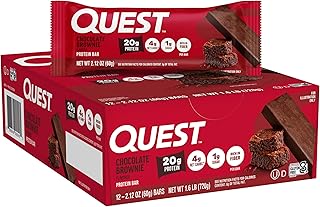
Cutting sugar without giving up snacks that actually taste good is the whole appeal of sugar free protein bars, but the category is full of bars that call themselves “low sugar” while still carrying a few grams of real sugar per serving. The bars that matter are the ones built around genuine sugar substitutes like stevia, sucralose, or monk fruit, not just a smaller scoop of cane sugar. Our top pick is the Quest Nutrition Chocolate Brownie Protein Bar for its 20g of protein and 1g of sugar in a texture that still eats like an actual brownie.
To build this list, we looked at the sugar free protein bars shoppers rate most highly, weighing customer ratings, review volume, and how each brand handles the tradeoff between cutting sugar and keeping the bar edible. Our shortlist of 7 picks for September 2026 spans mainstream names like Quest Nutrition, No Cow, Built Bar and more, each broken down by protein content, sweetener, and texture so you can match a bar to what you actually need. If you want a wider spread of snack options beyond bars, our grocery and gourmet food deals are worth browsing alongside this guide.
Pros
- 20g of protein with just 1g of sugar per bar
- 15g of fiber makes it feel more like a real snack than a candy bar
- Soft, fudgy brownie texture that holds up well outside the fridge
- Individually wrapped for gym bags, desks, and travel
- One of the most reviewed sugar free protein bars on the market
Cons
- The fiber blend can cause bloating if you eat more than one at a sitting
- A faint sweetener aftertaste some tasters notice on the finish
Quest built its name on proving a protein bar could carry almost no sugar and still taste like dessert, and the Chocolate Brownie flavor is the bar most people picture when they hear the brand. Each bar packs 20g of protein into a soft, fudgy texture that is closer to a brownie than the chalky protein bars of a decade ago, and it gets there without leaning on real sugar at all.
The sweetness comes from a blend of stevia and sucralose, while the bar's soluble corn fiber adds both bulk and a full 15g of fiber, which is part of why it eats more like a filling snack than a candy bar. Reviewers consistently point to the texture as the reason they keep buying it over other sugar free options that turn dry or crumbly once opened.
The trade-off is a familiar one for sugar free snacks: the fiber blend that keeps sugar out can cause mild bloating if you eat two or three in a short window, and a small number of tasters pick up on a lingering sweetener note. Neither issue shows up for most people eating one bar at a time.
Bottom line: for anyone who wants a sugar free protein bar that actually satisfies a chocolate craving without the ingredient panel reading like a chemistry set, this is the safest first bar to try.
- Protein: 20g per bar
- Sugar: 1g per bar
- Fiber: 15g per bar
- Sweeteners: stevia, sucralose
- Pack size: 12 individually wrapped bars
- Diet tags: gluten free
Best for anyone who wants a dessert-style sugar free protein bar for an afternoon craving, a post-workout snack, or a meal-replacement backup that does not taste like a supplement.
If you are new to high-fiber protein bars, start with one bar and see how your stomach responds before making it a daily habit, since the fiber blend can cause gas or bloating in larger amounts.

Pros
- 20g of protein with about 1g of total sugars per bar
- Layered chocolate coating and cookie pieces that taste closer to a candy bar than a supplement
- 24 bars per twin pack lowers the cost per bar versus buying single boxes
- No refrigeration needed and holds its shape in a warm gym bag
Cons
- Chocolate coating can melt and stick to the wrapper in hot weather
- Richer and more filling than lighter protein bars, so it eats more like a dessert
Barebells built a following in Europe before landing on American shelves, and the appeal is simple: it is one of the few sugar free protein bars that genuinely tastes like a candy bar. The Cookies and Cream flavor layers a crisp cookie crunch under a real chocolate coating, and at 20g of protein with roughly 1g of total sugars, it delivers that taste without the sugar crash.
The sweetness comes from sucralose rather than sugar alcohols, which is part of why reviewers rarely report the bloating or digestive issues that come up with maltitol-based bars. The bar is dense and chewy rather than dry, closer in mouthfeel to a filled chocolate bar than a typical gym snack.
Because it ships as a double box of 12, you get 24 bars per purchase, which brings the per-bar cost down noticeably compared to buying single boxes of other brands, making it the pick here if you go through protein bars quickly.
Bottom line: if the ingredient list on a protein bar has ever put you off, this is the one to hand to someone who does not think of themselves as a protein bar person.
- Protein: 20g per bar
- Sugar: about 1g total sugars per bar
- Sweetener: sucralose
- Pack size: 24 bars (2 boxes of 12)
- Storage: shelf stable, no refrigeration needed
This listing covers the Cookies and Cream flavor, and the same 24-bar twin pack format is available in Barebells' other core flavors if you want to mix things up on a repeat order.
Keep the box out of direct sun or a hot car, since the chocolate coating softens and can stick to the wrapper once the bar gets warm.

Pros
- 20g of protein per bar with a genuine peanut butter flavor
- Same low-sugar formula that made the brand's brownie flavor popular
- Individually wrapped and easy to portion for daily snacking
- Consistent texture across the whole box
Cons
- Peanut butter flavor is sweeter and richer, which is not ideal if you are avoiding peanuts
- Denser than a fresh-baked snack, so it needs a drink alongside it
If chocolate brownie is Quest's flagship flavor, chocolate peanut butter is the one loyal customers reach for on repeat orders. It uses the same low-sugar formula as the rest of the lineup, built around 20g of protein and a soft chew, but swaps in a roasted peanut butter flavor with a chocolate coating.
The peanut butter comes through clearly rather than as a faint background note, which is the main complaint reviewers have about competing sugar free bars that taste artificial. It holds together well even after sitting in a bag for a few hours, so it survives a commute or a gym locker without falling apart.
Because the base formula is identical to the brownie bar, the same sweetener profile and fiber content apply here, meaning the same mild bloating risk if you eat several in a short window.
Bottom line: a strong pick for peanut butter fans who want the brand's proven low-sugar formula in a flavor that leans savory rather than dessert-like.
- Protein: 20g per bar
- Sugar: about 1g per bar
- Sweeteners: stevia, sucralose
- Pack size: 12 individually wrapped bars
- Diet tags: gluten free
Choose this over the brownie flavor if you want a savory, nutty taste rather than a dessert-style chocolate bar, or if you are buying a variety box and want two distinct flavors in rotation.
Skip this flavor if you have a peanut allergy, and check for cross-contact warnings on the label if anyone in your household does.

Pros
- 14 to 15g of plant-based protein with only 1g of sugar
- Sample pack ships with multiple flavors so you can find a favorite
- Non-GMO and gluten free with a lower carb count than most snack bars
- Softer, less chalky texture than many older plant-based bars
Cons
- Lower protein count than the whey-based bars on this list
- Sample pack means fewer bars per order than a full case
Misfits set out to fix the two biggest complaints about plant-based protein bars: chalky texture and a sugar count that undercuts the whole point of eating one. Each bar delivers 14 to 15g of plant protein alongside just 1g of sugar, and the texture is noticeably softer than older pea-protein bars that tend to crumble.
Because this listing is a variety sample pack, you get several flavors in one order instead of committing to a full case of a single taste, which is useful if you have not tried the brand before or want variety in a lunch bag.
The protein count sits a bit lower than the whey-based bars elsewhere on this list, which matters if you are chasing a specific daily protein target, but it is competitive for a plant-based option and the low sugar carries through regardless of the base protein source.
Bottom line: the pick to reach for if you want a genuinely sugar free protein bar that is also dairy free and plant based, without sacrificing texture.
- Protein: 14 to 15g per bar (plant-based)
- Sugar: 1g per bar
- Pack size: sample pack of 5, multiple flavors
- Diet tags: vegan, non-GMO, gluten free, low carb
Best for anyone avoiding dairy or whey protein, or shoppers who want to sample a few flavors before committing to a full case.
If 20g of protein per bar is a hard requirement, pair this with a whey-based option from this list rather than relying on it alone for a high-protein day.

Pros
- Keto-friendly formula with a low sugar count and high fiber
- Ashwagandha and lion's mane added for a mental focus angle beyond basic protein
- Variety pack format lets you try several flavors in one box
- High protein per bar for a bar built around a nootropic angle
Cons
- Added mushroom and adaptogen ingredients will not appeal to everyone
- Smaller box count than the bigger single-flavor multipacks on this list
MOSH takes a different angle on the sugar free protein bar than most of the field: instead of just cutting sugar, it builds the bar around functional ingredients aimed at focus and energy, adding ashwagandha and lion's mane on top of a high-protein, low-sugar base. The result is a keto-friendly bar that still hits a strong protein number without leaning on real sugar.
The variety pack format means you get a mix of flavors in a single box, which is a good way to figure out which one you like before committing to a full case of one flavor. Reviewers who use it as a mid-afternoon pick-me-up tend to like the combination of steady protein and the mushroom-based ingredients over a straight caffeine snack.
The adaptogen angle is also the bar's biggest dividing line. Shoppers who just want a straightforward sugar free protein bar without extra functional claims may prefer a simpler option, while anyone curious about nootropic ingredients will find this one of the few protein bars built specifically around that idea.
Bottom line: worth trying if you want your sugar free protein bar to double as a focus snack, not just a macro fix.
- Protein: high protein per bar, keto-friendly macros
- Sugar: low sugar formula
- Added ingredients: ashwagandha, lion's mane
- Pack size: 6-count variety pack
- Diet tags: gluten free, keto-friendly
Some shoppers eat this bar about 30 to 45 minutes before a workout or a focus-heavy work session, pairing the protein with the adaptogen blend rather than reaching for a separate supplement.
If you are already taking ashwagandha or other adaptogen supplements, factor this bar into your total daily intake, and check with a doctor if you are pregnant, nursing, or on medication that interacts with herbal supplements.

Pros
- High plant protein with a low sugar, stevia and monk fruit sweetened formula
- High fiber content that helps it feel filling between meals
- Dairy free, soy free, and gluten free, covering most common allergies
- 12-count sampler covers multiple flavors in one box
Cons
- Denser, chewier texture that some find less snackable than a softer whey bar
- Flavor intensity varies more from one variety to the next than single-flavor boxes
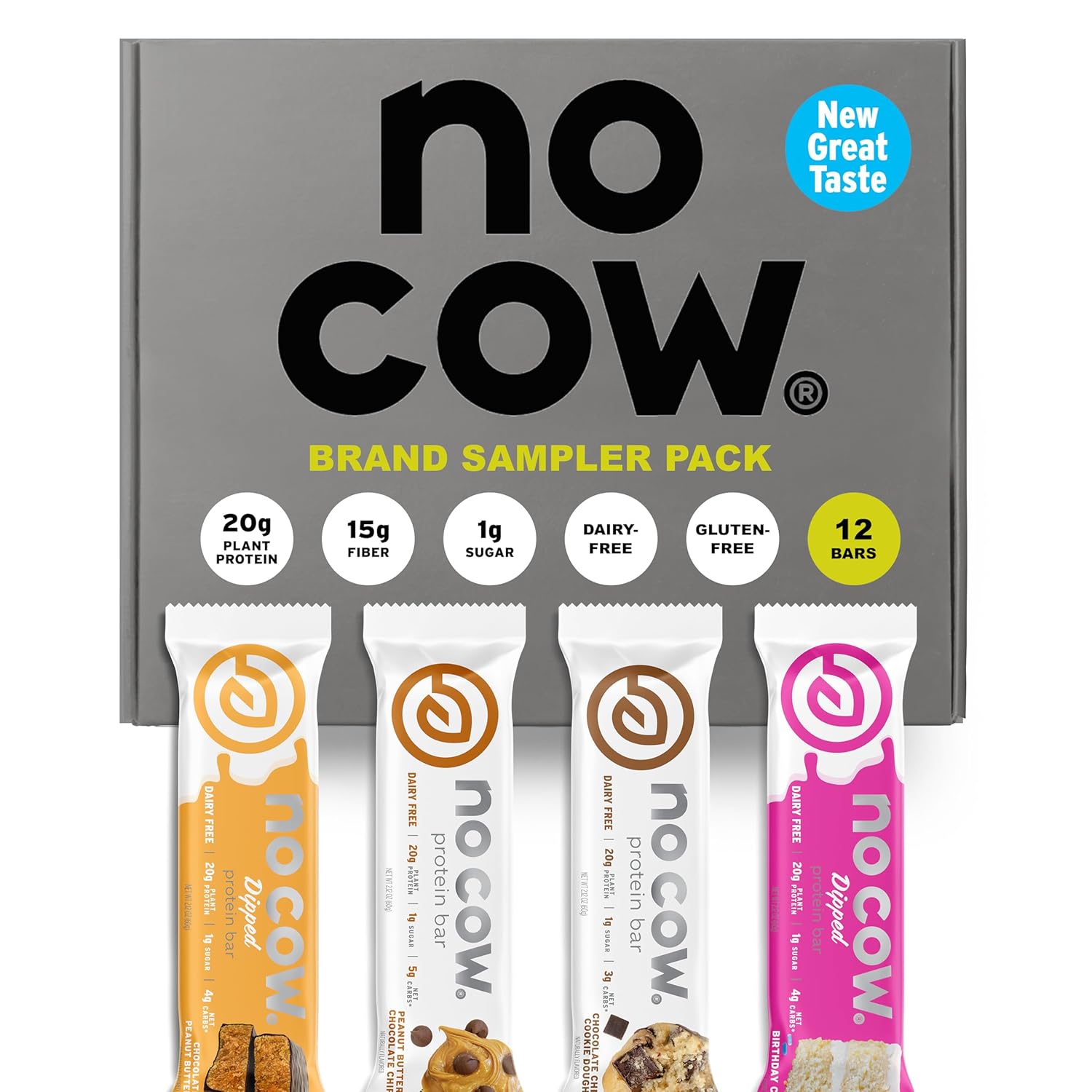
No Cow set out to build a vegan protein bar that does not taste like a compromise, and the sampler pack is the easiest way to see how it stacks up across flavors. The formula relies on stevia and monk fruit rather than sugar or sugar alcohols, and it pairs that with a high fiber count that makes the bar feel more substantial than a typical snack.
Being dairy free, soy free, and gluten free at once makes it one of the more allergy-friendly options in this roundup, which matters if you are shopping for a household with mixed dietary needs. The texture is denser and chewier than the whey-based bars here, which some reviewers prefer and others find less snackable.
Because the sampler ships with several flavors, it is a low-risk way to find a favorite before committing to a full case of just one variety, and the flavor intensity does shift noticeably from bar to bar within the box.
Bottom line: the strongest choice on this list if vegan and allergy-friendly matter as much as sugar free to you.
- Protein: plant-based, high protein per bar
- Sweeteners: stevia, monk fruit
- Pack size: 12-count sampler, multiple flavors
- Diet tags: vegan, dairy free, soy free, gluten free, keto-friendly
Best for vegan shoppers or anyone managing multiple food allergies who still wants a genuinely sugar free protein bar rather than one that just claims low sugar.
If you know you dislike dense, chewy bar textures, sample this box before switching your whole order over from a softer whey-based bar.

Pros
- Puffed, airy texture that feels lighter than a dense whey bar
- 15 to 17g of protein plus added collagen per bar
- Lower calorie count than most bars on this list, useful if you are watching intake alongside sugar
- Variety pack format for trying several flavors at once
Cons
- Puffed texture is less filling than a dense bar if you want a meal replacement
- Protein count trails the 20g whey bars on this list
Built Bar's Puff line takes a different approach to texture than the rest of this list, using an aerated, marshmallow-like fill instead of a dense chew. It still lands at 15 to 17g of protein per bar and keeps sugar low, while adding a scoop of collagen that the brand's original bars do not include.
The lighter texture is the main reason people reach for this one specifically. It eats more like a light candy bar than a dense protein bar, and the calorie count comes in noticeably lower than the whey-based bars in this roundup, which matters if you are tracking both sugar and total calories.
Because it trades some density for that lighter texture, it is not the bar to reach for if you want something filling enough to stand in for a meal. It works better as a between-meal treat that still keeps sugar and calories in check.
Bottom line: the pick here if a dense chewy bar is not appealing and you want something that feels closer to a light dessert.
- Protein: 15 to 17g per bar, plus added collagen
- Texture: puffed, aerated fill
- Pack size: 12-count variety pack
- Diet tags: gluten free
Pick this over a denser bar if you are calorie conscious as well as sugar conscious, or if you simply prefer a lighter, airier texture over a chewy one.
The lower calorie, lighter texture makes this less filling than a dense bar, so pair it with a real meal if you are using it to hold you over rather than as a meal replacement.
How to Choose the Best Sugar Free Protein Bars for Your Needs
Not every bar labeled “sugar free” gets there the same way, and the differences change how a bar tastes, how it sits in your stomach, and how well it fits your diet. Before you build a routine around one brand, it helps to understand what actually separates a genuinely low-sugar bar from one that just markets itself that way. Here are the factors we weigh most heavily when comparing the best sugar free protein bars.
How Brands Actually Get to Zero Sugar
Most of the bars on this list hit their low sugar numbers with a handful of common sweeteners: sucralose and stevia for sweetness, and soluble corn fiber or sugar alcohols like maltitol and erythritol to add bulk and a touch of sweetness without spiking blood sugar. A smaller group of brands lean on monk fruit instead, which tends to leave a cleaner aftertaste for people who are sensitive to sucralose.
Sugar alcohols are worth watching closely if your stomach is sensitive, since eating several bars sweetened with maltitol or erythritol in a short window can cause bloating or a laxative effect. Bars built mainly around stevia and sucralose, like the Quest and Barebells options here, tend to be gentler in that regard because they rely less on sugar alcohols for bulk.
Read the label rather than trusting the front-of-box claim. A bar can say “low sugar” while still carrying two or three grams of real cane sugar, which is a different category from a bar that hits near zero sugar through substitutes alone. If a true sugar free result matters to you, check the nutrition panel, not just the marketing copy.
It also helps to check the ingredient order, not just the sugar line on the nutrition panel. Ingredients are listed by weight, so if a sweetener or sugar alcohol appears near the top of the list, it is doing more of the work in that bar than a brand’s marketing might suggest. Bars that lean on a short, familiar sweetener list tend to be more predictable from batch to batch than ones with a long blend of several different sugar substitutes stacked together.
Whey Protein or Plant-Based Protein

The protein source shapes both texture and nutrition. Whey-based bars, which cover most of this list, tend to deliver a higher protein count per bar, usually in the 15g to 20g range, along with a softer or chewier bite. Plant-based bars built on pea or brown rice protein land closer to 14g to 15g per bar but skip dairy entirely, which matters if you are avoiding it for allergy or diet reasons.
Neither source is strictly better, but they solve different problems. If you are chasing a specific daily protein target and dairy is not a concern, a whey-based bar gets you there in fewer bars. If you need dairy free or fully vegan options, a plant-based bar like the ones from Misfits or No Cow on this list closes that gap without giving up the low sugar formula.
Chewy, Crunchy, or Puffed Texture

Texture is the biggest reason people give up on a sugar free protein bar entirely. Sugar free formulas can go dry, chalky, or overly dense if the brand does not get the fiber and moisture balance right, which is why texture reviews matter as much as the nutrition label. This list spans the range on purpose: dense chewy bars, a candy-bar-style layered bar, and a lighter puffed option.
If you have tried sugar free bars before and found them dry or hard to finish, a puffed or aerated bar like the Built Bar option here is worth trying instead of writing off the whole category. If you like something denser that feels more like a full snack, the chewier bars from Quest and No Cow hold up better over a long day.
Fiber Content and Digestive Comfort
High fiber content is common in sugar free protein bars because fiber does double duty: it adds bulk and a mild sweetness without added sugar, and it helps the bar feel more filling. Several bars on this list carry 10g or more of fiber per serving, which is a real benefit if you are trying to stay full between meals.
The flip side is that a lot of fiber eaten quickly, especially from sugar alcohols, can cause gas or bloating. If you are new to high-fiber sugar free bars, start with one a day rather than replacing multiple meals at once, and give your stomach a few days to adjust before judging a brand by a rough first try.
Added Extras Like Collagen and Adaptogens
A few brands in this category go beyond protein and sugar and add functional ingredients on top, from collagen for skin and joint support to adaptogens like ashwagandha and lion’s mane aimed at focus and stress. These extras are a genuine bonus if they match a goal you already have, but they are not required for a bar to qualify as a good sugar free protein bar.
If you already take a separate collagen or adaptogen supplement, factor a functional bar into your daily total rather than stacking the two blindly. For everyday snacking, a straightforward high-protein, low-sugar bar without extra additives is usually all you need, and our roundup of the best protein bars for athletes covers more performance-focused picks if that is your main goal.
Serving Size and How Often to Eat One
Most sugar free protein bars are sized to work as a single snack rather than a full meal, typically landing somewhere between 200 and 250 calories. That makes them a reasonable stand-in for a mid-morning or mid-afternoon snack, but stacking two or three back to back to replace an actual meal tends to leave you both under-fed on real food and over-loaded on sugar alcohols or fiber for one sitting.
A useful habit is treating a bar as a bridge, not a solution: eat one when you genuinely need something quick between meals, pair it with water, and let a real meal cover the rest of your protein and calorie needs for the day. Buying a variety pack instead of a single flavor also helps you avoid falling into the trap of eating the same bar out of boredom just because it is what is in the pantry.
To make the comparison easier, here is a quick way to match what you want with the kind of bar that tends to fit it best.
| If you want | Look for | Good example |
|---|---|---|
| Maximum protein with proven low sugar | Whey-based, stevia and sucralose sweetened | Quest Nutrition |
| A candy-bar taste without the sugar | Layered chocolate coating, sucralose sweetened | Barebells |
| Dairy free or fully vegan | Pea or brown rice protein, stevia sweetened | Misfits, No Cow |
| A lighter, less dense bar | Puffed or aerated texture | Built Bar |
Why You Should Trust Us
Our ranking is built on real signals rather than marketing claims. We start with the sugar free protein bars shoppers buy and rate most often, then sort by average customer rating and the volume of reviews behind that score, since a bar with thousands of ratings has earned a different level of trust than one with only a handful.
We also cross-check the sugar and sweetener claims against each product’s own nutrition label rather than repeating front-of-box marketing, which is why a few popular “low sugar” bars did not make this list once their actual sugar content was factored in. Our goal is a shortlist grounded in what the label and the reviews actually say, not a wall of brand copy.
We are also upfront about what we did not do: we did not personally sample every flavor of every bar here. Instead, we grouped the field by what each brand does best, from a proven low-sugar formula to a dairy free option to a lighter puffed texture, and we call out the tradeoffs plainly so you can weigh them against your own taste and how your stomach handles sugar substitutes.
Final Thoughts
There is no single best sugar free protein bar, only the best one for your protein target, your stomach, and your sweet tooth. For a genuinely sugar free bar that still tastes like a treat, the Quest Nutrition Chocolate Brownie Protein Bar is our best overall pick, delivering 20g of protein and 1g of sugar in a texture that holds up as well as any bar on this list.
If you go through protein bars quickly and want to keep the cost per bar down, the Barebells Cookies and Cream twin pack is our best value, shipping 24 bars at once without giving up the candy-bar taste the brand is known for. If dairy free or vegan matters more than raw protein numbers, the Misfits and No Cow sampler packs are the better starting point, and if a dense chewy bar has never worked for you, the puffed texture of the Built Bar option is worth a try before you give up on the category. For more everyday grocery picks, browse our full list of buying guides, or start from our broader roundup of the best protein bars if raw protein content matters more to you than the sugar free angle.
Whichever bar you start with, give your stomach a few days to adjust to the sweetener before judging the whole category, and read the nutrition label on any new bar you try to confirm it is genuinely low in sugar rather than just marketed that way.
Frequently Asked Questions
What is the best sugar free protein bar in 2026?
It depends on what you are prioritizing. For the highest protein with a proven low sugar formula, Quest Nutrition is a consistent favorite. For a bar that tastes closer to a candy bar, Barebells stands out, and for dairy free or vegan needs, Misfits and No Cow are the stronger picks. The right choice is the one that matches your protein target and how your stomach handles the sweetener.
Are sugar free protein bars actually healthy?
They can be a useful tool for cutting added sugar while still hitting a protein goal, but they are a snack, not a meal replacement in most cases. Look at the full nutrition label, not just the sugar line, since calories, fiber, and protein all matter for how a bar fits your diet. Our best low calorie protein bars guide is a good next stop if calories matter as much as sugar to you.
What sweeteners do sugar free protein bars use instead of sugar?
Most rely on a mix of stevia, sucralose, and monk fruit for sweetness, combined with soluble corn fiber or sugar alcohols like maltitol and erythritol for bulk and texture. Each has a different aftertaste and a different effect on digestion, so if one brand does not agree with you, trying a bar built on a different sweetener blend is worth it before giving up on the category.
Do sugar free protein bars cause stomach issues?
They can, mainly from the sugar alcohols and high fiber content used to replace sugar. Eating more than one or two in a day, especially early on, is the most common trigger for bloating or a laxative effect. Starting slowly and drinking water alongside a bar usually resolves the issue within a few days as your body adjusts.
How many sugar free protein bars can you eat in a day?
Most people do fine with one or two a day used as snacks rather than meal replacements. Eating several in a row can push your sugar alcohol and fiber intake high enough to cause digestive discomfort, so treat them as a convenient snack alongside real meals rather than a primary food source.

Write Your Review
No reviews yet. Be the first to share your experience!