
Shopping for an outdoor backpack quickly turns into a brand puzzle. Teton, 4Monster, Maelstrom, Oakley, WoneNice, MOUNTAINTOP, SPEEDPARK, Esup, and SKYSPER all sell packs that look similar in a thumbnail but differ a lot once you check frame support, capacity, and included extras like a rain cover. Our top pick is the Teton Sports Scout 55L for its adjustable internal frame, included rain cover, and enough capacity to handle a real multi-day trip without extra add-ons.
Below we compare 9 outdoor backpack brands side by side, based on real owner ratings, so you can match a brand’s strengths to the kind of trip you actually take. If your trips lean toward shorter day hikes, our internal frame hiking backpack roundup covers packs sized for that use case specifically.
Part of the confusion comes from the fact that outdoor backpack brands split roughly into two camps. Established outdoor names, Teton and Oakley among them, tend to put more engineering into frame support and materials, and price accordingly. Newer, budget-focused brands, like 4Monster, SPEEDPARK, and SKYSPER, compete mainly on price and still cover the basics, a rain cover, a decent set of pockets, and a comfortable enough carry for shorter trips. Neither camp is automatically the right choice; it depends on how often you hike and how far you carry a loaded pack.

Pros
- Adjustable torso length and padded hip belt for a customized fit
- Rain cover included, no separate purchase needed
- Internal frame keeps the load stable on uneven trails
- Multiple compartments plus external compression straps for gear
- Durable ripstop fabric holds up to repeated trail use
Cons
- Empty pack weight is on the heavier side for a 55L frame
- Hip belt padding is thinner than dedicated mountaineering packs
- Top lid pocket is small for a bag this size
The Teton Sports Scout 55L is an internal frame backpack aimed at hikers and campers who need enough room for a multi-day trip without stepping up to an expedition-size pack. The adjustable torso system and padded hip belt let it fit a broad range of body types, which is useful for households sharing one pack among different family members.
Storage is split across a main compartment, a sleeping bag compartment at the base, and several smaller pockets for a map, first-aid kit, and other trail essentials. Compression straps on the sides pull the load in tight so the pack does not sway when the trail gets uneven.
The included rain cover is a real convenience, since a soaked pack can ruin gear on a multi-day trip. Build quality has held up well across reviewers who use it for backpacking and camping rather than daily commuting.
Bottom line: this is a dependable, full-featured 55L pack for hikers who want frame support and organized storage without paying premium mountaineering-brand prices.
- Capacity: 55 liters
- Frame type: Internal frame
- Included accessory: Detachable rain cover
- Compartments: Main compartment, sleeping bag compartment, multiple external pockets
- Adjustment: Adjustable torso length and padded hip belt
- Best for: Multi-day hiking, camping, and backpacking
This pack suits hikers planning weekend-to-week-long backpacking trips who need real frame support rather than a simple daypack. The adjustable fit also makes it a reasonable shared-gear option for households where more than one person heads out on the trail.
Spot clean the fabric with mild soap and let it air dry fully before storing to avoid mildew. Keep the rain cover on during storms rather than relying on the pack fabric alone, and inspect zippers and straps before long trips so a worn buckle does not fail on the trail.

Pros
- Folds into its own zip pocket for compact storage
- Very lightweight compared to frame-based backpacks
- Water-resistant fabric handles light rain and splashes
- Affordable price point for a spare or travel bag
Cons
- Not built for heavy multi-day loads
- Thin, unpadded shoulder straps get uncomfortable under a full load
- No internal frame, so it loses shape when packed loosely
The 4Monster daypack is a foldable, water-resistant bag designed to disappear into a suitcase or the bottom of a bigger backpack until it is needed. It is aimed at travelers and day hikers who want a lightweight second bag rather than a primary trail pack.
Because it has no internal frame, it will not carry heavy camping gear comfortably, but for a day hike, a grocery run, or an extra bag on a flight, it does the job at a fraction of the price of a structured backpack.
The water-resistant coating sheds light rain and keeps the interior dry during quick weather changes, though it is not a substitute for a full rain cover during a storm.
Bottom line: this is a smart budget pick for anyone who wants a packable backup bag rather than a dedicated hiking pack.
- Style: Foldable daypack
- Frame type: Frameless, soft-sided
- Material: Water-resistant fabric
- Storage: Folds into its own zip pocket
- Best for: Day hikes, travel, and use as a backup bag
Best suited to travelers who want a spare bag that takes up almost no space, and casual day hikers who do not need frame support or heavy load capacity. It is not the right choice for multi-day backpacking.
If most of your outings are day trips, errands, or flights where a backup bag is handy, a packable daypack like this one is more practical than paying for frame support you will not use.

Pros
- Wet and dry separation compartment keeps damp clothes apart from dry gear
- Rain cover included for sudden weather changes
- Rip-stop nylon resists tears on brushy trails
- Includes a small survival whistle on the chest strap buckle
Cons
- Hip belt is minimal and offers little load transfer
- Main compartment is a single large cavity with fewer internal dividers
The Maelstrom 40L backpack targets hikers who want more organization than a basic daypack without stepping up to a full internal frame pack. The standout feature is the dedicated wet and dry separation compartment, which keeps a damp rain jacket or swimsuit away from dry layers.
Rip-stop nylon construction adds some peace of mind on trails with brush or rocky scrambles, and the included rain cover means one less accessory to buy separately. A small survival whistle built into the chest strap buckle is a nice touch for backcountry safety.
The hip belt is fairly minimal, so this pack transfers most of the load to the shoulders rather than the hips, which is fine for day trips but noticeable on longer treks.
Bottom line: a practical 40L option for day hikes and overnight trips where the wet and dry separation feature earns its keep.
- Capacity: 40 liters
- Material: Rip-stop nylon, water-resistant
- Included accessory: Rain cover
- Special feature: Wet and dry separation compartment
- Extra: Built-in survival whistle on chest strap
- Best for: Day hikes and light overnight trips
Hikers who regularly deal with wet gear, whether from rain, stream crossings, or sweaty layers, will get the most benefit from the dedicated wet and dry compartment on this pack.
Rinse the wet compartment after use and let it dry fully to prevent odor buildup. Check the whistle buckle periodically to make sure it stays functional in case it is needed on the trail.

Pros
- Padded laptop sleeve doubles the pack for outdoor use and daily carry
- Rugged fabric and hardware from a well-known brand
- Comfortable, adjustable shoulder straps
- Compact profile that is easy to carry through crowded trailheads or transit
Cons
- 30L capacity is limiting for multi-day backpacking
- Camo colorway will not suit everyone's taste
- No dedicated rain cover included
The Oakley Enduro 2.0 sits at the crossover point between an outdoor daypack and an everyday carry bag. At 30 liters, it has enough room for a day hike loadout, a change of clothes, and a laptop, which makes it useful for hikers who also want one bag for travel or commuting.
Build quality reflects Oakley's background in rugged sports gear: the zippers and fabric feel durable, and the padded laptop sleeve is a genuine convenience for anyone who needs to carry electronics along with trail gear.
Because it tops out at 30 liters, it is not the right choice for multi-day backpacking trips that need a sleeping bag and several days of food. It works best as a day pack or a travel companion.
Bottom line: a solid crossover pick from a recognizable brand for day hikes, commuting, and light travel.
- Capacity: 30 liters
- Special feature: Padded laptop sleeve
- Frame type: Frameless, structured panel
- Best for: Day hikes, commuting, and light travel
- Brand: Oakley
A good fit for hikers who also want a single bag for commuting or short trips, especially anyone who needs to carry a laptop along with day-hike gear. Not intended for multi-day backpacking loads.
If you split your time between the trail and the office, a crossover pack like this one avoids the cost of buying a separate hiking bag and commuter bag.

Pros
- Expandable top pocket adds 5 extra liters when needed
- Rain cover included
- External straps fit a tent or sleeping bag
- Multiple pockets for organizing smaller gear
Cons
- Frame support is basic compared to dedicated backpacking packs
- Limited color options
WoneNice's 50L pack (rated as 45 plus 5 liters) is built around flexibility: the top pocket expands to add extra room when a trip needs it, then compresses back down for shorter outings. External compression straps handle a tent, sleeping bag, or trekking poles without eating into the main compartment.
Waterproof fabric and the included rain cover give this pack an edge for trips where weather is unpredictable, and the multiple external and internal pockets keep smaller items like a map, snacks, or a first-aid kit within easy reach.
Frame support is more basic than premium hiking brands, so heavier loads will feel it in the shoulders on longer days, but for weekend trips and day hikes it carries comfortably.
Bottom line: a flexible, weather-ready 50L pack for hikers who want room to grow without buying two different bags.
- Capacity: 45 plus 5 liters (expandable)
- Material: Waterproof fabric
- Included accessory: Rain cover
- External attachment: Straps for tent or sleeping bag
- Best for: Weekend camping and day hikes
The expandable top pocket makes this a reasonable single-pack option for hikers who alternate between day trips and weekend camping without wanting to own two separate bags.
Strap bulky items like a tent or sleeping pad to the external loops rather than forcing them into the main compartment, which keeps the pack's center of gravity closer to your back for a more stable carry.

Pros
- 400D polyester fabric resists water and abrasion
- Smooth YKK zippers hold up to repeated use
- Lightweight build keeps overall pack weight down
- Breathable back panel improves comfort on warm days
Cons
- Hydration sleeve fits smaller reservoirs only
- Hip pockets are small for larger essentials
MOUNTAINTOP's 40L pack focuses on keeping weight down without cutting corners on materials. The 400D polyester fabric is water-repellent and holds up to scrapes against rocks and branches, and the YKK zippers are a noticeably higher-quality touch than many packs in this size and price range use.
A breathable back panel helps manage sweat on warmer hikes, and the overall build stays light enough that the pack itself does not eat into your weight budget for gear.
The hydration sleeve is sized for smaller reservoirs, so hikers running a larger bladder should check compatibility first, and the hip belt pockets are on the small side for anyone wanting to stash a phone there.
Bottom line: a well-built, lightweight 40L pack for hiking, camping, and travel where fabric quality matters.
- Capacity: 40 liters
- Material: Water-repellent 400D polyester
- Hardware: YKK zippers
- Back panel: Breathable design
- Best for: Hiking, camping, and travel
A strong choice for hikers who prioritize a lightweight pack with durable fabric and hardware over maximum storage volume or a heavily padded hip belt.
Wipe down the polyester shell after muddy trips to preserve the water-repellent coating, and check the hydration sleeve size against your reservoir before a long trip to avoid a poor fit on the trail.

Pros
- Low price point for a 40L pack with a rain cover included
- Waterproof fabric handles light rain
- Dedicated shoe compartment keeps dirty footwear separate
- Enough pockets for basic trail organization
Cons
- Stitching and hardware feel less refined than pricier packs
- Shoulder strap padding is thinner under a full load
SPEEDPARK's 40L daypack is built for hikers and travelers who want the basics covered at a low price: a rain cover, waterproof fabric, and a reasonable set of pockets, including a separate shoe compartment for muddy boots or a change of footwear.
Reviewers generally treat it as a solid entry-level pack rather than a long-term investment piece. The stitching and zipper hardware are functional but not as refined as pricier competitors, and the shoulder straps get less comfortable once the pack is loaded close to capacity.
For occasional hikers or as a spare travel bag, it delivers useful features without a big price tag.
Bottom line: a fair budget option for hikers who want a rain cover and shoe compartment without paying premium-brand prices.
- Capacity: 40 liters
- Material: Waterproof fabric
- Included accessory: Rain cover
- Special feature: Separate shoe compartment
- Best for: Budget-conscious hikers and travelers
Choose this pack if the priority is covering the basics, rain protection, a shoe compartment, and reasonable storage, at the lowest price in this roundup rather than premium materials.
Best for occasional hikers, students, or travelers who want a functional 40L pack without a big budget, rather than frequent backpackers putting heavy mileage on their gear.

Pros
- Large 50L capacity fits multi-day gear
- Rain cover included
- External gear loops for a tent, mat, or trekking poles
- Adjustable straps accommodate different body sizes
Cons
- Gets heavy once fully packed given the basic frame support
- No dedicated hydration sleeve
- Hip belt is fairly basic for the amount of weight it can carry
Esup's 50L pack is aimed at hikers and campers who need real capacity for multi-day trips without paying for a premium mountaineering brand. The main compartment is roomy enough for several days of clothing and gear, and external loops handle bulky items like a sleeping mat or trekking poles.
The included rain cover and water-resistant shell are useful for unpredictable weather, and adjustable straps make it workable across a range of body sizes.
Because the frame support is fairly basic, a fully loaded pack will feel heavier on the shoulders over a long day than it would in a pack with a more structured hip belt, so this is better suited to moderate mileage than serious mountaineering.
Bottom line: a capacity-focused 50L pack for hikers and campers who need room over refinement.
- Capacity: 50 liters
- Material: Waterproof fabric
- Included accessory: Rain cover
- External attachment: Gear loops for tent, mat, or poles
- Best for: Multi-day hiking and camping
Suited to hikers and campers who prioritize capacity for multi-day trips and are comfortable with a simpler frame and hip belt rather than premium mountaineering support.
Load heavier items closer to your back and toward the middle of the pack to keep the center of gravity stable, and use the external loops for bulky but lightweight items rather than heavy gear.

Pros
- Lightweight build for all-day comfort
- Multiple compartments for organized packing
- Affordable price for a 35L pack
- Compact enough for both trail and travel use
Cons
- 35L capacity limits trips longer than a weekend
- Less frame padding than larger backpacking packs
SKYSPER's 35L daypack splits the difference between a trail pack and a travel bag. The lightweight build makes it comfortable for a full day of hiking or sightseeing, and multiple compartments keep clothing, electronics, and smaller gear separated rather than tossed into one big cavity.
At 35 liters, it has enough room for a weekend getaway or a long day hike, but it is not intended for extended backpacking trips that need several days of food and a sleeping bag.
Padding on the frame and straps is lighter than dedicated backpacking packs, which keeps weight down but means it carries best when not pushed to its maximum capacity.
Bottom line: a versatile, budget-friendly pick for weekend trips, day hikes, and travel where a full-size backpacking pack would be overkill.
- Capacity: 35 liters
- Style: Lightweight travel daypack
- Compartments: Multiple, for organized packing
- Best for: Weekend trips, day hikes, and travel
A good fit for anyone who wants one pack that works for both a day hike and a short trip away, rather than owning separate travel and trail bags.
Best for weekend travelers and day hikers who value light weight and organization over maximum capacity, and who do not need heavy frame support.
Buying Guide: How to Choose Among Outdoor Backpack Brands
Every brand on this list makes a hiking or camping backpack, but the details that matter, frame type, capacity, and included accessories, vary enough that the “best” brand really depends on your trip style. Here is what to weigh before you buy.
Frame Type: Internal Frame vs. Frameless
Brands like Teton and Esup build their larger packs around an internal frame, a set of stays that run along the back panel to transfer weight from your shoulders to your hips. That matters once you are carrying more than about 30 pounds of gear, since a frame keeps the load close to your spine instead of pulling you backward.
Frameless packs, like the 4Monster daypack in this lineup, skip that structure entirely to save weight and cost. They carry fine for a day hike or a quick trip, but they lose their shape and comfort once you load them up for multiple days on the trail.
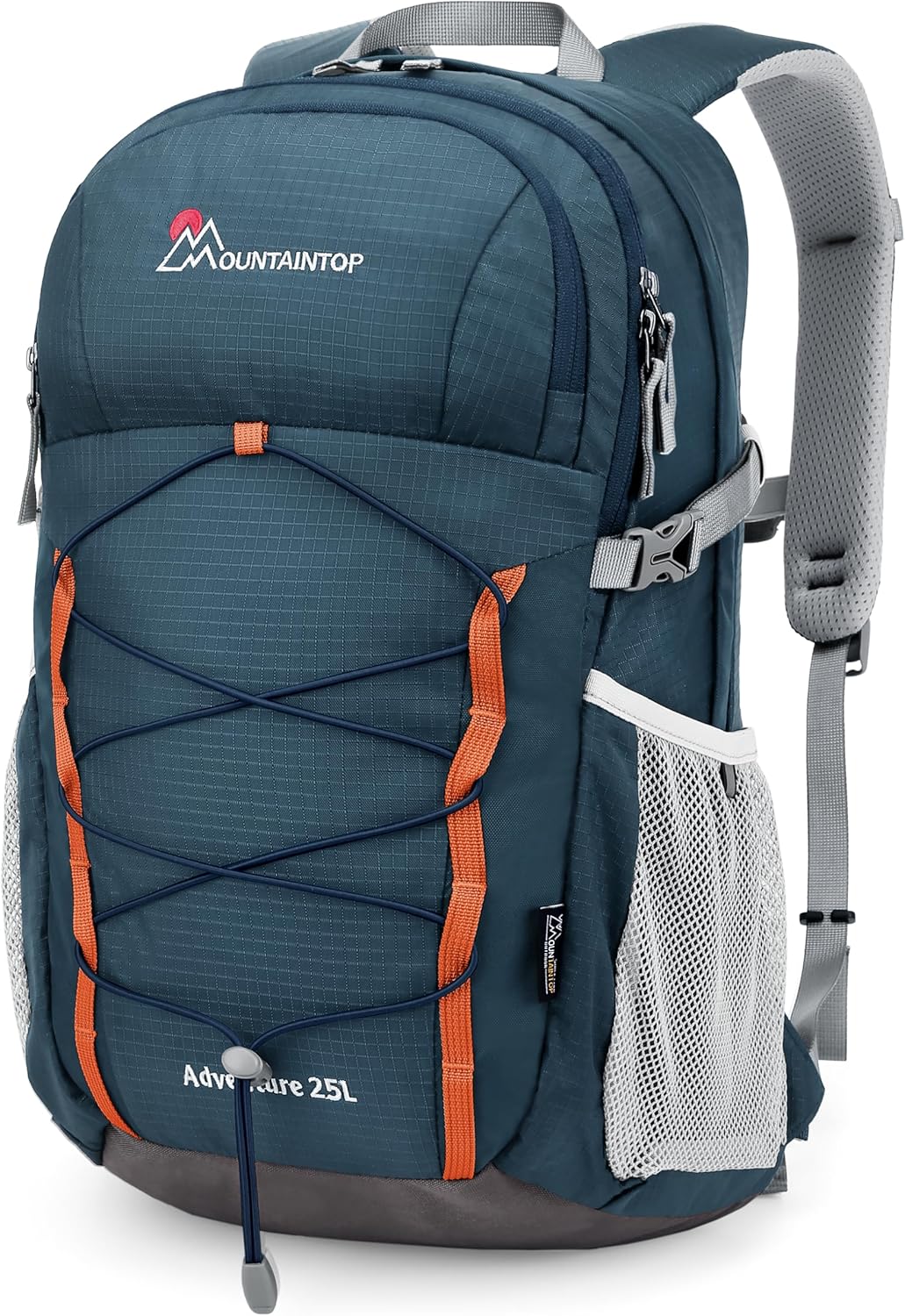
A handful of brands here land in between. MOUNTAINTOP and WoneNice use lighter internal support that is not as rigid as a full mountaineering frame but still does more than a plain frameless bag, which is a reasonable middle ground for hikers who want some structure without the extra weight of a heavier frame system.
Capacity: Matching Liters to Trip Length

As a rough guide, packs in the 25 to 35 liter range (like the SKYSPER 35L or Oakley Enduro 2.0 30L in this roundup) suit day hikes and short overnight trips. The 40 to 45 liter class (MOUNTAINTOP, Maelstrom, SPEEDPARK) covers weekend trips comfortably. Once you get into 50 liters and up (WoneNice, Esup, and Teton’s 55L pack), you have enough room for several days of food, clothing, and a sleeping bag.
Buying more capacity than you need is a common mistake. A half-empty 55L pack rides worse than a properly loaded 35L pack because the unused space lets gear shift around inside.
It helps to think in terms of nights rather than a vague sense of “bigger is safer.” A single overnight rarely needs more than 40 liters once you account for a lightweight sleeping setup, while three or more nights, or any trip where you are also carrying shared gear like a stove or extra water, pushes you toward the 50 liter class. If you regularly hike solo for a single night at a time, a smaller pack will also be easier to keep organized since there is less empty space for items to get lost in.
Weather Protection: Rain Covers and Water-Resistant Fabric
Most of the brands here, Teton, Maelstrom, WoneNice, SPEEDPARK, and Esup, include a detachable rain cover in the box, which is worth checking for since it is often sold separately on packs from other brands. Beyond the cover, look at the shell fabric itself: water-repellent coatings on packs like the MOUNTAINTOP 400D polyester shed light rain and morning dew even before you pull the cover out.
Keep in mind that a rain cover protects the outside of the pack but not what is already inside it if water gets in through a zipper or a seam during a downpour. Hikers heading into genuinely wet climates often add a lightweight dry bag or pack liner around clothing and sleep gear as a second layer of protection, even on packs that already include a cover.
Organization: Compartments, Hydration Sleeves, and Extras

If you hike with a hydration bladder, confirm the sleeve size fits your reservoir before buying, since some packs in this price range are sized for smaller bladders. Features like the Maelstrom’s wet and dry separation compartment or the SPEEDPARK’s dedicated shoe compartment solve specific packing problems, so think about what you actually carry rather than counting total pockets.
External attachment points matter just as much as internal pockets once you start carrying bulkier gear. Loops and straps for a tent, sleeping mat, or trekking poles, found on the WoneNice and Esup packs here, free up main compartment space for softer items like clothing and a sleeping bag, which keeps the load easier to pack and repack each morning on a multi-day trip.
Comfort Under Load: Hip Belts and Back Panels
A padded hip belt matters more as capacity and weight go up. Packs built for bigger loads, like the Teton 55L, put more engineering into the hip belt and back panel than smaller daypacks do, since that is where a poorly padded belt becomes noticeable on a long day. If you plan to hike for more than a few hours at a time, prioritize hip belt padding over extra pockets.
Back panel ventilation is the other comfort factor that is easy to overlook in photos. A mesh or channeled back panel, like the one on the MOUNTAINTOP pack, keeps airflow moving between the bag and your back on warm days, which makes a noticeable difference on longer climbs even if the pack itself is not carrying much weight.
Pack Weight: What the Bag Itself Costs You
Every pound of frame, fabric, and hardware is a pound you carry before you add a single item of gear. Packable and frameless designs, like the 4Monster daypack, keep the pack’s own weight to a minimum, which matters most on long day hikes where every extra ounce adds up over hours of walking.
Larger frame packs trade some of that weight savings for comfort and durability under load. The Teton 55L and Esup 50L both weigh more empty than the daypacks in this roundup, but that extra material is what lets them carry heavier loads comfortably over multiple days. Decide which tradeoff matters more for the trips you take most often, rather than assuming the lightest pack is always the better buy.
| Brand | Capacity | Frame | Rain Cover | Best For |
|---|---|---|---|---|
| Teton | 55L | Internal frame | Included | Multi-day backpacking |
| 4Monster | Packable | Frameless | No | Travel and backup bag |
| Maelstrom | 40L | Frameless | Included | Day hikes with wet gear |
| Oakley | 30L | Frameless | No | Day hikes and commuting |
| WoneNice | 50L (45+5) | Basic frame | Included | Weekend camping |
| MOUNTAINTOP | 40L | Lightweight frame | No | Lightweight hiking |
| SPEEDPARK | 40L | Frameless | Included | Budget hiking and travel |
| Esup | 50L | Basic frame | Included | Multi-day camping |
| SKYSPER | 35L | Frameless | No | Weekend trips and travel |
For a deeper look at frame construction specifically, see our internal frame backpacks under $100 guide.
Why You Should Trust Us
We built this roundup by comparing brands across capacity, frame construction, included accessories, and the pattern of feedback left by real buyers on each product, rather than picking favorites based on marketing copy. Every rating and review count referenced here reflects publicly available customer feedback at the time of writing.
Our focus is on matching each brand’s strengths to a specific type of trip, since the right pack for a weekend camping trip is rarely the right pack for a fast day hike. We update our outdoor gear guides as new models and brands earn a strong enough track record to include.
We also cross-check each brand’s stated specifications, capacity, fabric, and included accessories, against the pattern of feedback in verified customer ratings rather than relying on a single listing’s marketing claims. When a brand’s real-world reputation and its published specs line up consistently, that gives us more confidence recommending it than a high star rating alone would.
Because outdoor gear needs vary so much by trip type, we did not try to crown a single “best” brand for every hiker. Instead, this roundup is organized so you can match a brand’s specific strengths, frame support, weather protection, capacity, or price, to the kind of trips you actually take.
Final Thoughts
If you only take one thing from this roundup, it is that the “best” outdoor backpack brand depends entirely on trip length. For multi-day hiking and camping, the Teton Sports Scout 55L Internal Frame Backpack earns the best overall spot here thanks to its adjustable frame, included rain cover, and genuine multi-day capacity.
If you want most of that functionality without spending as much, the 4Monster Packable Water-Resistant Hiking Daypack is our best value pick. It folds into its own pocket, costs a fraction of a full-frame pack, and covers day hikes and travel well.
For hikers who want a crossover bag that also works as a commuter pack, the Oakley Enduro 2.0 30L stands out for its padded laptop sleeve and recognizable build quality. Whichever brand you choose, match the liter count to your actual trip length first, since an oversized or undersized pack undermines even the best frame and fabric. If insulated storage is more your priority than hiking capacity, our insulated backpack cooler picks cover that use case separately.
A few other brands here are worth calling out for specific situations rather than general use. Maelstrom’s wet and dry separation compartment is a genuine advantage for hikers who deal with rain or stream crossings regularly, while Esup and WoneNice both make sense if raw capacity for multi-day gear matters more to you than a refined hip belt. SPEEDPARK remains the pick if budget is the deciding factor and you still want a rain cover and a dedicated shoe compartment included.
MOUNTAINTOP and SKYSPER round out the field as lighter-weight options: MOUNTAINTOP for hikers who care about fabric and hardware quality in a smaller package, and SKYSPER for anyone who wants one affordable bag that handles both a weekend trip and everyday travel without extra bulk. None of these brands is the wrong choice outright, they are simply built for different trips, which is exactly why comparing them side by side matters more than chasing a single “best” label.
FAQs About Outdoor Backpack Brands
What is the best outdoor backpack brand for beginners in 2026?
For a first hiking backpack, a mid-capacity pack with an included rain cover, like the Maelstrom 40L or SPEEDPARK 40L in this roundup, is an easier starting point than a large frame pack, since it is lighter to carry while you get used to hiking with a loaded bag.
Do I need an internal frame backpack for day hikes?
Not usually. Frameless daypacks like the 4Monster or SKYSPER carry a day’s worth of gear comfortably. Internal frames earn their keep once you start carrying camping gear for multiple days, which is when weight transfer to the hips becomes noticeable. See our full outdoor backpacks guide for more on picking the right style.
How many liters do I need for a weekend camping trip?
Most hikers find 40 to 50 liters comfortable for a two to three night trip, which covers a sleeping bag, a change of clothes, and food. Packs like the WoneNice 50L or Esup 50L in this roundup sit right in that range.
Is a rain cover really necessary for outdoor backpack brands?
It is one of the cheapest ways to protect your gear on the trail. A soaked sleeping bag or set of clothes can ruin a trip, so brands that include one, like Teton, WoneNice, and Esup, save you a separate purchase and give real peace of mind during unpredictable weather.
Can I use a hiking backpack for travel instead of a suitcase?
Yes, many hikers already do this with packable or crossover packs like the 4Monster daypack or the Oakley Enduro 2.0, which double as carry-on travel bags. For a dedicated look at that crossover use case, browse our full articles hub for more gear guides.

Write Your Review
No reviews yet. Be the first to share your experience!