

A framed pack is the difference between a trail day that ends with tired legs and one that ends with a sore back and bruised shoulders. Internal frame designs move most of the load off your shoulders and onto your hips, and that single change is why they have taken over the backpacking aisle. Our top pick is the Teton Explorer 4000 65L Internal Frame Backpack for its adjustable torso length, genuine load transfer to the hipbelt, and durability that holds up across long seasons. For September 2026 we narrowed the field to a shortlist of 8 internal frame hiking backpacks from MOUNTAINTOP, Amazon Basics, Loowoko and more, ranked using real customer ratings and the volume of verified owner feedback rather than marketing copy.
The picks below cover weekend loads, week long hauls, and lighter framed daypacks for people who want suspension support without carrying a full expedition bag. If you are outfitting a whole kit rather than just a pack, our guides to the best walking shoes and the wider sports and outdoors category pair naturally with everything here.

Pros
- Adjustable torso length fits a wide range of body sizes
- Aluminum stays transfer weight onto the hipbelt effectively
- Sleeping bag compartment with removable divider
- Rain cover included in the box
- Multiple compression straps stabilize partial loads
Cons
- Heavier than premium ultralight packs of similar volume
- Contact back panel runs warm on hot climbs
- Hipbelt pockets are small for larger phones
The Teton Explorer 4000 is a full size internal frame backpacking pack aimed at hikers who want real suspension without paying specialist brand prices. At 65 liters it sits in the band that covers everything from a long weekend to a full week, which makes it the natural single pack choice for someone who does not want a quiver of bags.
The suspension is the reason it keeps showing up at the top of owner rankings. Aluminum stays paired with a padded hipbelt actually push the load onto the hips rather than hanging it from the shoulders, and the sliding torso adjustment means you can dial the harness to your own measurement instead of hoping a fixed size lands correctly. Load lifters, a sternum strap, and several compression straps let you stabilize a partial load so the pack does not sag when you carry less.
The compromises are predictable for the category. It is not a light pack by ultralight standards, so the empty weight eats into your carry budget on longer trips. The close contact back panel keeps the load stable but breathes less than a suspended mesh design, which shows on hot afternoon climbs. Hipbelt pockets are functional but tight for a large phone.
Bottom line: for the money this is the most complete internal frame package here, and it is the pack we would recommend to the majority of readers shopping this category.
- Capacity: 65 liters
- Frame: internal aluminum stays
- Torso: adjustable harness
- Access: top load plus sleeping bag compartment
- Hydration: internal sleeve compatible
- Rain cover: included
- Pockets: lid, front, dual side, hipbelt
Best for hikers stepping up from a daypack to multi night trips, and for households where one pack is shared between people of different heights. The adjustable torso makes it forgiving to buy without trying it on first.
It is less suited to gram counters chasing the lightest possible base weight, or to hikers who only ever do day trips and would be better served by a 30 to 40 liter framed daypack.
Sleeping bag in the bottom compartment, dense items such as food and cook kit against your spine at mid back height, clothing filling the gaps around them, and rain gear plus snacks in the lid. Cinch the compression straps after loading so nothing shifts.
Put on the hipbelt first over your hip bones, then shoulder straps, then load lifters, then sternum strap. That order is what makes the frame do its job.

Pros
- Lowest barrier to entry for a genuine framed pack
- Rainfly included
- Adjustable straps accommodate different torso lengths
- Roomy main compartment for bulky sleeping gear
- Simple design with few failure points
Cons
- Hipbelt padding is thinner than specialist brands
- Fabric and hardware are basic for hard use
- Organization is minimal compared with dedicated hiking brands
This is the pack that answers the question of whether backpacking is going to stick. It gives you the essentials of an internal frame system, a stiffened back, a padded hipbelt, adjustable shoulder straps, and a rainfly, without the outlay of a specialist brand.
What it does well is basic competence. The frame keeps the bag structured so weight lands on the hips instead of the shoulders, the main compartment is generous enough for a sleeping bag, pad, and several days of clothing, and the included rainfly saves a separate purchase. For a first season of car camping trailheads and shorter overnights, it covers the job.
Where it gives ground is in the details that matter over years. The hipbelt padding compresses sooner than premium foam, the fabric and buckles are ordinary rather than bombproof, and the organization is sparse if you like a pocket for everything. Owners carrying heavy loads regularly tend to move up eventually.
Bottom line: the smart low risk entry point into framed packs, and the best value on this list by a comfortable margin.
- Capacity: 65 to 75 liters depending on size option
- Frame: internal frame construction
- Torso: adjustable shoulder harness
- Access: top loading main compartment
- Rainfly: included
- Belt: padded hipbelt with waist buckle
Buy this if your trips are short, occasional, and close to the trailhead, or if you are equipping a teenager who is still growing. Spend more if you already know you hike often, carry over about 35 pounds, or head out in sustained bad weather.
Whatever you decide, measure your torso before ordering. A budget pack that fits will always carry better than an expensive one that does not.
Avoid overloading it. Staying under roughly 30 to 35 pounds keeps stress off the belt stitching and the frame. Sponge clean with mild soap and lukewarm water, never a washing machine, and air dry fully before storing loosely rather than compressed.
Check the load lifter and hipbelt stitching at the start of each season, since those are the first points to show wear on entry level packs.

Pros
- Fully adjustable torso and hipbelt for a precise fit
- Built by an established outdoor brand with real warranty support
- Comfortable under heavy or awkward loads
- Hydration compatible
- Plenty of external attachment options
Cons
- Heavier empty weight than budget rivals
- Adjustment system takes patience to dial in the first time
- Rain cover is not always included
The Kelty Coyote is the pick for hikers who care about dialing in fit and expect to carry loads that punish a lesser suspension. Its adjustable torso and hipbelt system lets you tune both dimensions rather than accepting a single fixed geometry, which is unusually flexible for a pack in this class.
Under load it feels planted. The frame keeps the bag upright and the belt engaged, so heavy or awkwardly shaped gear rides without the sway that makes a cheap pack tiring. External lash points and compression straps handle the overflow, and hydration compatibility means you are not stopping constantly on dry stretches.
The trade is weight and setup time. It is not the lightest 65 liter pack on the shelf, and getting the adjustment right the first time takes patience and ideally a second pair of hands. Once set, though, it stays put.
Bottom line: the choice for adjustable fit and heavier hauling, and a reassuring option if brand support matters to you.
- Capacity: 60 to 65 liter class
- Frame: internal perimeter frame
- Torso: fully adjustable
- Hipbelt: adjustable and padded
- Hydration: compatible
- Access: top load with lid pocket
This is the pack to take when the load is unavoidable: shared group gear, winter insulation, extra water for a dry camp, or carrying part of a child's kit. The frame and belt keep working where thinner suspensions start folding.
Keep dense weight high and close to your spine, and re snug the hipbelt after the first mile once the padding settles.
Measure your torso, set the harness to that number, then load the pack to roughly the weight you plan to carry before fine tuning. Adjusting an empty pack gives a misleading result.
Aim for load lifters at about 45 degrees and a hipbelt centered on the iliac crest, then leave the setting alone unless your layering changes drastically.

Pros
- Right sized volume for weekend and short trips
- Adjustable torso harness
- Rain cover included
- Lighter and less bulky than 65 liter siblings
- Sleeping bag compartment for easy loading
Cons
- Tight for week long trips or winter loads
- Back panel is warm in summer heat
- Hipbelt pockets are modest in size
The Scout 3400 is the smaller sibling in the Teton lineup and is arguably the better fit for most recreational hikers. Fifty five liters covers two to four nights comfortably for anyone with reasonably compact gear, and the reduced volume means less temptation to fill space you do not need.
It carries the same suspension logic as its larger sibling: adjustable torso, padded hipbelt, load lifters, and a sleeping bag compartment that keeps your bulkiest soft item at the bottom. A rain cover is included, which remains one of the more meaningful value additions in this price band.
Its limits show on longer or colder trips. A bulky winter bag plus insulation will fill it quickly, and the close contact back panel runs warm on hot climbs. Hipbelt pockets are usable but small.
Bottom line: the smarter pick over a 65 liter pack if your trips are short, and a genuinely comfortable weekend hauler.
- Capacity: approximately 55 liters
- Frame: internal aluminum stays
- Torso: adjustable harness
- Access: top load plus sleeping bag compartment
- Rain cover: included
- Hydration: compatible sleeve
Ideal for weekend backpackers, scout groups, and anyone whose typical trip is two or three nights in mild weather. Also a good choice for smaller framed hikers who find a full 65 liter pack overwhelming.
Look elsewhere if you regularly hike in winter, cook for a group, or want one pack that covers week long routes as well.
With less volume, packing discipline matters more. Compress the sleeping bag properly, decant food out of retail packaging, and keep clothing to a working set plus a sleep set.
Use the side pockets for water rather than filling the main body, and clip the rain cover somewhere reachable so you are not unpacking in a downpour.

Pros
- Large 70 liter volume for extended trips
- Ventilated back panel design
- Rain cover included
- Numerous external attachment points
- Adjustable chest and hipbelt straps
Cons
- Easy to overpack given the volume
- Hardware quality is mid tier
- Bulky silhouette for travel and public transport
The MOUNTAINTOP 70L is the volume specialist of this group. Seventy liters is more than most weekend hikers need, but it is exactly right when you are carrying winter insulation, group gear, a bear canister, or gear for someone else as well as yourself.
The back panel is designed with channels to move air, which helps on climbs, and the pack carries a sensible spread of external attachment points for trekking poles and a sleeping pad. A rain cover is included, and the multiple compartments make it easier to keep a large load organized than a single cavernous sack would be.
The risks are the ones that come with any big pack. Empty space invites overpacking, and a 70 liter bag loaded to 45 pounds stops being fun quickly. Hardware is mid tier rather than premium, so it rewards keeping the load sensible.
Bottom line: take it when volume is genuinely the constraint, and be disciplined about what goes in.
- Capacity: 70 liters
- Frame: internal frame
- Back panel: ventilated channel design
- Rain cover: included
- Attachment: pole and pad lash points
- Straps: adjustable chest and waist
Extended routes, resupply gaps, and cold weather trips are where the extra volume earns its keep. It also works for travelers who want one bag for a long trip with hiking days built in.
Use the compression straps aggressively when the pack is not full so the load stays close to your back.
Do not exceed a load your body can carry safely just because the pack has room. Keep to around 20 percent of body weight as a working ceiling and adjust downward on technical terrain.
Clean by hand, dry fully before storage, and inspect the buckles and belt stitching regularly given the loads this size of pack invites.

Pros
- Light for its volume
- Expandable top adds capacity when needed
- Rain cover included
- Comfortable for weekend loads
- Easy to live with for travel as well as trails
Cons
- Support falls off with heavier loads
- Fabric is lighter duty than expedition packs
- Limited torso adjustment range
The Loowoko 50L is the easiest pack here to live with day to day. It carries a 45 liter body with a 5 liter expandable collar, so it can shrink for a day hike and grow for an overnight without ever feeling like an expedition bag on your back.
Its strength is the balance of light empty weight and enough internal structure to keep the load organized and off your shoulders at weekend weights. A ventilated back panel helps on warm days, the rain cover is included, and the pocket layout is practical rather than clever, which is usually the right call.
Push it hard and the limits appear. At heavier loads the support is not in the same league as an aluminum stay pack, the fabric is lighter duty, and torso adjustment range is narrow, so a very long or very short torso may struggle to find the sweet spot.
Bottom line: an excellent weekend and travel pack, provided you keep the load moderate.
- Capacity: 45 liters plus 5 liter expansion
- Frame: lightweight internal support
- Back panel: ventilated
- Rain cover: included
- Pockets: side, front, and top lid
The 45 to 50 liter footprint is close to the practical limit for a bag you can carry through a busy terminal without wrestling it. Cinch the collar down and it passes for a large daypack.
Keep sharp or hard items away from the lighter fabric panels when it is stuffed for travel.
Weekend hikers, hostel travelers, and anyone who wants one moderately sized pack for both. Also a reasonable choice as a second pack alongside a larger expedition bag.
Not the right pick for week long routes, winter loads, or anyone who consistently carries heavy group gear.

Pros
- Outstanding ventilation from the suspended mesh back
- Genuine frame support in a daypack size
- High build quality with brand warranty
- Comfortable hipbelt for a pack this size
- Well judged pocket layout
Cons
- Volume is limited to day hikes and minimal overnights
- Mesh back pushes the load slightly away from your spine
- Costs more than generic daypacks of similar volume
The Deuter Futura 32 shows what a properly engineered frame does at daypack size. Its spring steel frame arcs away from your spine and holds a taut mesh panel across the gap, so air moves freely across your back on climbs where a contact panel would leave you soaked.
Despite the small footprint, it carries like a real pack rather than a school bag. The hipbelt is padded enough to take meaningful weight, the harness is shaped rather than flat, and the pocket layout puts water, snacks, and a rain layer where you can reach them without stopping.
The compromises are inherent to the design. Thirty two liters caps you at long day hikes and very light overnights, and the suspended geometry moves the center of gravity slightly rearward, which is a small efficiency cost on steep scrambling. It also asks more than generic daypacks of the same volume.
Bottom line: the best hot weather choice on this list, and the pick if your hikes end the same day.
- Capacity: 32 liters
- Frame: spring steel with suspended mesh back
- Ventilation: trampoline style panel
- Hipbelt: padded with pockets
- Attachments: trekking pole loops
- Access: top load with front zip
Humid summer trails are where this design pulls clearly ahead. The gap between your back and the pack body means sweat evaporates instead of pooling under a foam panel.
Pair it with a hydration reservoir or two side bottles, since hot weather hiking is where water capacity becomes the real constraint.
Day hikers who cover long distances, anyone who overheats easily, and hikers who want quality construction and a warranty rather than a disposable bag.
Skip it if your plan involves multi night trips, since no amount of clever packing turns 32 liters into a backpacking pack.

Pros
- Useful 40 liter middle ground volume
- Water resistant ripstop nylon shell
- Rain cover included
- Comfortable padded straps and hipbelt
- Priced well below specialist brands
Cons
- Support is modest compared with aluminum stay packs
- Limited torso adjustability
- Not enough volume for cold weather trips
The Maelstrom 40L occupies the gap that trips up a lot of buyers: too much gear for a 25 liter daypack, not enough for a 65 liter hauler. Forty liters covers a long day out with layers and food, a fast overnight with compact gear, or a few days of travel.
The build is water resistant ripstop nylon with a rain cover included, and the harness carries padded shoulder straps and a hipbelt that does real work rather than acting as decoration. Compartments and side pockets keep a mixed load sorted, which matters more at this size where everything competes for the same space.
It is not a heavy hauling pack. The internal support is modest next to aluminum stay designs, torso adjustability is limited, and 40 liters closes the door on winter loads or long resupply gaps. Keep the weight sensible and it stays comfortable all day.
Bottom line: the versatile in between pack, and a strong option if one bag has to cover day hikes, overnights, and short trips.
- Capacity: 40 liters
- Frame: framed daypack suspension
- Fabric: water resistant ripstop nylon
- Rain cover: included
- Pockets: main, front, dual side, hipbelt
- Hydration: compatible
Choose 40 liters if your gear is compact and your trips are short, or if you want a single pack for hiking and light travel. Choose 55 to 65 liters instead if you carry a bulky sleeping bag, cook for two, or hike in cold conditions.
Load it to your expected weight before judging the fit, since a framed pack this size feels very different empty.
Rinse trail dust off the fabric and let it dry fully before storing loosely rather than compressed, which preserves the shoulder and belt foam.
Deploy the rain cover early rather than once the fabric is already wet, and line the main compartment with a dry bag for electronics on sustained wet days.
How to Choose the Right Internal Frame Hiking Backpacks
An internal frame is a stiffening structure sewn inside the pack body, usually aluminum stays, a plastic framesheet, a molded HDPE panel, or some combination of the three. That structure keeps the bag from collapsing into a sack and gives the hipbelt something rigid to push against. Everything that matters about carrying comfort flows from that idea, so the criteria below are ordered by how much they affect the way a loaded pack actually feels after a few hours of walking.
Torso Length and Fit Adjustment
Pack fit is measured by torso length, not by your height. Measure from the bony bump at the base of your neck down to the imaginary line between the tops of your hip bones. That number, usually somewhere between 15 and 21 inches for adults, decides whether the hipbelt lands on your iliac crest or slides down onto soft tissue. A belt sitting even two inches too low will transfer very little weight, and no amount of strap tightening fixes it.
Two approaches solve this. Some brands sell fixed size packs in short, medium, and tall variants, which usually gives the cleanest suspension because nothing slides. Others build an adjustable harness that slides on a ladder or hook and loop panel, which is the friendlier option if you are buying online, sharing the pack between people, or still growing into it. Every budget oriented pack in this roundup uses the adjustable approach, and that flexibility is a big part of why they earn such consistent owner ratings.
Once the torso is right, set the pack in this order every time you put it on: loosen everything, cinch the hipbelt over the hip bones, snug the shoulder straps, pull the load lifters to roughly a 45 degree angle, then close the sternum strap. Doing it in that sequence is what makes a framed pack feel lighter than the same weight in a frameless bag.
Capacity for Your Trip Length

Capacity is quoted in liters, and it is easy to buy too much. A pack in the 30 to 40 liter range handles long day hikes and fast overnights when your gear is compact. The 45 to 55 liter band is the sweet spot for one to three nights in mild weather. Sixty to seventy liters covers a full week, shoulder season temperatures, bulkier sleeping bags, or an adult carrying gear for a child as well.
Bigger is not safer. An oversized bag invites you to fill the empty space, and a partially packed pack sags and shifts because the frame has nothing solid to work against. If you routinely take one large pack for everything, look for strong compression straps and a lid or collar that cinches down, since those features let a 65 liter bag ride respectably at 45 liters of gear.
Frame Type, Load Transfer, and Weight Limits
Aluminum stays flex slightly and mold to the curve of your back, which is why heavier hauling packs still use them. A single molded framesheet is lighter and simpler and works well up to moderate loads. Suspended mesh systems, where the frame arcs away from your spine and a taut panel bridges the gap, ventilate best but cost a little efficiency because the load sits marginally further from your body.
Match the frame to the weight you will actually carry. Most people are happiest keeping a loaded pack under about 20 percent of body weight, and a well built internal frame at that ratio should put roughly 70 to 80 percent of the load on your hips. If your shoulders are carrying most of it after an hour, the problem is nearly always fit or packing order rather than the frame itself.
Ventilation and Back Panel Design
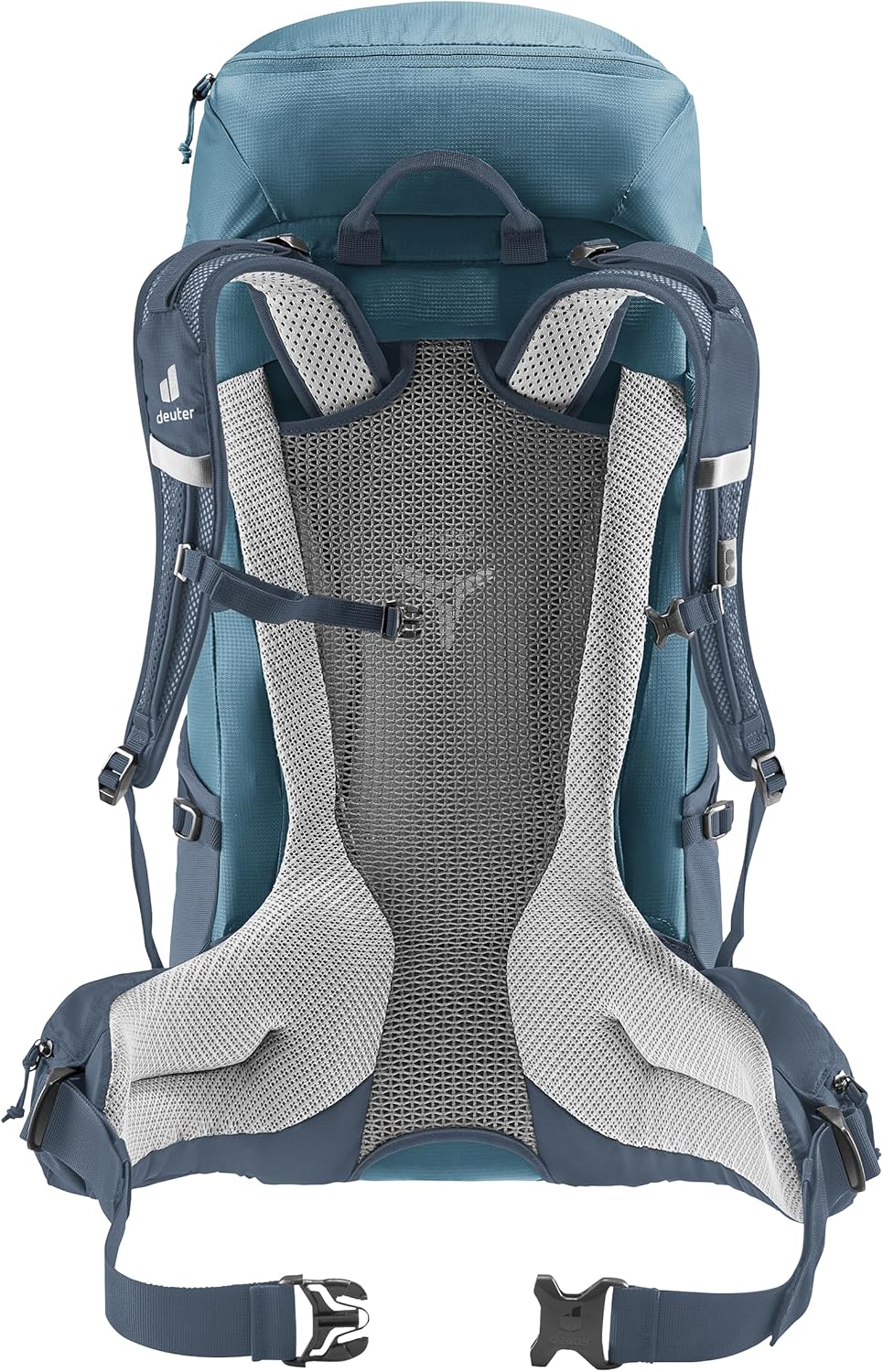
A sweaty back is the most common complaint with framed packs in warm weather. Contact style panels with foam ridges and channels breathe reasonably and keep the load close, which helps on scrambly terrain. Trampoline style mesh panels move a lot more air and stay noticeably drier on hot climbs, at the cost of pushing the center of gravity slightly rearward.
Climate should drive the choice more than preference. Humid summer trails favor suspended mesh. Cold weather trips, technical terrain, and heavier loads favor a close contact panel. If you hike year round, ventilation is a reasonable thing to compromise on for the sake of stability.
Access, Organization, and Rain Protection

Top loading packs are lighter and stronger because there are fewer zippers to fail, but digging for something at the bottom means unpacking. A sleeping bag compartment with a removable divider, a front panel zipper, or side access zippers all solve that in different ways. Sleeping bag compartments are especially useful because they keep your bulkiest soft item at the bottom where it belongs.
Also look at hydration compatibility, hipbelt pockets big enough for a phone and snacks, dual side pockets that a full bottle actually fits into, and trekking pole attachments. An included rain cover is a genuine value add, since packs are water resistant at best and seam sealed almost never. Several picks below ship with one, which is worth noting when comparing options that otherwise look similar on paper.
Durability comes down to fabric denier and hardware. Ripstop nylon in the 210D to 600D range covers most recreational use, with high wear zones such as the base and side pockets benefiting from the heavier end. Metal buckles on the hipbelt, bar tacked stress points, and a warranty you can actually claim matter more over years than any single feature on the spec sheet.
| Pack | Typical Capacity | Frame Style | Best Suited To |
|---|---|---|---|
| Teton Explorer 4000 | 65L | Aluminum stays, adjustable torso | Week long trips and heavier loads |
| Amazon Basics Internal Frame | 65L to 75L | Internal frame with adjustable harness | First backpacking pack on a budget |
| Kelty Coyote | 60L to 65L | Perimeter frame, tunable suspension | Long hauls and adjustable fit |
| Teton Scout 3400 | 55L | Aluminum stays, adjustable torso | Two to four night trips |
| MOUNTAINTOP 70L | 70L | Internal frame, ventilated panel | Bulky loads and extended trips |
| Loowoko 50L | 45L plus 5L | Lightweight internal support | Weekends and travel |
| Deuter Futura 32 | 32L | Suspended mesh, spring steel frame | Big day hikes in warm weather |
| Maelstrom 40L | 40L | Framed daypack suspension | Overnights and long day trips |
Use the table as a shortlist filter rather than a verdict. Trip length and torso fit eliminate most options quickly, and whatever survives that filter is likely to serve you well. Readers who travel as much as they hike often end up comparing a mid size pack against a proper case, and our roundup of the best carry on luggage is a useful companion for that decision.
Why You Should Trust Us
We build these roundups from evidence that already exists at scale. Our starting pool is drawn from current listings that clear a minimum rating threshold and a meaningful volume of verified owner reviews, so a product with a handful of glowing comments never outranks one carrying thousands of consistent ones. From there we read what long term owners say about the things that only show up after months of use: hipbelt padding compressing, zipper pulls failing, stitching at the load lifters, and how the adjustable harness holds its setting.
We then curate rather than pad. Near identical color and size variants of the same model get collapsed into one entry, frameless daypacks that surfaced in the same search were removed because they do not belong in a framed pack comparison, and anything with a pattern of complaints about fit or frame flex was left out. What remains is a list we would hand to a friend, not a list built to hit a round number. We never claim hands on trail time we did not have, and every specification cited here comes from the manufacturer or from consistent owner reporting. Our full library of comparisons lives in the articles section.
Final Thoughts
The best overall pick is the Teton Explorer 4000 65L Internal Frame Backpack. It combines an adjustable torso, aluminum stay suspension that genuinely loads the hips, a sleeping bag compartment, and an included rain cover, which is a rare combination at its level. It is the pack most people can grow into rather than out of, and its rating record across thousands of owners is the steadiest in this group.
The best value is the Amazon Basics Internal Frame Hiking Backpack. It gives a beginner an adjustable harness, a real internal frame, and a rainfly for a fraction of what a specialist brand asks, which makes it the sensible way to find out whether backpacking is going to stick before spending more. If you want a lighter framed pack for two to four nights, the Teton Scout 3400 is the natural step down in volume, while the Kelty Coyote is the pick for people who want a tunable suspension and expect to carry awkward or heavy loads.
For use case specific choices, the MOUNTAINTOP 70L is the one to take when volume matters most, the Loowoko 50L is the easiest to live with for weekend trips and travel, the Deuter Futura 32 is the best hot weather option thanks to its suspended mesh back, and the Maelstrom 40L bridges the gap between a big daypack and a small overnight bag. Whichever you choose, measure your torso first and load it properly. Once the pack is dialed in, the rest of your kit is worth the same attention, from footwear to a reliable portable charger for multi day navigation.
Frequently Asked Questions
Are internal frame packs better than external frame packs in 2026?
For nearly all trail use, yes. Internal frames sit closer to your body, so the load moves with you on uneven ground instead of swaying behind you. External frames still have a niche for carrying very heavy or oddly shaped loads on flat terrain, and they ventilate beautifully, but they are unstable on scrambles and awkward in brush. Every pack on this list uses an internal frame for that reason.
What size internal frame hiking backpacks do I need for a weekend trip?
For one or two nights in mild weather, 40 to 50 liters is usually plenty if your sleeping bag and pad pack down reasonably. Move up to 55 or 65 liters if you carry a bulky synthetic bag, cook for two people, hike in cold conditions, or prefer not to strap gear to the outside. Compression straps let a larger pack carry a smaller load acceptably, so err slightly large only if one pack has to cover every trip.
How much weight should an internal frame backpack carry?
A common guideline is to keep a loaded backpacking pack at or under 20 percent of your body weight, and a day pack under about 10 percent. Budget internal frames generally handle 30 to 40 pounds comfortably, while packs with full aluminum stays and a stiffer hipbelt manage more. Packing order matters as much as the number: dense items go close to your spine at mid back height, the sleeping bag at the bottom, and light bulky items up top.
Do I need a rain cover if the pack is water resistant?
Yes. Water resistant coatings shed light drizzle but soak through in sustained rain, and zippers and seams leak long before the fabric does. Several picks here include a cover, which saves you a separate purchase. Many experienced hikers still line the inside with a heavy duty bag as a second layer, since a cover alone will not stop water running down your back into the main compartment.
How do I care for a hiking backpack so it lasts?
Empty every pocket, shake out debris, and sponge clean with lukewarm water and mild soap rather than putting it in a washing machine, which can strip coatings and damage the frame. Air dry it fully before storage, and store it loosely packed in a dry place instead of compressed. Lubricate sticky zippers with a dry lubricant and check hipbelt and load lifter stitching at the start of each season. If you track your mileage and effort, our guide to the best fitness trackers pairs well with a regular hiking routine.


Write Your Review
No reviews yet. Be the first to share your experience!