

Casting a 1/16 oz jig on a standard baitcaster usually ends in a bird’s nest, because a deep, heavy spool simply will not spin up for a featherweight payload. That is the exact problem the bait finesse system (BFS) movement solved, and in September 2026 the options for anyone shopping for a baitcaster for light lures are deeper and more affordable than ever. Our top pick is the Shimano Curado BFS for its finely tuned FTB brake and shallow spool that turn tiny jigs, Ned rigs, and micro crankbaits into long, backlash-free casts.
Below you will find 8 reels from SHIMANO CURADO, KastKing Zephyr, KastKing Spartacus and more, spanning everything from bargain starter casters to a flagship JDM import. Every pick earns its spot for a specific angler and budget: some are true BFS machines with ultra-shallow spools, others are featherweight all-rounders that shine on the heavier end of the light-lure spectrum. If you are building out the rest of your kit while you are here, our sports and outdoors section covers far more than reels.
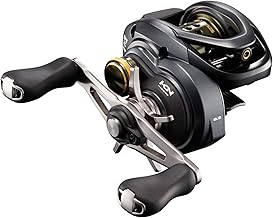
Pros
- FTB brake and ultra-shallow spool cast sub-1/8 oz lures with ease
- Shimano build quality with tight, durable tolerances
- Consistent, controllable casts even in wind
- Low-profile body palms comfortably for long sessions
Cons
- Costs considerably more than budget BFS reels
- Shallow spool means more frequent respooling
- No drag clicker for anglers who want audible feedback
The Curado BFS is what happens when a mainstream reel maker takes bait finesse seriously. Shimano took its dependable Curado platform and rebuilt the casting side around a shallow finesse spool and the FTB brake system, which relocates the magnetic braking unit off the spool itself. The result is a spool with so little rotating mass that lures most baitcasters cannot move at all sail off like they were shot from a spinning setup.
In practice, the reel shines with the baits that define light-lure fishing: small jerkbaits, Ned rigs, hair jigs, and compact cranks. The brake dial covers a wide, usable range, so switching from an open bank cast to skipping under limbs takes a few clicks rather than a re-rig. The 8.1:1 XG gearing recovers line quickly, which matters when a fish eats on slack line near the end of a long cast.
The compromises are honest ones. It weighs a bit more than boutique finesse reels because the body is built to Curado durability standards, and the shallow spool trades line capacity for casting performance, which is the whole point of BFS. There is also no clicking drag, a feature some finesse anglers love on budget rivals.
Bottom line: this is the reel we would hand to anyone who wants light-lure casting to simply work, cast after cast, season after season. It earns the Best Overall spot on refinement and reliability rather than gimmicks.
- Braking: FTB (Finesse Tune Brake) magnetic system with external dial
- Spool: ultra-shallow 32 mm finesse spool
- Gear ratio: 8.1:1 (XG, extra high gear)
- Weight: approximately 7.4 oz
- Retrieve: left-hand model (right-hand version also listed on Amazon)
- Intended use: freshwater finesse, lures roughly 1/16 to 3/8 oz
- Suggested line: 6 to 10 lb fluorocarbon or thin braid with leader
This reel suits anglers who already own a general-purpose baitcaster and keep running into its floor: the jig that will not cast, the skipped bait that backlashes, the finesse presentation that forces a switch to spinning gear. If you fish pressured water where downsizing gets bites, the Curado BFS lets you stay with casting gear and its superior accuracy.
It is also the right pick for anyone who wants one finesse reel to last many seasons. Anglers on a tight budget or those simply curious about BFS may be happier starting with the KastKing Zephyr and upgrading later.
Start with the spool tension knob backed off until the spool has just a hint of side play removed, then set the external brake dial around its middle position. Make a dozen easy lob casts with your usual lure, stepping the brake down one notch at a time until the spool just starts to overrun at the end of the cast, then go back up one notch.
Re-check the dial whenever you change lure weight or cast into wind. With the FTB system the adjustments feel gradual rather than abrupt, so small changes are enough. Most owners settle into one or two favorite settings per lure class within a single outing.

Pros
- True BFS shallow spool at a budget-friendly price
- Light 5.6 oz carbon composite body
- Drag clicker version gives audible feedback when a fish runs
- Magnetic brake is simple to adjust on the water
Cons
- Stock bearings are decent rather than exceptional
- Light drag ceiling is not suited to heavy cover tactics
The Zephyr is the reel that made bait finesse accessible to anglers who could not justify importing Japanese gear. It is built around exactly the right priorities: a genuinely shallow spool, a light carbon body, and a magnetic brake with enough range to cover micro jigs through small crankbaits. This drag clicker version adds the audible drag that finesse anglers love when light line is peeling off against a good fish.
Casting performance is the headline. With 6 or 8 lb line and a soft lob, the Zephyr comfortably handles baits around 1/16 oz, and it gets even happier in the 1/8 to 1/4 oz range where most finesse fishing actually happens. The 7.2:1 retrieve is quick enough for jerkbait work without racing past a slow crank presentation.
Kept honest, this is still a budget reel. The bearings are fine rather than sublime, and hardcore BFS tinkerers often upgrade them eventually. The drag is smooth at the light settings that matter, but this is not the tool for winching fish out of timber.
Bottom line: no other reel in this guide delivers as much finesse capability per dollar of restraint, which is exactly why it takes the Best Value slot.
- Weight: 5.6 oz
- Frame: carbon fiber composite
- Gear ratio: 7.2:1
- Braking: adjustable external magnetic brake
- Drag: carbon washer stack with audible clicker (this version)
- Spool: shallow bait finesse design
- Best lure window: roughly 1/16 to 1/4 oz
If you have never fished a bait finesse reel, the Zephyr is the sensible first step. The magnetic brake is forgiving while your thumb learns the rhythm of light-lure casting, and the price means a beginner mistake does not sting the way it would on a flagship reel.
It is equally at home as a dedicated creek and pond reel for experienced anglers: light enough for all-day wading, capable enough for bass, trout, and panfish on downsized baits.
Set the star drag so line pulls off with steady, moderate resistance well below the breaking strain of your line; with 6 lb fluorocarbon that means erring light. The clicker then becomes your hearing aid: a slow tick means the fish is taking line under control, a fast buzz says loosen up or follow the fish.
The audible feedback is more than fun. On light line it helps you avoid the reflexive extra pressure that breaks fish off, because you can hear exactly when the drag is doing its job.

Pros
- Casts true micro lures down to 1/32 oz
- Among the lightest baitcasters in its class
- Smooth 11+1 double-shielded bearing system
- Available in 8.4:1 or 7.5:1 gear ratios
Cons
- Premium price for the KastKing lineup
- Petite frame can feel cramped in very large hands
- Minimal line capacity limits it to dedicated finesse duty
The Kestrel Elite is KastKing chasing the deep end of bait finesse, and mostly catching it. Where the Zephyr is a value generalist, the Kestrel Elite is a specialist: its spool and brake tuning are aimed at the 1/32 to 1/8 oz window that even many BFS reels only flirt with. Micro jigs, single-hook spoons, and tiny plugs cast with a flatness and ease that feels unreal the first time.
The drivetrain deserves its billing. Eleven double-shielded bearings plus one anti-reverse make the crank feel expensive, and both available ratios are fast enough to manage slack-heavy techniques. The reel is also seriously light, which matters more here than anywhere else since ultra-finesse anglers tend to make the most casts per day of anyone.
The trade-offs are inherent to the mission. Line capacity is minimal, the small frame will not suit every grip, and the price overlaps entry-level offerings from the Japanese giants, which makes the buying decision genuinely interesting.
Bottom line: if your definition of light lures starts where everyone else's ends, this is the KastKing to buy.
- Lure rating: casts down to 1/32 oz
- Bearings: 11+1 double-shielded stainless
- Gear ratio options: 8.4:1 or 7.5:1
- Weight: under 5 oz
- Braking: externally adjustable finesse magnetic system
- Best suited line: 4 to 8 lb fluorocarbon or fine braid
Think of the presentations that normally force spinning gear: 1/32 oz marabou jigs for winter trout, micro tubes for river smallmouth, tiny underspins when shad fry are everywhere. The Kestrel Elite keeps those baits on casting gear, which means better accuracy on target-rich banks and less line twist than a spinning reel delivers with light lures.
It also excels at skipping small baits under overhanging cover, where the combination of a fast ratio and a controllable spool turns a risky cast into a repeatable one.
Ultra-finesse tolerances reward gentle habits. Rinse the reel with a light freshwater mist after grimy or salty sessions, never a direct hose blast, and dry it before storage. Once a season, add a single drop of light reel oil to the spool bearings; over-oiling slows a finesse spool noticeably.
Check the tiny screws on the side plate occasionally since high-cast-count fishing vibrates hardware loose over time. Store it with the drag backed off to keep the carbon washers springy.

Pros
- Compact 39 mm low-profile body palms beautifully
- Strong 17.6 lb carbon fiber drag for its size
- Light 6 oz build for long sessions
- Smooth casting with 1/4 oz class lures
Cons
- Standard-depth spool struggles below roughly 3/16 oz
- Brake adjustments feel coarser than premium systems
The Spartacus II is not a true BFS reel, and it never claims to be. What it offers instead is an unusually light, unusually compact baitcaster that covers the top half of the light-lure range, roughly 3/16 oz upward, while costing less than a tank of gas. For a huge number of anglers, that is actually the smarter buy than a specialist finesse reel.
The 39 mm body disappears into your palm, which improves both comfort and accuracy, and the 6 oz weight makes an ultralight combo feel genuinely balanced. The star of the spec sheet is the 17.6 lb carbon drag, which is flagship-grade stopping power in a bargain reel; hook an unexpected river carp and you will appreciate the margin.
Its limits are predictable. The spool is standard depth, so true featherweight baits fall short and demand more thumb than a beginner will enjoy. The magnetic brake works fine but moves in bigger steps than the finesse-tuned systems higher up this list.
Bottom line: buy the Spartacus II if your light lures are light rather than micro, and you want maximum reel for minimum money.
- Weight: 6 oz
- Body: 39 mm palm-perfect low-profile design
- Drag: 17.6 lb carbon fiber stack
- Gear ratio: 7.2:1
- Braking: adjustable magnetic system
- Comfortable lure window: roughly 3/16 to 1/2 oz
This is the reel for the angler who throws 1/4 oz jigs, small spinnerbaits, and squarebills, wants a light and compact setup, but is not ready to dedicate a reel to micro baits. It is also a strong pick for younger anglers and smaller hands thanks to that shrunken body.
If most of your lures sit at 1/8 oz or below, skip ahead to the Zephyr or Kestrel Elite instead; the Spartacus II will frustrate you at those weights.
Deciding between the Spartacus II and the Zephyr comes down to your lure box. Count how many baits you throw under 1/8 oz: if the answer is many, the Zephyr's shallow spool earns its keep. If your box lives between 3/16 and 1/2 oz, the Spartacus II gives you a stronger drag and the same weight savings.
Spool it with 8 to 10 lb line for all-around duty. It also makes an excellent second reel to pair with a dedicated BFS setup, covering the weights a finesse spool handles less gracefully.
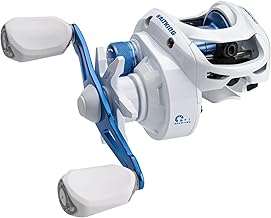
Pros
- Very affordable entry into baitcasting
- Light 7.6 oz build for its price class
- Forgiving magnetic brake for learners
- Compact frame suits smaller hands
Cons
- Glass-fiber nylon frame flexes under heavy load
- Not a true BFS spool, so micro lures are off the menu
- Basic 5+1 bearing count feels it on fast retrieves
The Centron Lite exists to answer one question: how cheaply can you get a genuinely usable baitcaster? Its glass-fiber infused nylon frame keeps cost and weight down, the magnetic brake keeps beginner backlashes survivable, and the compact shape keeps it comfortable. As a learning tool and a light-duty reel it succeeds completely.
Casting with 1/4 oz and heavier lures is drama-free, and careful anglers can push into the low-1/8 oz range once their thumb develops. The 7.1:1 retrieve is a sweet spot for the jigs, cranks, and soft plastics most people actually fish. At 7.6 oz it is light for its price bracket even though it is the heaviest reel in this guide.
The compromises are what you would expect. The frame flexes if you lean into a big fish or a snag, the five bearings hum rather than glide, and the spool is standard depth. None of that matters much at this price, but it explains the gap to the reels above it.
Bottom line: the Centron Lite is the right first baitcaster for a curious beginner, and a fine glovebox spare for everyone else.
- Weight: 7.6 oz
- Frame: glass fiber infused nylon
- Bearings: 5+1 with anti-reverse
- Gear ratio: 7.1:1
- Braking: external magnetic dial
- Comfortable lure window: roughly 3/16 oz and up
If you have been fishing spinning gear and keep hearing about baitcaster accuracy, this is the cheapest credible way to find out what the fuss is about. The forgiving brake means your learning curve costs a few minutes of picking out loops rather than a pile of ruined line.
It also suits casual anglers who fish a handful of times a season and want a capable reel without thinking hard about it.
Spool it with inexpensive 10 lb monofilament while you learn; mono is cheap, forgiving, and easy to pick out when a backlash happens. Set the magnetic brake near maximum and the spool tension so your lure falls slowly when you disengage the reel, then loosen both gradually as your casts smooth out.
Practice in open water with a 3/8 oz weight before tying on lighter lures. Two short sessions of that groundwork make the whole light-lure journey easier.

Pros
- AutoMag dual braking makes backlashes rare
- Very light 5.5 oz body
- Fast 8.0:1 retrieve for slack-line techniques
- Smooth 11+1 stainless bearing drivetrain
Cons
- Conservative brake settings trade away some casting distance
- Dual system adds a little tuning complexity at first
The Royale Legend Pro attacks the light-lure problem from the control side. Instead of chasing the shallowest possible spool, KastKing fitted its AutoMag dual braking, which layers magnetic braking with an arch resistance control that manages the spool's behavior late in the cast, exactly when most backlashes are born. The practical effect is a reel that shrugs off gusts, sloppy lob casts, and inattention.
It is also legitimately light at 5.5 oz, with a fast 8.0:1 retrieve and a bearing count that makes the crank feel a class above its price. With lures from 1/8 oz upward it casts smoothly and quietly, and the 16 lb carbon drag means it moonlights happily as a general-purpose reel.
The cost of all that forgiveness is a slice of maximum distance; safety-first braking always leaves a little on the table, and experts who love a nearly free spool may find its ceiling conservative. Tuning both systems together also takes a session to internalize.
Bottom line: for anglers who fear the bird's nest more than they crave the last five yards, this is the most relaxing reel in the guide.
- Weight: 5.5 oz
- Braking: AutoMag dual system with arch resistance control
- Drag: 16 lb carbon fiber
- Gear ratio: 8.0:1
- Bearings: 11+1 stainless steel
- Comfortable lure window: roughly 1/8 to 1/2 oz
Traditional magnetic brakes apply a fixed resistance you choose before the cast. AutoMag layers on a component that responds to how the spool is actually behaving, clamping down during the danger zone at the end of the cast when the lure decelerates faster than the spool. That is the moment a human thumb usually intervenes, so the reel is effectively automating your thumb's job.
Set the external dial to the middle, make a few casts, and reduce braking until you find the edge. Most owners end up running less brake than they expected because the system catches the mistakes.
Pick the Legend Pro if backlashes are the reason you have avoided baitcasters, or if you fish windy, open water where even good thumbs get surprised. It is also a smart choice for anglers moving from the Centron Lite class upward who want lighter weight and better bearings without specialist pricing.
Dedicated micro-lure anglers should still look at the true BFS reels here, since the Legend Pro's strengths sit in the 1/8 oz and up range.

Pros
- Featherweight 4.7 oz full carbon build
- Two included spools cover finesse and everyday duty
- Huge stated lure window from about 1/64 to 3/4 oz
- Wide-range magnetic brake with fine adjustment steps
Cons
- Lesser-known brand with thinner warranty support
- Modest 8.8 lb maximum drag
- Unit-to-unit consistency is less proven than the big names
The HICC50 is the kind of product that makes the finesse niche fun: a tiny, 136 gram, full-carbon baitcaster from a small brand that undercuts the establishment while including two spools in the box. One spool is shallow for true bait finesse work, the other holds enough line for ordinary light-tackle duty, and swapping between them takes moments.
Fished side by side with famous names, it acquits itself surprisingly well. The magnetic brake adjusts across an unusually wide range in fine steps, the 10+1 bearings keep the crank smooth, and the claimed lure window stretching down to half a gram is believable for careful casters with the shallow spool fitted. At 4.7 oz it makes even dedicated finesse rods feel livelier.
The reasonable doubts are about the brand rather than the design. Support and spare parts depend mostly on the marketplace return window, drag tops out at a modest 8.8 lb, and long-term durability data is thinner than for Shimano or KastKing. For the price of admission, many anglers will find that trade acceptable.
Bottom line: the HICC50 is the enthusiast's wildcard, offering the widest capability spread per ounce and per dollar in this lineup.
- Weight: 4.7 oz (136 g)
- Construction: full carbon body
- Spools: two included, shallow finesse plus standard
- Bearings: 10+1 double-shielded
- Gear ratio options: 7.1:1 or 8.1:1
- Drag: up to 8.8 lb (4 kg)
- Stated lure rating: roughly 0.5 g to 20 g
- Rated for freshwater and saltwater
Treat the two spools as two different reels. Load the shallow spool with 6 lb fluorocarbon or fine braid and reserve it for baits under 1/8 oz; load the standard spool with 8 to 10 lb line for jigs, small cranks, and general duty. Label them or use different line colors so you can tell at a glance which is fitted.
Swap spools at home rather than streamside when possible, and give the exposed bearing surfaces a quick wipe during changes. The swap takes under a minute and effectively doubles what the reel can do.
Carbon bodies shrug off corrosion, but the internals still deserve a freshwater rinse and full dry after any saltwater trip, since the saltwater rating protects the frame more than the bearings. Oil the spool bearings sparingly, one drop at most, and keep grease away from the brake magnets.
Because small-brand spare parts can be hard to source, avoid forcing any stuck component; a gentle approach and a photo of the parts diagram before disassembly will save headaches later.

Pros
- Flagship magnesium build around 4.6 oz
- Effortless casting with true micro lures
- Ultra-refined FTB braking with silky control
- JDM pedigree prized by finesse enthusiasts
Cons
- Import listing, so US warranty support is unclear
- Costs several times more than budget finesse reels
- High-gear-only listing limits ratio choice
The 22 Aldebaran BFS is what the bait finesse system looks like with no cost ceiling. The magnesium frame brings the whole reel in around 130 grams, the finesse spool and FTB braking are Shimano's most refined implementation, and every surface feels machined rather than manufactured. This listing ships the 2022 Japanese-market model, high-gear left-hand retrieve, direct from Japan.
On the water it does everything the Curado BFS does with an extra layer of ease. Micro plugs and jigs fly farther with less brake, casts feel eerily quiet, and the reel simply vanishes on a good rod. Enthusiasts who fish hundreds of finesse casts a day are the people who will feel the difference and consider it worth every penny.
The caveats are practical rather than mechanical. As a JDM import, service and warranty inside the US typically mean specialist shops rather than Shimano's domestic network, and the price lands in impulse-proof territory. Owner feedback here trails its siblings slightly, mostly reflecting import logistics rather than the reel itself.
Bottom line: nobody needs an Aldebaran BFS, which is precisely its charm. It is the upgrade for anglers who already know BFS is their thing.
- Model: 2022 Japanese domestic market (JDM) Aldebaran BFS
- Body: magnesium frame, approximately 130 g (4.6 oz)
- Braking: Shimano FTB finesse magnetic system
- Retrieve: HG (high gear), left-hand version in this listing
- Spool: ultra-shallow finesse design
- Ships from Japan via the marketplace seller
Japanese domestic market reels like this one are built for Japan's enormous finesse fishing scene and often reach other markets only through exporters. Expect Japanese-language packaging and paperwork, and plan on independent reel technicians rather than official channels for any future service.
Delivery usually takes longer than domestic orders, so factor that in before a trip. None of this affects how the reel fishes; it is simply the reality of buying gear the US catalog does not offer.
This reel is for the angler who has already worn out a budget BFS reel, knows exactly which techniques they fish, and wants the ceiling raised. It rewards experienced thumbs with casting performance the rest of this list approaches but does not match.
If you are still deciding whether bait finesse suits you, start with the Zephyr or Curado BFS; the Aldebaran will still be here, and still be wonderful, when you are sure.
How to Choose a Baitcaster for Light Lures
Light-lure casting is a physics problem before it is a fishing problem. A lure under 1/4 oz carries very little momentum, so the reel has to do the work: the spool must start spinning with almost no resistance, the brakes must tame the spool at the end of the cast, and the whole package must be light enough to fish one-handed all day. Here is a quick side-by-side of our picks, followed by the criteria that matter most.
| Reel | Weight | Gear Ratio | Best For |
|---|---|---|---|
| Shimano Curado BFS | Approx. 7.4 oz | 8.1:1 (XG) | Best overall BFS performance |
| KastKing Zephyr BFS | 5.6 oz | 7.2:1 | Budget BFS value |
| KastKing Kestrel Elite | Under 5 oz | 8.4:1 or 7.5:1 | Ultra-finesse lures down to 1/32 oz |
| KastKing Spartacus II | 6 oz | 7.2:1 | Light-lure all-rounder on a budget |
| KastKing Centron Lite | 7.6 oz | 7.1:1 | First baitcaster for new anglers |
| KastKing Royale Legend Pro | 5.5 oz | 8.0:1 | Nearly backlash-free casting |
| DOVIELLO HICC50 | 4.7 oz | 7.1:1 or 8.1:1 | Two-spool versatility |
| Shimano 22 Aldebaran BFS | Approx. 4.6 oz | HG (high gear) | Flagship JDM upgrade |
Spool Design: Why Shallow and Light Wins
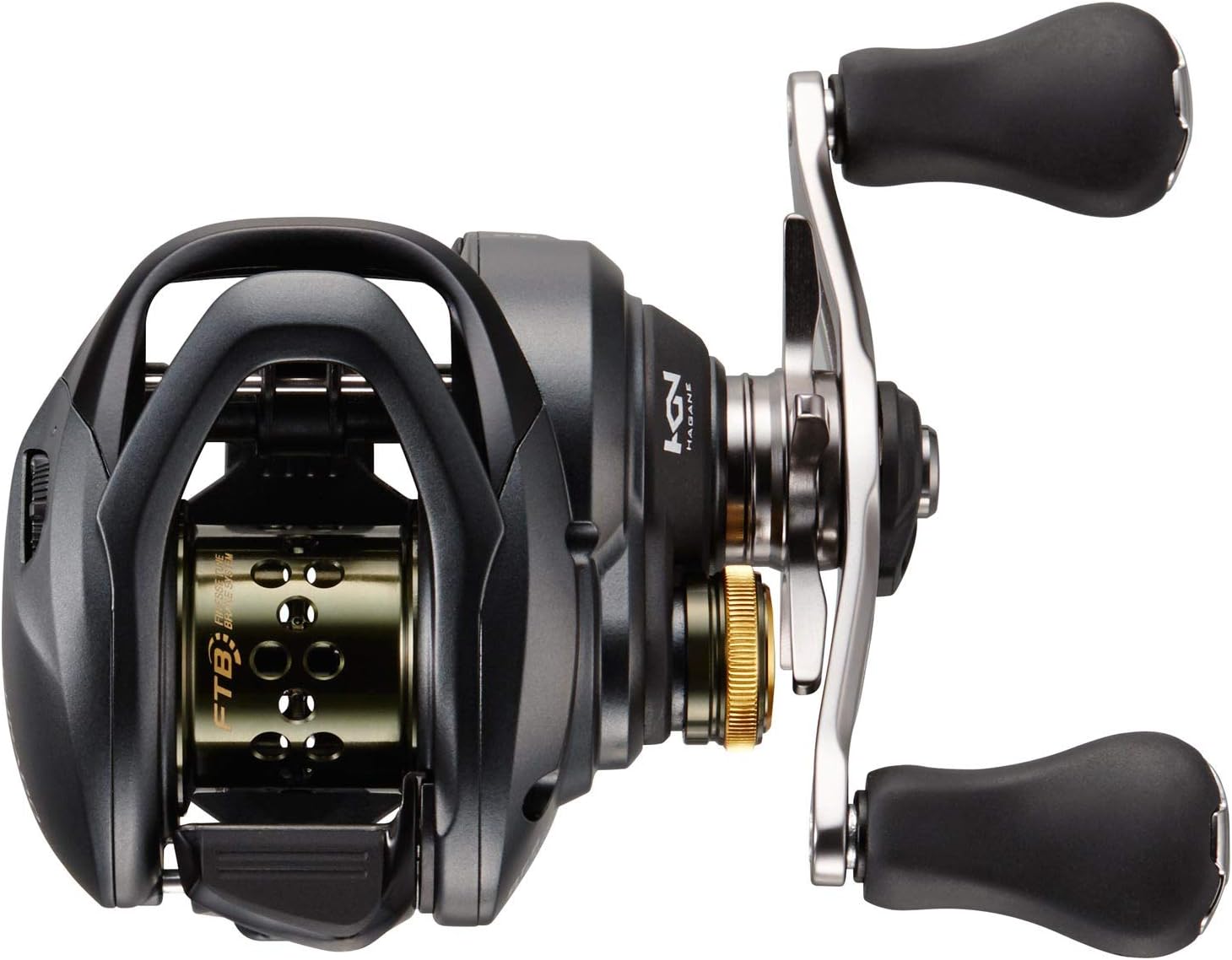
The spool is the single biggest difference between a true finesse baitcaster and a regular one. A standard spool is deep, holds a lot of line, and weighs enough that a 2 gram lure cannot get it moving. BFS spools flip that formula: they are shallow, thin-walled, and often drilled or skeletonized to shave every fraction of a gram. Less rotating mass means the spool spins up instantly, which is what lets a tiny jerkbait or hair jig actually fly instead of stalling a rod length away.
The Shimano Curado BFS and 22 Aldebaran BFS both use ultra-shallow finesse spools designed around this idea, and the KastKing Kestrel Elite pushes it far enough to handle lures down to 1/32 oz. The DOVIELLO HICC50 takes a clever middle path by shipping with two spools, one shallow for finesse work and one deeper for everyday duty. If you see a reel marketed for light lures with a full-depth spool and no finesse claim, treat it as a light all-rounder rather than a true BFS reel.
Braking Systems: Magnetic, FTB, and Dual Setups
Brakes are what stand between you and a backlash, and they matter twice as much with light lures because the spool can easily outrun a slow-moving bait. Most finesse reels rely on magnetic brakes, which apply smooth, consistent resistance and are easy to adjust with an external dial. The KastKing Zephyr and DOVIELLO HICC50 both follow this route, and the HICC50 offers an unusually wide range of adjustment for dialing in windy days.
Shimano takes it a step further with its FTB (Finesse Tune Brake) system on the Curado BFS and Aldebaran BFS, which moves the magnet assembly off the spool entirely to cut rotating weight even more. On the other end, the KastKing Royale Legend Pro pairs magnetic and anti-arch braking in its AutoMag system, a forgiving setup that suits anglers who would rather fish than fiddle. As a rule, buy more brake adjustability than you think you need; you can always back it off as your thumb gets educated.
One more dial deserves attention: the spool tension knob. On a finesse reel it should be set nearly free, just tight enough to remove side play, with the brakes doing the real work. If a reel needs heavy tension to stay controllable, that is a sign its spool is too heavy for the lures you are throwing.
Reel Weight, Balance, and Ergonomics

Finesse fishing is a high-repetition game. You might make several hundred casts in a session, so a few ounces of reel weight makes a real difference by the afternoon. The sweet spot for a light-lure baitcaster sits between roughly 4.5 and 7.5 oz. The DOVIELLO HICC50 at 4.7 oz and the Aldebaran BFS at around 4.6 oz are the featherweights here, while the Curado BFS carries a bit more heft in exchange for its metal body and durability.
Balance matters as much as raw weight. A low-profile frame that palms comfortably, like the 39 mm body on the KastKing Spartacus II, keeps your grip relaxed and your casts accurate. Pay attention to handle length too: shorter handles with small knobs give better feel for light bites, while longer handles add cranking power you mostly will not need at this lure class.
Gear Ratio and Retrieve Speed
Gear ratio tells you how many times the spool turns per handle revolution, and for light lures the popular range runs from about 7.1:1 to 8.4:1. A faster ratio like the 8.1:1 on the Curado BFS XG or the 8.4:1 option on the Kestrel Elite picks up slack line quickly, which is valuable when you are skipping small baits under docks or working a jerkbait with lots of slack between twitches.
Slower is not wrong, though. A 7.1:1 or 7.2:1 reel like the Zephyr or Centron Lite retrieves a touch more deliberately, which helps keep micro crankbaits and inline spinners in the strike zone longer. If you fish a bit of everything, split the difference or pick the reel that offers two ratio options and choose based on your most common technique.
Line Choice, Capacity, and Drag
Light-lure reels are built around light line: 6 to 10 lb fluorocarbon or monofilament, or 10 to 15 lb braid with a leader. Shallow BFS spools hold less line by design, which is a feature rather than a flaw, since a half-filled deep spool casts worse and wastes line. Expect to respool a little more often and think of it as cheap insurance for casting performance.
Drag numbers on finesse reels look modest on paper, and that is fine. Even the 8.8 lb maximum on the HICC50 is far more than 6 lb line can safely load, and the Spartacus II carries a 17.6 lb carbon fiber drag that is frankly overkill for this class. Smoothness at low settings matters more than peak numbers, because light wire hooks tear free when the drag stutters. Speaking of light wire hardware, a good set from our split ring pliers roundup makes swapping trebles on small lures far less fiddly.
Pairing the Reel with the Right Rod
A finesse reel on a stiff, heavy rod wastes most of its advantage. Light lures load the rod on the cast, so you want a blank rated for the lure weights you actually throw, typically an ultralight to medium-light casting rod in the 6 to 7 foot range with a moderate or extra-fast tip depending on technique. The rod flings the bait; the reel just has to let it go cleanly.
Balance the pair in your hand before committing. A 4.7 oz reel like the HICC50 can make a heavier rod feel tip-heavy, while the slightly heavier Curado BFS balances beautifully on mid-weight blanks. If you fish from kayaks or brushy banks, shorter rods around 6 feet make roll casts and skips easier, and the fast reels in this list will happily pick up the slack those casts create.
Build Quality and Long-Term Durability

Materials tell you where a reel sits in its lineup. Glass-reinforced nylon frames like the one on the Centron Lite keep cost and weight down but flex under heavy load, carbon composite bodies like the Zephyr’s balance stiffness and price, and metal or magnesium frames like those on the two Shimano reels hold their tolerances for years of hard use. Bearings follow a similar logic: shielded stainless bearings resist grit and rinse clean easily after a rainy bank session.
Also consider parts and service. Shimano has a deep service network and spare parts supply, KastKing covers its reels with responsive support at budget prices, while lesser-known imports like the HICC50 lean on the marketplace return window more than a traditional warranty. None of that matters for a fair-weather angler, but if a reel will live in truck heat and boat spray, buy the better body.
Why You Should Trust Us
We build every roundup the same way: start with the full field of reels available in the category, cut anything with a weak satisfaction record, then compare what remains on manufacturer specifications, verified owner feedback gathered over months of real fishing, and how each maker handles support. For this guide we prioritized spool design, braking control, and finished weight, because those three factors decide whether a light lure actually casts or just plops.
We do not accept payment for placement, and no brand saw this list before publication. Our picks change when the market does, so if a newer reel outclasses one of these, the lineup gets updated.
Final Thoughts
If you want the short version: the Shimano Curado BFS is the best overall baitcaster for light lures, with the brake sophistication and build quality to make sub-1/8 oz baits feel routine. The KastKing Zephyr BFS is the best value, delivering a genuine bait finesse experience with an audible drag clicker at a price that leaves money for line and lures.
Beyond those two, match the reel to your style. The Kestrel Elite is the pick for true micro-lure obsessives, the Centron Lite is a painless first baitcaster, the Royale Legend Pro suits anyone who fears backlashes more than anything swimming, and the 22 Aldebaran BFS is the heirloom-grade upgrade for anglers who already know they love BFS. The HICC50 with its two spools is the tinkerer’s choice.
Whichever you choose, pair it with a light rod, spool it with fresh line, and give your thumb a weekend to calibrate. For day-trip creature comforts, our soft cooler picks keep drinks cold on the bank, and you can browse all our current buying guides over at the articles hub.
Frequently Asked Questions
What is the best baitcaster for light lures in 2026?
The Shimano Curado BFS is our best overall pick in 2026 thanks to its FTB braking system, ultra-shallow spool, and Shimano build quality. If you want most of that casting ability at a fraction of the cost, the KastKing Zephyr BFS is the value alternative.
What makes a baitcasting reel good for light lures?
Three things: a shallow, lightweight spool that spins up with minimal force, a refined braking system that prevents overrun at the end of the cast, and a light overall body that keeps hundreds of casts per day comfortable. A reel missing the shallow spool will struggle below 1/4 oz no matter how good its brakes are.
Can a regular baitcaster cast 1/16 oz lures?
Generally no. A standard deep spool carries too much rotating mass for a 1/16 oz lure to accelerate, so casts fall short and backlashes multiply. That weight class is exactly what BFS reels like the Kestrel Elite and Curado BFS were designed for, and it is worth stepping up to one if micro lures are your plan.
What line works best on a BFS baitcaster?
Most anglers run 6 to 10 lb fluorocarbon for its low stretch and abrasion resistance, or a thin braid with a fluorocarbon leader for maximum casting distance. Keep the spool filled to the recommended level rather than to the brim; overfilling a finesse spool hurts both distance and control. You can find more gear guides across all our categories.
Are budget BFS reels worth buying in 2026?
Yes, and 2026 is arguably the best time yet. Reels like the Zephyr, Spartacus II, and HICC50 now deliver shallow spools, quality bearings, and adjustable magnetic brakes at prices that were unthinkable for finesse gear a decade ago. A flagship still casts lighter lures a little farther and lasts longer, but the budget tier has closed most of the gap for everyday fishing.
Write Your Review
No reviews yet. Be the first to share your experience!