

Not every jar labeled “peanut butter” fits into a lower-calorie, higher-protein eating plan the same way. Some are powdered and stripped of most of the fat, some are whole-nut spreads with no added sugar or salt, and some are just standard creamy peanut butter with a marketing label attached. This guide compares 6 real options for peanut butter for weight loss side by side on the numbers that actually matter: protein per serving, added sugar, and calories, so you can see what you are getting before you buy.
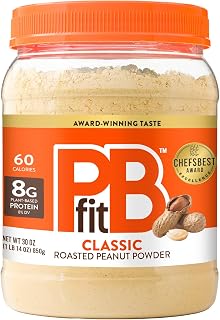
Our top pick is the PBfit Classic Peanut Butter Powder for its combination of 8 grams of protein and 87% less fat than traditional peanut butter at only 60 calories per serving. Every product on this list was checked against its own nutrition label, not just its front-of-package claims, and every pick had to be a genuine peanut butter or peanut butter powder rather than a loosely related snack. For a deeper look at how we evaluate protein-forward pantry staples, see our protein bar picks as well.
Pros
- 8g of protein per serving at only 60 calories
- 87% less fat than traditional peanut butter
- Mixes easily into shakes, oatmeal, and baking
- Gluten-free formula
- Large 30-ounce size lasts through many servings
Cons
- Powder needs water to reconstitute, not spreadable straight from the jar
- Milder flavor than traditional whole peanut butter
PBfit Classic Peanut Butter Powder is made by pressing most of the natural oil out of real roasted peanuts, then grinding what remains into a fine powder. The result is a product that delivers 8 grams of protein at just 60 calories per two-tablespoon serving, compared to roughly 190 calories in the same serving of traditional whole peanut butter.
The powder mixes cleanly into water to form a spread, or straight into shakes, oatmeal, and yogurt without needing to stir past any oil separation, which is a common frustration with natural whole peanut butters. It is gluten-free and made without added sugar.
Flavor-wise, it tastes recognizably like peanut butter but is milder and less rich than a whole-nut spread, since most of the fat that carries flavor has been removed. Reviewers frequently note it works best blended into other foods rather than eaten plain by the spoonful.
Bottom line: for anyone tracking calories and protein, this is the most well-reviewed powdered peanut butter option on the market, and the 30-ounce size means it lasts through months of regular use.
- Format: Powder, mixes with water
- Serving size: 2 Tbsp (12g powder)
- Protein: 8g per serving
- Calories: 60 per serving
- Fat: 87% less than traditional peanut butter
- Size: 30 oz
- Diet labels: Gluten-free
Whisk 2 tablespoons of powder with about 1 to 1.5 tablespoons of water to form a spreadable consistency, adjusting water for a thicker or thinner texture. It can also be added dry directly to smoothies, overnight oats, pancake batter, or homemade energy bites without needing to reconstitute it first.
Best suited for people who regularly build protein shakes, oatmeal bowls, or baked goods and want a lower-calorie peanut butter flavor without the added fat of a whole-nut spread. It is less suited for anyone who specifically wants a thick, oily, spreadable peanut butter straight out of the jar.

Pros
- 90% less fat than regular peanut butter
- Only 60 calories per serving
- Fits low-carb and ketogenic meal plans
- Budget-friendly cost per ounce
- Long shelf life as a powder
Cons
- Lower protein per serving (6g) than some competitors
- Needs mixing with water before use
PB2 Original Powdered Peanut Butter is one of the longest-running names in the powdered peanut butter category. Each serving provides 6 grams of protein at 60 calories, with about 90% less fat than a standard jar of whole peanut butter.
It is certified gluten-free and works well stirred into protein shakes, smoothies, or low-carb baking recipes where a full-fat peanut butter would add more calories than needed. The flavor is peanut-forward but noticeably lighter than a whole-nut spread.
Compared to other powders on this list, PB2 tends to sell at a lower cost per ounce, which makes it an easy staple to keep stocked for regular use without a large pantry budget.
Bottom line: PB2 is a reliable, budget-friendly powder pick for anyone who wants the calorie and fat savings of a peanut butter powder without paying a premium price.
- Format: Powder, mixes with water
- Serving size: 2 Tbsp (12g powder)
- Protein: 6g per serving
- Calories: 60 per serving
- Fat: 90% less than traditional peanut butter
- Size: 32 oz
- Diet labels: Gluten-free, low-carb friendly
A good fit for anyone following a low-carb or ketogenic eating plan who still wants peanut butter flavor in shakes and recipes, and for shoppers who want a powdered option at a lower price point than premium brands.
Store the container tightly sealed in a cool, dry pantry away from direct sunlight. As with any peanut product, it is manufactured in a facility that processes peanuts and tree nuts, so those with allergies should check the label directly before use.

Pros
- No added sugar or salt in the ingredient list
- Made from 100% roasted peanuts
- High protein content per serving
- Smooth, spreadable texture, not a powder
- Plant-based and gluten-free
Cons
- Unsweetened flavor is more neutral than sweetened brands
- Average rating (4.3) is lower than the powdered picks on this list
ALPINO Peanut Butter Smooth is a whole-nut peanut butter made from 100% roasted peanuts with nothing added for sweetness or salt. Unlike the powdered options on this list, it keeps the full oil content of the peanuts, which gives it a traditional creamy, spreadable texture.
Because there is no added sugar or salt, the flavor is more neutral and less sweet than mainstream brands like Jif or Skippy, which some shoppers prefer for a cleaner peanut taste. It carries a real protein count per serving, though it is denser in calories than a powder since none of the natural fat has been removed.
It is plant-based and gluten-free, and the ingredient label is short enough to read in a few seconds: peanuts, with no hidden sweeteners or preservatives.
Bottom line: this is the pick for anyone who wants a genuinely spreadable, no-added-sugar peanut butter rather than a powder, and is comfortable with a higher calorie count in exchange for that texture.
- Format: Whole-nut butter, spreadable
- Ingredients: 100% roasted peanuts
- Added sugar: None
- Added salt: None
- Diet labels: Gluten-free, plant-based, vegan
Choose this option if a traditional spreadable texture matters more than the lowest possible calorie count, or if avoiding added sugar and salt is the top priority. Shoppers who specifically want the lowest-calorie option on this list should look at the powdered picks instead.
Use it exactly as you would any jarred peanut butter: spread on toast or fruit, stir into oatmeal, or use as a base for sauces and dressings. Stir before first use if any natural oil separation has occurred, which is normal for a whole-nut butter with no added stabilizers.

Pros
- Single ingredient: roasted peanuts only
- No added salt, sugar, or preservatives
- Roughly 75% fewer calories than traditional peanut butter per serving
- 76 servings in a bulk 2 lb bag
- Vegan-friendly
Cons
- Plain flavor with nothing to offset the natural peanut taste
- Powder must be reconstituted, unlike ready-to-spread butter
NAKED PB from Naked Nutrition is built around a single ingredient: slow-roasted, US-grown peanuts, pressed to remove most of the natural oil and ground into a fine powder. There are no additives, no salt, and no sugar anywhere on the label.
Each scoop provides about 7 grams of protein and 3 grams of carbohydrate at roughly 50 calories, which the brand states is about 75% fewer calories and over 85% less fat than a traditional jar of peanut butter. The brand also states the powder is independently tested by third parties for heavy metals as part of its quality process.
Because nothing is added for flavor, the taste is plain and closer to unsweetened roasted peanuts than a dessert-style spread, which some shoppers specifically look for and others find too neutral on its own.
Bottom line: this is the pick for anyone who wants the shortest possible ingredient list and does not mind a plain, unsweetened flavor that is best mixed into other foods.
- Format: Powder, mixes with water
- Ingredients: Roasted peanuts (single ingredient)
- Protein: 7g per scoop
- Carbohydrates: 3g per scoop
- Calories: About 50 per scoop
- Size: 2 lb, 76 servings
- Diet labels: Vegan
Best for shoppers who read ingredient labels closely and want the shortest possible list, or anyone following a vegan diet who still wants a high-protein, low-fat peanut butter flavor to add to shakes and recipes.
Mix with water to a spreadable consistency, or stir the dry powder directly into smoothies, oatmeal, or homemade sauces. Because there is no added sugar or salt, taste and adjust seasoning yourself if using it in a savory recipe like a peanut sauce.

Pros
- Organic-sourced roasted and pressed peanuts
- 60 calories and 87% less fat per serving
- 7g protein per serving
- Gluten-free
- Same trusted PBfit formula in an organic option
Cons
- Costs more per ounce than the standard PBfit Classic
- Still requires mixing with water like other powders
PBfit Organic Peanut Butter Powder uses the same pressing process as the brand's Classic line, but starts with organically sourced roasted peanuts. Each serving provides 7 grams of protein at 60 calories, with 87% less fat than traditional whole peanut butter.
Texture and use are nearly identical to the Classic version: it mixes with water for a spread, or stirs directly into shakes, oatmeal, and baked goods. The organic sourcing does not change the macro profile meaningfully but matters to shoppers who prioritize that standard specifically.
It carries the same gluten-free labeling as the rest of the PBfit line and has built up a large base of customer ratings.
Bottom line: choose this over the Classic version only if organic sourcing is a priority for you, since the calorie and protein numbers are close to identical between the two.
- Format: Powder, mixes with water
- Ingredients: Organic roasted, pressed peanuts
- Protein: 7g per serving
- Calories: 60 per serving
- Fat: 87% less than traditional peanut butter
- Size: 30 oz
- Diet labels: Gluten-free
Pick this over the PBfit Classic if organic sourcing matters to your household, and skip it if price per ounce is the deciding factor, since the Classic delivers a nearly identical macro profile for less.
Store sealed in a cool, dry place. Manufactured in a facility that processes peanuts and tree nuts, so anyone with allergies should confirm current allergen statements on the packaging before purchase.

Pros
- Sweetened with allulose and monk fruit instead of added sugar
- 8g protein per serving
- Smaller 7-ounce size is good for trying the formula
- Made from real roasted peanuts
- Gluten-free
Cons
- Smaller jar means a higher cost per ounce for regular users
- Allulose and monk fruit sweeteners taste different from sugar to some palates
PBfit No Sugar Added Peanut Butter Powder is built for shoppers who want to avoid added sugar entirely while keeping a touch of sweetness. Instead of cane sugar, it is sweetened with allulose and monk fruit, two low-calorie sweeteners that do not raise blood sugar the way table sugar does.
Each serving still delivers 8 grams of protein, matching the brand's Classic powder, and it is made from real roasted peanuts. The 7-ounce size is smaller than the other PBfit options on this list, which makes it a reasonable way to try the no-sugar formula before committing to a larger bulk size.
Flavor-wise, allulose and monk fruit sweeteners taste close to sugar for most people, though a small number of reviewers note a slightly different aftertaste compared to sugar-sweetened products.
Bottom line: this is the pick for anyone specifically avoiding added sugar who still wants a hint of sweetness rather than the fully unsweetened taste of the Classic or Organic versions.
- Format: Powder, mixes with water
- Sweetener: Allulose and monk fruit (no added sugar)
- Protein: 8g per serving
- Size: 7 oz
- Diet labels: Gluten-free, non-GMO
Best for anyone specifically avoiding added sugar or managing carbohydrate intake who still wants a hint of sweetness in their peanut butter powder, and for shoppers who want a smaller size to test the formula first.
If you have tried sugar alcohols or monk fruit sweeteners before and liked them, this is worth trying. If you prefer a fully unsweetened, plain peanut flavor, the PBfit Classic or NAKED PB are closer matches.
Buying Guide: How to Choose Peanut Butter For Weight Loss
Peanut butter is calorie-dense by nature, so the products that fit best into a calorie-aware diet tend to share a few traits: a leaner fat profile, no added sugar, and a protein count that is high relative to the calories in each serving. None of that means peanut butter is inherently “bad”, it just means some formats and formulas line up better than others with a lower-calorie, higher-protein pattern of eating. Here is what to check on the label before adding a jar or bag to your cart.
Protein Per Serving
Look at grams of protein per serving relative to the calorie count, not just the total grams. A powder with 8 grams of protein at 60 calories delivers a much higher protein-to-calorie ratio than a traditional whole peanut butter with 7 grams of protein at roughly 190 calories. Whole nut butters like ALPINO still bring real protein, but in a denser, higher-fat package, since none of the natural oil has been pressed out.
If a snack or shake ingredient is going into a calorie-tracked plan, the protein-per-calorie figure is usually more useful than the raw protein number alone. Two products can both say “high protein” on the front label while landing very differently once the calorie count is factored in, so it is worth doing that quick division yourself rather than trusting the packaging language.
Added Sugar and Sweeteners
Many mainstream peanut butter brands add sugar, molasses, or honey to round out the flavor. For a calorie-aware pantry, an ingredient label with no added sugar, or one that uses a low-calorie sweetener like allulose or monk fruit instead of cane sugar, keeps the product closer to plain roasted peanuts and lowers the total carbohydrate load per serving.
This is worth checking even on “natural” labeled jars, since some natural lines still add honey or cane sugar for taste. The word “natural” on a front label is a marketing term, not a guarantee about sugar content, so the ingredient panel on the back is the only place to confirm what is actually inside.
Fat Content and Calories

Powdered peanut butter is made by pressing most of the natural oil out of roasted peanuts, which is why powders like PBfit and PB2 land around 60 calories and roughly 87 to 90 percent less fat per serving than a standard 190-calorie, 16-gram-fat scoop of whole peanut butter. That pressing process is mechanical, not chemical, so the protein content of the peanuts largely stays intact even as the fat and calories drop.
Whole nut butters keep more of that natural oil, which affects texture as much as it affects the calorie count. A whole-butter product is not automatically a poor fit for a calorie-aware diet, but it does mean portioning matters more than it would with a lower-calorie powder, since the calorie difference per serving can be significant.
Ingredient List and Additives

A short ingredient list, ideally just peanuts (and salt, if present), is a reasonable proxy for a less processed product. Single-ingredient options like NAKED PB skip stabilizers, added oils, and sweeteners entirely, which also means the flavor is closer to plain roasted peanuts than a dessert-style spread.
Longer ingredient lists are not automatically a problem, palm oil is a common stabilizer used to keep whole peanut butter from separating on the shelf, but it is worth knowing it is there rather than assuming every jar contains nothing but peanuts. Checking the ingredient panel takes a few extra seconds at the shelf or on the product page, and it is the most reliable way to compare two jars that both use words like “natural” or “protein-rich” on the front label.
Powder vs. Whole-Butter Texture

Powdered peanut butter has to be mixed with water before it behaves like a spread, which is a tradeoff for the lower calorie count. It works well stirred into oatmeal, yogurt, or a protein shake, but it is not a drop-in replacement for spreading on toast straight from the container. Whole nut butters like ALPINO stay spreadable but carry more fat and calories per serving as a result.
Neither format is objectively better, it comes down to how the product will actually be used day to day. Someone building protein shakes or oatmeal bowls will likely prefer a powder, while someone who wants a spread for sandwiches or apple slices will lean toward a whole-butter option.
Certifications and Dietary Labels
Gluten-free, non-GMO, and vegan labels do not change the calorie or protein math directly, but they matter for shoppers managing allergies, intolerances, or dietary restrictions alongside a calorie-aware plan. Several of the picks on this list, including the PBfit line and NAKED PB, carry gluten-free labeling, and NAKED PB is also labeled vegan.
| Product | Format | Protein/Serving | Calories/Serving | Added Sugar |
|---|---|---|---|---|
| PBfit Classic | Powder | 8g | 60 | No |
| PB2 Original | Powder | 6g | 60 | No |
| ALPINO Smooth | Whole butter | High (per label) | Standard whole-butter range | No |
| NAKED PB | Powder | 7g | 50 | No |
| PBfit Organic | Powder | 7g | 60 | No |
| PBfit No Sugar Added | Powder | 8g | 60 | No (allulose/monk fruit) |
For more pantry staples chosen around real nutrition labels rather than marketing claims, browse our full grocery and gourmet food picks.
Why You Should Trust Us
We built this list by comparing publicly listed nutrition facts, ingredient panels, and verified customer ratings for each product rather than relying on brand marketing copy. Every pick here had to show a real macro advantage, higher protein per calorie, no added sugar, or a meaningfully lower fat count, over a standard jar of creamy peanut butter, and every product included is a genuine peanut butter or peanut butter powder, not a loosely related snack. Products with vague or unverifiable brand information, or that turned out to be a different food category entirely, were left off this list even if they appeared in the same search results.
We also cross-checked brand names against each product’s own listing and packaging rather than guessing from the title text alone, since search results for pantry staples can sometimes attach the wrong brand name to a product. Ratings and review counts cited in this guide reflect publicly visible customer feedback at the time this list was compiled, and they can shift over time as more customers leave reviews.
Nothing in this article is medical or nutrition advice for any individual. The macro figures cited (protein, calories, sugar) come from the products’ own listed nutrition information, and anyone with specific dietary needs or health goals should check current labels and consult a qualified professional before making changes to their diet. We update this list periodically as products, formulas, and customer ratings change.
Final Thoughts
If you only want one jar, the PBfit Classic Peanut Butter Powder is the strongest all-around pick: 8 grams of protein and 60 calories per serving with 87% less fat than traditional peanut butter, backed by tens of thousands of customer ratings. It mixes cleanly into shakes, oatmeal, and baking recipes without leaving the oily residue that whole nut butters can, which makes portioning and calorie tracking simpler.
For shoppers watching cost per serving, the PB2 Original Powdered Peanut Butter is the best value on this list: it delivers the same 60-calorie, 90%-less-fat profile as the pricier options at a lower cost per ounce, making it an easy staple to keep stocked without a big pantry budget. If a spreadable texture matters more than a powder format, the ALPINO Peanut Butter Smooth is the pick to reach for since it keeps the classic peanut butter mouthfeel while skipping added sugar and salt entirely.
Shoppers who want the shortest possible ingredient list should look at NAKED PB, which lists only roasted peanuts, while the PBfit Organic and PBfit No Sugar Added variants are worth a look for anyone specifically avoiding conventional farming inputs or wanting a sweetener other than cane sugar. The PBfit Organic option keeps the same 60-calorie, low-fat profile as the Classic version but sources its peanuts organically, which matters to shoppers who prioritize that sourcing standard over price. The PBfit No Sugar Added variant swaps in allulose and monk fruit instead of cane sugar, which is a useful option for anyone managing total sugar intake alongside calories.
Whichever option fits your routine, check the low-calorie protein bar picks on our site if you are building out a broader high-protein pantry. None of these six products is a “miracle” ingredient, they are simply peanut butter formats that make it easier to fit real protein into a lower-calorie eating pattern without giving up the flavor peanut butter is known for.
FAQs
Is powdered peanut butter actually lower in calories than regular peanut butter?
Yes. Powdered peanut butter is made by pressing most of the natural oil out of roasted peanuts before grinding what remains into powder, which is why most powders land around 50 to 60 calories per serving compared to roughly 190 calories in a standard 2-tablespoon serving of whole peanut butter. The protein content stays fairly close to whole peanut butter since the pressing process mainly removes fat, not protein.
What should I look for in peanut butter for weight loss in 2026?
Prioritize a high protein-to-calorie ratio, no added sugar, and a short ingredient list. A product with 7 to 8 grams of protein under 60 calories per serving and no added sweeteners is a stronger fit than a jar that only lists “protein” on the front label without backing it up on the nutrition panel. Certifications like gluten-free or vegan are useful filters if you also have a dietary restriction to manage.
Does peanut butter alone help with weight loss?
No single food causes weight loss on its own. Choosing a lower-calorie, higher-protein, no-added-sugar peanut butter over a standard full-fat, sweetened jar can help someone stay within a calorie target more easily, since protein tends to be more filling per calorie than fat or sugar, but overall results depend on total diet and lifestyle. This article is not medical or nutrition advice.
Can I use powdered peanut butter the same way as regular peanut butter?
Not exactly. Powdered peanut butter needs to be mixed with water to form a spread, and even then the texture is thinner than a jarred peanut butter. It works best stirred into shakes, oatmeal, yogurt, or baking batter rather than spread directly onto bread from the bag. Some people keep both a powder and a whole-butter jar on hand for different uses.
Is natural peanut butter automatically a good low-sugar choice?
Not always. Some “natural” labeled peanut butters still add honey or cane sugar for flavor, so the ingredient panel matters more than the word “natural” on the front of the jar. For a broader comparison of how we screen ingredient labels across categories, see our full article library.
How should I store powdered peanut butter after opening?
Keep the container tightly sealed in a cool, dry pantry, and check the product label for whether refrigeration is recommended after opening. Since these powders have most of the oil removed, they generally have a longer shelf life than a jar of whole peanut butter once opened, though exact timelines vary by brand.
Write Your Review
No reviews yet. Be the first to share your experience!