

“Iced coffee brand” returns four products that share a shelf and almost nothing else: ready to drink cans, cold brew sold as a box with a tap, instant coffee that dissolves in cold water, and powdered mixes for blended drinks. They differ in how the coffee was made, how much sugar is involved, and whether you are buying a drink or an ingredient.
For October 2026 we compared 7 options from Starbucks, Big Train, Wandering Bear and more, grouped by format rather than by flavour. Our top pick is the Starbucks Nitro Cold Brew in black unsweetened, because it is genuine cold brew with nothing added, which is the version of this drink most people say they want and the one the category offers least of. If you want the machine rather than the can, our guide to specialty coffee makers covers brewing it yourself.

Pros
- Genuinely unsweetened, which is rare on this shelf
- Real cold brew rather than chilled hot coffee
- Nitrogen infusion gives a softer texture than a flat canned coffee
- Small can size suits the strength
- Widely available and consistent
Cons
- Small serving compared with a bottled milky coffee
- Cans are the least efficient format per serving
Most of the ready to drink shelf is sweetened, so a widely available black option matters more than it sounds. This is cold brew with nothing added, which puts it in a small group.
The nitrogen infusion is not just marketing. Nitrogen comes out of solution as fine bubbles rather than the sharp fizz of carbonation, which gives the drink a softer, slightly creamy texture despite containing no dairy. It is the reason black nitro cold brew appeals to people who find plain black iced coffee thin.
Cold brew as a process suits canning well. It is already low in the sharper acidic notes that can taste unpleasant once a coffee has been sitting, so it holds up better in a can than a chilled hot brew would.
The trade-offs are format ones. A 9.6 ounce can is a modest serving, deliberately so given the strength, and cans are the least efficient way to buy any drink because most of what you carry home is water and aluminium.
Bottom line: the pick if you want the drink to taste like coffee, and the easiest unsweetened option to actually find.
- Type: nitrogen infused cold brew
- Sweetened: no
- Dairy: none
- Size: 9.6 fl oz cans
- Format: ready to drink
Black coffee drinkers who want something ready to open, and anyone avoiding added sugar who has been frustrated by how much of this shelf is sweetened.
Less suited to people who want a long milky drink, where a bottled latte style product delivers more volume.
Pour hard into a glass rather than sipping from the can. Nitro cold brew is designed to cascade, and pouring releases the texture that makes it distinct.
Use fewer ice cubes than you would with a larger drink, or freeze coffee cubes. At this serving size dilution shows up quickly.

Pros
- Box with a tap uses far less packaging per serving than cans
- Straight black with nothing added
- Organic certification on the pack
- Lives in the fridge and pours a glass at a time
Cons
- Takes a substantial upright corner of the fridge
- Lower average rating than the leading products here
The tap box is the format that makes most sense for someone who drinks iced coffee daily. You are not opening a can each time, you are pouring from something that lives in the fridge, and the packaging per serving is a fraction of a case of cans.
Straight black is the other reason it is here. Like the nitro can, this is coffee and water, which removes the sweetening question entirely.
The maker describes it as extra strong, which is worth taking at face value when planning a glass. Over ice that strength is an advantage, because dilution is coming whether you want it or not.
Two honest caveats. It takes real fridge space and must stay upright, which is a genuine constraint in a small kitchen. And it carries a lower average rating than the top products here, with feedback split largely on how people find the strength and the roast character.
Bottom line: the efficient way to drink black cold brew every day, if the fridge has room.
- Format: box with tap
- Type: cold brew
- Sweetened: no
- Certification: organic
- Strength: described by the maker as extra strong
Daily drinkers with fridge space who want black cold brew without a case of cans in the recycling every week.
Not for occasional drinkers, where an opened box has a shorter useful life than sealed cans.
Pour over ice and taste before adding water or milk. A coffee described as extra strong is designed with dilution in mind.
Keep the box upright and towards the back of the fridge where the temperature is steadier, and use it within the window the maker prints once opened.

Pros
- Large 128 ounce box covers a lot of servings
- Clearly labelled as ready to drink rather than concentrate
- Tap dispensing keeps the rest sealed from air
- Efficient packaging per serving
Cons
- Ready to drink means you cannot adjust strength
- Lowest average rating in this comparison
The most useful thing about this listing is that it says plainly what it is: ready to drink rather than a concentrate. That distinction causes more confusion in this category than any other, because both are sold in similar boxes with similar taps, and diluting a ready to drink product gives you weak coffee.
At 128 ounces it is the largest single package here, which suits a household where more than one person drinks it or where it goes into work flasks.
The tap is a genuine advantage beyond convenience: it dispenses without letting air into the remaining coffee, which is what keeps the last glass tasting like the first.
Being ready to drink is also the limitation. You cannot make it stronger for a glass you know will sit with ice, and you cannot stretch it. A concentrate gives you that control, and this deliberately does not.
It has the lowest average rating in this group, with feedback tending to focus on strength preference rather than any consistency problem.
Bottom line: a large, honest, ready to drink box for households that get through it.
- Format: box with tap
- Volume: 128 fl oz
- Type: cold brew, ready to drink
- Concentrate: no
Check ready to drink against concentrate before you buy any tap box. It is the single most common mistake in this format and the two are not interchangeable.
If you want to control strength glass by glass, buy a concentrate instead and dilute to taste.
Do not add water. This is already at drinking strength and diluting it further is what produces the weak cup people complain about.
Use coffee ice cubes if the glass will sit, since a ready to drink product has no headroom for dilution.
Pros
- Largest body of owner feedback in this comparison
- Consistent from can to can
- Small format suits a rich sweetened drink
- No preparation at all
Cons
- Sweetened and creamed, so not a black coffee option
- Cans are the least efficient packaging per serving
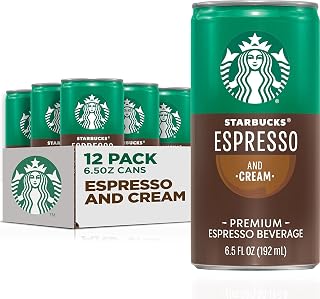
This is the sweetened classic of the category and it carries by far the most owner feedback here, which tells you it delivers exactly what people expect from it every time.
Judged honestly, it is a small rich milk and coffee drink rather than an iced coffee in the black sense. The 6.5 ounce can is sized for that: it is meant to be a short intense drink, not a long refreshing one.
Consistency is the real selling point of a product like this. Every can tastes the same, which is not true of coffee you make yourself and is the whole reason a lot of people buy ready to drink.
If you are trying to avoid added sugar, this is not your product, and no amount of ice changes that. It sits at the opposite end of the shelf from the nitro cold brew.
Bottom line: the reliable sweetened option, bought for consistency and convenience rather than for coffee character.
- Type: espresso with cream, ready to drink
- Sweetened: yes
- Size: 6.5 fl oz cans
- Pack: 12
People who want a short, rich, sweet coffee drink with no preparation and no variation between servings.
Not for anyone avoiding sugar or looking for a long drink over ice.
Serve well chilled and without ice. At this size and richness, ice dilutes the drink faster than it improves it.
If you want it longer, pour over ice and top with milk rather than water, which keeps the texture rather than thinning it.

Pros
- Highest average rating in this comparison
- Cheapest per glass by a wide margin
- Takes no fridge space at all
- You set the strength every glass
- Keeps indefinitely once opened
Cons
- Requires making the drink rather than opening it
- Instant character will not satisfy everyone used to fresh brew
Instant is the format that wins on every practical measure in this category and loses on one emotional one, and it is worth being clear about both.
On cost per glass it is not close: you are buying coffee rather than water, so a small jar makes a large number of drinks. It takes no fridge space, it does not spoil once opened, and it travels to a desk or a hotel room in a way no box or can does.
The blonde roast is a sensible choice for iced drinks, being lighter and brighter than a dark roast, which suits a cold glass better than a heavy bitter profile.
Control is the underrated advantage. You decide the strength every time, which no ready to drink product allows, and that means one jar serves both a strong morning glass and a lighter afternoon one.
The limitation is that it tastes like instant coffee. Modern instants dissolve well in cold water and are far better than they were, but someone who wants the character of a fresh cold brew will notice the difference.
Bottom line: the best value by a distance, and the most flexible, if you are happy with instant.
- Type: instant espresso, blonde roast
- Size: 3.5 oz jar
- Cold water soluble: yes
- Storage: cupboard, no refrigeration
Dissolve the granules in a small splash of warm water first, then top up with cold water and ice. This avoids the undissolved grains that give cold instant a bad name.
Start with less than you think and taste. Because you control the dose, the right strength is a two-glass experiment rather than a purchase decision.
Anyone with limited fridge space, anyone who drinks iced coffee at a desk, and anyone who wants to control strength rather than accept a fixed product.
Less suited to people for whom the ritual and character of brewed coffee is the point.
Pros
- Makes cafe style blended drinks at home
- Large 3.5 pound container covers many servings
- Consistent results without measuring several ingredients
- Established product in the blended drink category
Cons
- Sweetened as part of the mix, with no unsweetened option
- Needs a blender and ice, so it is not a quick drink
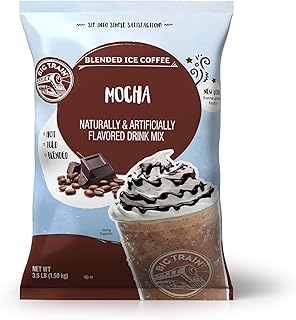
This is a different product from everything else in the guide and should be judged on its own terms. It is a powder for making thick blended coffee drinks, the kind sold in a cafe with a domed lid.
The mix contains the sweetener and the dairy component, which is why it produces a consistent result. Making a blended coffee drink from scratch means balancing coffee, milk, sugar and ice every time, and this removes that.
At 3.5 pounds the container is sized for regular use rather than a one-off. If you make these drinks weekly, that is efficient. If you want to try one, it is a lot of powder to store.
What it will not do is make a black iced coffee. Sweetening is intrinsic to the product, and it is a milk based drink flavoured with coffee rather than a coffee drink with milk added.
Bottom line: the right buy for cafe style blended drinks at home, and irrelevant if you want plain iced coffee.
- Type: blended ice coffee powder mix
- Flavour: mocha
- Size: 3.5 pound container
- Contains: sweetener and dairy component
- Requires: blender and ice
Blend with ice and cold water or milk to the ratio on the pack, and add ice gradually rather than all at once so the texture stays smooth rather than icy.
Chill the liquid before blending. Starting with cold liquid means less ice is needed to reach the right thickness, which keeps the flavour concentrated.
Households that make blended coffee drinks regularly and want consistent results without assembling four ingredients each time.
Not for anyone looking for unsweetened coffee, and not a convenient option without a blender.

Pros
- Combines coffee and protein in one drink
- Caramel latte flavour aimed at cold preparation
- Large body of owner feedback
- Convenient for people already drinking protein shakes
Cons
- Lowest average rating in this comparison
- A combined product is rarely the best version of either component
This is coffee bought as an ingredient rather than as a drink, and whether it makes sense depends entirely on whether a protein shake is already part of your routine.
If it is, combining the two removes a step and a container. If it is not, you are paying for a component you did not want, and a plain instant or cold brew will give better coffee for less.
The formulation is aimed at cold preparation, which matters because many protein powders clump badly in cold liquid. The caramel latte flavour is doing the same job flavoured protein powders usually do, which is covering the taste of whey.
It carries the lowest average rating in this comparison. That is a common pattern for combination products: they are judged against both categories at once and rarely win either.
Bottom line: worth considering only as a replacement for two products, and not as a way to drink better coffee.
- Type: coffee and whey protein powder
- Protein: 10g per serving
- Flavour: caramel latte
- Preparation: cold brew and iced coffee
People who already drink a protein shake and a coffee separately and would rather do one thing than two.
Not for anyone whose goal is a better tasting iced coffee, where a dedicated product does that job far better.
Shake rather than stir, and add the powder to the liquid rather than the liquid to the powder. Both steps reduce clumping, which is the usual complaint with protein powders in cold drinks.
Mix, then add ice last. Ice in the shaker before mixing makes the powder stick to the cubes rather than dissolving.
How to Choose an Iced Coffee Brand
Cold Brew and Iced Coffee Are Not the Same Drink
The two terms get used interchangeably on packaging and they describe different processes. Iced coffee in the strict sense is brewed hot and then cooled, which is fast and keeps the bright, sharper notes that hot water pulls out of the grounds. Cold brew is steeped in cold water for many hours, which extracts differently and produces a rounder, less acidic cup.
You can taste the difference without any training. Cold brew tastes smoother and sweeter even with no sugar added, and hot-brewed iced coffee tastes more like the coffee you drink in the morning, because it is.
Neither is better. If you find black coffee harsh over ice, cold brew is the format to try first. If you like the acidity and want the drink to taste like coffee rather than like a smooth dark liquid, hot-brewed suits you better.
Sugar Is the Real Dividing Line

This is where the category surprises people. A large part of the ready to drink shelf is closer to a dessert than to coffee. Espresso and cream style cans, bottled frappuccino drinks and cappuccino mixes are built around milk and sweetener with coffee as a flavour, and they are pleasant precisely because of that.
At the other end sit black unsweetened options such as the Starbucks Nitro Cold Brew and the Wandering Bear straight black, which contain coffee and water. Between them are lightly sweetened and lightly creamed versions of both.
Read the front of the pack for the words rather than the picture. Black, unsweetened and straight are the words that mean what they say. If a product does not use one of them, assume sweetening is present and check the ingredients.
Four Formats, Four Different Purchases

Ready to drink cans and bottles are the convenience option. You buy the drink finished, chilled and portioned, and you pay for that in packaging and in the fact that you cannot adjust strength or sweetness at all.
Cold brew on tap, which is how Wandering Bear and Java House sell theirs, is a box of brewed coffee with a dispenser. It lives in the fridge, it pours a glass at a time, and it is much less packaging per serving than cans. Read carefully whether a given box is ready to drink or a concentrate to dilute, because both are sold this way and the difference is large.
Instant coffee that dissolves in cold water, such as the NESCAFÉ Gold blonde espresso, is the compact option. It takes no fridge space, it keeps indefinitely, and you decide the strength every time. Modern instants dissolve in cold water far better than older ones did.
Blended drink mixes, which is what the Big Train mocha powder is, are a different product entirely. They are designed to be blended with ice into a thick café-style drink, and they contain the sweetener and the dairy component as part of the mix.
Cost Per Glass and Fridge Space

Formats differ enormously in how much of what you buy is coffee. A can is mostly water, and you are paying to ship and chill that water. A box of cold brew is also mostly water but at far better efficiency per serving. Instant is almost all coffee by weight, which is why it wins on both cost per cup and cupboard space.
Fridge space is the constraint people forget. A case of cans takes a shelf. A tap box takes a large corner and must stay upright. Instant takes none at all, which is why it is the format that survives in a small kitchen or an office drawer.
If you drink one glass a day, any of these work. If you drink three, the format decision starts to dominate everything else, because you are either restocking cans constantly or refilling a box every few days.
Strength, Dilution and Ice
Ice is not neutral. It melts into the drink and dilutes it, which is why a glass that tastes right at the first sip can taste like brown water twenty minutes later. Ready to drink products are formulated assuming some dilution, which is part of why several taste strong straight from the can.
Concentrates are the format that lets you take control. Dilute less if you want to drink it over ice slowly, more if you are drinking it quickly or adding milk. That flexibility is the main practical argument for buying a concentrate over a ready to drink box.
A trick worth knowing regardless of what you buy: freeze coffee into ice cubes. Coffee ice does not dilute a coffee drink as it melts, and it costs nothing beyond an ice tray and forward planning.
Milk, Protein and Coffee as an Ingredient
A growing part of this shelf is coffee bought as a base for something else. The Javvy protein coffee is the clearest example here: a powder combining coffee with whey protein, intended to be a drink that does two jobs. Whether that appeals depends entirely on whether you already drink protein shakes.
It is worth judging these products as what they are. A combined product will rarely be the best coffee or the best protein drink on its own terms, and the reason to buy one is that it replaces two things with one.
The same logic applies to cappuccino and mocha mixes. They are convenient and consistent, and they are a milk drink flavoured with coffee rather than a coffee drink with milk in it. More of our coffee coverage is in the grocery and gourmet food section.
Caffeine Varies More Than You Would Expect
Two glasses of iced coffee can be very different drinks in this respect, and the packaging often does not tell you. Cold brew is usually made at a higher coffee to water ratio than a hot brew, and a concentrate is stronger again before dilution, so a serving from a concentrate box can carry substantially more than a serving of canned milky iced coffee of the same volume.
Energy drink style products complicate the picture further, because several add caffeine beyond what the coffee contributes. A canned coffee marketed as an energy drink is a different proposition from a canned latte, even when both are sold on the same shelf.
Instant is the format where you have complete control, since you decide how many grams go into the glass. That is a genuine advantage for anyone who wants a weaker drink in the afternoon and a stronger one in the morning without buying two products.
If this matters to you, look for a figure per serving on the pack rather than assuming. Some makers publish it clearly, many do not, and the size of the can or bottle tells you nothing on its own.
Quick Comparison
| Format | Control over strength | Fridge space | Best for |
|---|---|---|---|
| Ready to drink can | None | A shelf per case | Grab and go, no preparation |
| Cold brew on tap | Some, if concentrate | A large upright corner | Daily drinkers at home |
| Cold-soluble instant | Full | None | Small kitchens, desks, travel |
| Blended drink mix | Full, but sweetened | Cupboard only | Café-style blended drinks |
Why You Should Trust Us
We build these guides by starting with the products people actually buy and keep, then reading them against what each maker publishes on the pack. For this category we gathered current iced coffee products, filtered them by verified customer ratings and the volume of that feedback, then grouped the shortlist by format and by whether the product is sweetened, because those two facts decide more about whether you will enjoy it than the brand on the front does.
Where a maker describes a product as black, unsweetened or a concentrate, we use their wording. Where a term is used loosely across the industry, such as cold brew versus iced coffee, we explain what it actually means rather than repeating the label. More of our food and drink guides are in the articles library.
Final Thoughts
For coffee that tastes like coffee, the best overall choice is the Starbucks Nitro Cold Brew in black unsweetened. It is genuine cold brew with nothing added, the nitrogen gives it a softer texture than a flat canned drink, and it is one of the few widely available options that is not sweetened.
The best value pick is the NESCAFÉ Gold blonde espresso instant, which is the highest rated product in this comparison and costs least per glass by a wide margin because you are not buying water. For daily drinking at home, the Wandering Bear organic straight black and the Java House box on tap are the two tap formats worth comparing, and the Starbucks Espresso and Cream cans are the sweetened classic with the largest following here. The Big Train mocha mix is for blended café-style drinks, and the Javvy protein coffee makes sense only if it is replacing a protein shake as well as a coffee.
Decide sweetened or not first, then pick the format that suits your fridge. You can browse the rest of the department on our categories page.
FAQs
What is the difference between cold brew and iced coffee brand?
Cold brew is steeped in cold water for many hours. Iced coffee in the strict sense is brewed hot and then chilled. The cold process extracts differently and produces a rounder, less acidic cup, which is why cold brew tastes smoother even without sugar. Packaging uses both terms loosely, so read how the coffee was made rather than trusting the name on the front.
Which iced coffee has no sugar in 2026?
Look for the words black, unsweetened or straight on the front of the pack. Products using those terms, such as the nitro cold brew and the organic straight black box here, are coffee and water. Anything described as espresso and cream, frappuccino, cappuccino mix or latte should be assumed to contain sweetener, and the ingredients list will confirm it.
Is a tap box better value than cans?
Usually yes, per glass, and it uses far less packaging. The trade is fridge space, since a box must stay upright and takes a substantial corner, and shelf life once opened is shorter than an unopened can. If you drink iced coffee daily, a box makes sense. If you drink it occasionally, cans waste less.
Does instant coffee work in cold water?
Modern instants dissolve in cold water far better than older ones, and several are marketed for exactly this. The technique that helps most is dissolving the granules in a splash of warm water first, then topping up with cold and ice. That avoids the undissolved grains that put people off cold instant coffee in the past.
How do I stop ice watering down my drink?
Freeze coffee into ice cubes and use those instead of water ice. As they melt they add coffee rather than diluting it, and the drink tastes the same at the end as at the start. Failing that, buy a concentrate and dilute it less than the instructions say if you know the glass will sit for a while. Our grocery section has more drink guides.

Write Your Review
No reviews yet. Be the first to share your experience!