

Shopping for low sugar low carb protein bars turns into a label puzzle fast. The front of the wrapper shouts “0g sugar” or “keto friendly,” while the number that actually matters for a low-carb diet, net carbs, often never appears on the listing at all. For October 2026 we pulled together a shortlist of 10 bars from NuGo Nutrition, Quest Nutrition, ONE Brands and more, then sorted them by what the nutrition panel really says rather than by what the packaging claims.
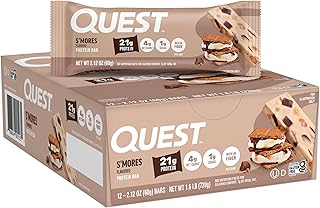
Our top pick is the Quest Nutrition S’mores Protein Bar for its published 4g net carbs paired with 21g of protein and 12g of fiber. Only three bars on this list print a net carb figure in the listing itself, and we say so plainly for the seven that do not. If your one filter is added sugar rather than total carbohydrate, our roundup of the best sugar free protein bars covers that angle instead. Nutrition numbers below come from manufacturer labels and listing copy, and none of it is medical advice.
Pros
- Net carb figure published directly on the listing, no label math needed
- 21g protein per bar, the second highest in this shortlist
- 12g fiber per bar does the heavy lifting on the carb subtraction
- Built on erythritol rather than maltitol syrup
- Individually wrapped and shelf stable for a bag or desk drawer
Cons
- Dense, chewy texture that divides opinion in this category
- 12g of fiber in one sitting is a lot for anyone not used to it
- Contains sucralose, which some low-carb shoppers avoid
This is the classic high-fiber, high-protein bar and it is the reference point most low-carb shoppers compare everything else against. The listing states 21g of protein, 12g of dietary fiber, 4g of net carbs and 1g of sugar in a 2.12oz bar, which puts every number a carb tracker needs in one place before purchase.
The strongest point is transparency. Quest prints the net carb figure rather than leaving you to subtract fiber and polyols from a total carbohydrate line, and the underlying arithmetic holds up: a high total carbohydrate number offset by 12g of fiber is what produces the 4g result. The sweetening base is erythritol with stevia and sucralose, which matters because erythritol is largely unabsorbed and carries a very low glycemic response compared with maltitol.
The honest drawback is texture. These bars are firm and chewy in a way that reads as engineered rather than baked, and that is a direct consequence of the protein and fiber load. The 12g fiber dose is also substantial, and anyone new to soluble corn fiber should expect an adjustment period. Sucralose in the ingredient list will be a dealbreaker for shoppers who want plant sweeteners only.
Bottom line: if the goal is a low net carb bar where the manufacturer shows its work, this is the most complete package here. It combines a published 4g figure, a serious protein number and a sweetener base that suits strict carb counting.
- Protein per bar: 21g
- Net carbs stated: 4g
- Dietary fiber: 12g
- Sugar: 1g
- Bar weight: 2.12oz
- Count: 12 bars
- Flavor: S'mores
- Sweeteners: erythritol, stevia, sucralose
- Gluten free: yes
Best suited to shoppers on a strict daily carb budget who want the number confirmed on the listing rather than calculated from a nutrition image. The high fiber content also suits anyone using a bar as a between-meal anchor rather than a quick sweet fix.
Less suited to those sensitive to sugar alcohols or avoiding sucralose. If a soft, cake-like texture is the priority, a whey isolate bar will be a better fit than this one.
Start with half a bar if soluble corn fiber is new to your diet, then move to a full bar once tolerance is clear. Pair with water rather than another fiber-heavy snack in the same window.
Warming the bar briefly loosens the chew considerably, which is the most common fix for the firm texture. Keep it out of a hot car, since heat softens the coating and it will not set back cleanly.

Pros
- Net carb figure printed in the listing at 4g
- Crunchy granola texture instead of the usual dense chew
- 1g sugar and 6g fiber per bar
- Stocked in most grocery and drug chains, so restocking is simple
- Compact 1.69oz size suits a smaller snack window
Cons
- 16g protein is mid-pack for this shortlist
- Sweetening base leans on sugar alcohols rather than allulose
- Salty and sweet profile will not suit everyone
Atkins has been building around the net carb concept longer than almost anyone in this category, and this peanut butter granola bar shows the benefit of that experience. The listing states 16g protein, 6g fiber, 4g net carbs and 1g sugar in a 1.69oz bar, matching the top pick on net carbs in a smaller and crunchier package.
Two things stand out. The first is format: a crisp granola bar is a genuine change of pace in a category dominated by dense chewy bars, and the salty peanut profile keeps it from tasting like a dessert substitute. The second is availability. This is stocked well beyond online channels, which turns a restock into a normal errand rather than a shipping decision.
The compromises are real. At 16g the protein number sits below the leaders here, and 6g of fiber means the 4g net carb figure depends more on sugar alcohols than on fiber alone. Anyone who subtracts maltitol at half value rather than in full will arrive at a slightly higher effective number than the printed 4g.
Bottom line: the most sensible everyday choice on this list. It gives the same headline net carb figure as the top pick, in a format that is easier to eat regularly and easier to buy repeatedly.
- Protein per bar: 16g
- Net carbs stated: 4g
- Dietary fiber: 6g
- Sugar: 1g
- Bar weight: 1.69oz
- Count: 12 bars
- Flavor: Peanut Butter Granola
- Format: crunchy granola bar
- Gluten claim: check current panel
Compare this against the top pick on protein rather than on net carbs, since both list 4g. If protein per bar is the deciding number, the higher protein options in this shortlist win. If texture and easy availability matter more, this is the stronger buy.
Check the sugar alcohol line on the current panel if you subtract maltitol at half value, because that adjustment changes the effective figure for this bar more than it does for the allulose-based options.
Contains peanuts, which rules it out for anyone with a peanut allergy and makes it worth checking shared-equipment statements if other nut allergies are involved.
Store at room temperature and away from direct sun. The crunch is the point of this bar, and humidity is what takes it away, so keep the wrapper sealed until eating.

Pros
- 28g protein per bar, the highest here
- Around 150 calories, an unusual ratio for this protein level
- Allulose sweetening, excluded from Total Sugars on the panel
- Very low fat content compared with keto-oriented bars
- No sugar listed on the label
Cons
- Listing headline does not publish a net carb figure
- Very low fat means it satisfies less than a fattier bar for some people
- A newer brand with a shorter track record than the established names
David Protein built this bar around a single unusual target: put 28g of protein into roughly 150 calories. That ratio is the highest in this shortlist by a clear margin, and it is achieved by keeping fat very low and using allulose as the sweetener rather than sugar or a fiber syrup.
Allulose is the interesting part for carb counters. The FDA excludes it from both Total Sugars and Added Sugars on the nutrition panel, so a bar built on it can show a genuinely low sugar line without depending on polyols that some people tolerate poorly. Combined with the low fat number, the result is a bar that reads much closer to a lean protein source than to a candy substitute.
The disclosure gap is the honest criticism. The Amazon listing headline gives protein count and pack size and stops there, so the total carbohydrate figure has to be read off the nutrition image before this can be slotted into a daily carb budget. The very low fat content is also a double-edged feature: it keeps calories down but leaves the bar less satisfying than a fattier option for shoppers who eat one as a meal bridge.
Bottom line: the protein density champion of the group and a strong allulose-based option, provided you are willing to check the carbohydrate line yourself rather than take it from the headline.
- Protein per bar: 28g
- Calories per bar: approximately 150
- Sugar: 0g
- Net carbs stated in headline: no
- Sweetener: allulose
- Count: 12 pack
- Flavor: Chocolate Chip Cookie Dough
- Fat content: low relative to keto bars
Aimed squarely at shoppers optimizing protein per calorie, which usually means someone tracking a protein target alongside a carb ceiling. The allulose base also suits anyone who has had trouble with erythritol or maltitol in other bars.
Less suited to strict keto eaters who want fat to carry the calorie load, and to anyone who prefers to buy only from long-established brands.
Open the nutrition image before adding this to a carb budget. The headline sells protein, not carbohydrate, so the total carbohydrate and fiber lines are the two numbers to find.
If you are comparing against the top pick, the trade is straightforward: this bar wins clearly on protein per calorie, the top pick wins on published net carbs and fiber content.

Pros
- Net carb figure published on the listing at 4g
- Whole nut texture instead of an engineered protein chew
- Allulose sweetened with zero added sugar
- High fiber content for the bar size
- 5 count box is a low-commitment way to try the line
Cons
- 5g protein is by far the lowest here, this is a snack not a protein source
- Small 5 count box means a higher cost per bar
- Nut-forward profile will not satisfy a chocolate craving the way a coated bar does
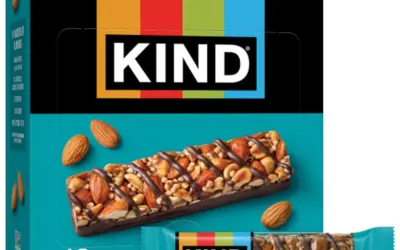
KIND took a different route to a low net carb number than everyone else here. Instead of building a protein matrix and subtracting fiber syrups, this is a whole nut bar held together with an allulose-based binder, and the listing states 4g net carbs, 5g protein and 0g added sugar.
The appeal is texture and ingredient legibility. You can see the almonds and peanuts, the bar snaps rather than stretches, and the dark chocolate and sea salt finish keeps it from tasting like health food. Allulose is the enabling ingredient: because the FDA excludes it from Added Sugars, KIND can hit a zero added sugar claim without the polyol load that gives some shoppers trouble.
The limitation is obvious and worth stating plainly. At 5g, protein is roughly a quarter of what the leaders in this shortlist deliver, so this does not do the job of a protein bar. The 5 count box is also small, which is convenient for a first purchase but works out to a higher cost per bar than the larger count boxes here.
Bottom line: the best choice when the goal is a genuinely low carb snack made from recognizable food, and the wrong choice when the goal is hitting a protein target.
- Net carbs stated: 4g
- Protein per bar: 5g
- Added sugar: 0g
- Sweetener: allulose
- Main ingredients: whole almonds and peanuts
- Flavor: Dark Chocolate Nuts and Sea Salt
- Count: 5 bars
- Gluten free: yes
Contains almonds and peanuts, so it is unsuitable for tree nut or peanut allergies and worth checking against shared-equipment statements.
Dark chocolate softens above room temperature. Store cool and avoid leaving these in a bag in warm weather, since the coating does not reset with the same finish.
A good fit for low-carb eaters who want an afternoon snack made from whole nuts rather than an engineered bar, and for anyone who has reacted poorly to sugar alcohols in other products.
Not the right pick for post-workout protein or for replacing part of a meal, where the 5g protein figure falls well short.

Pros
- Macro split genuinely built for keto rather than adapted to it
- Stevia sweetened with no sugar alcohol load
- 7g dietary fiber per small bar
- Plant based protein from a dry roasted nut butter base
- Panel prints the full carbohydrate breakdown, so the math is quick
Cons
- 9g protein is low if you are using a bar to hit a protein target
- 13g fat means calories per bar run higher than the size suggests
- Listing headline gives fiber, protein and fat but no net carb figure
Most bars in this category are protein bars that were reworked to lower their carb count. This one is the opposite: a keto bar designed from the macro split outward, listing 9g of plant protein, 13g of fat and 7g of dietary fiber in a compact 1.41oz format. The panel breaks out 14g total carbohydrate, 7g fiber and 5g sugar alcohol, which is a low single-digit net carb figure once subtracted.
The sweetening approach is the standout. Stevia extract does the work here, which means there is effectively no sugar alcohol load to tolerate. For shoppers who have bloated on erythritol or maltitol bars, that single difference can matter more than any other number on the label. The base is dry roasted nut butter rather than a protein isolate matrix, and the texture follows accordingly: soft, rich, and closer to a fudge than a chew.
The trade-off is that fat carries the calories. At 13g of fat in a small bar, this is not a low-calorie snack, and at 9g the protein number is low for anyone treating a bar as a protein source. That is the intended design of a keto bar rather than a defect, but it is easy to misread if you came in expecting a protein bar.
Bottom line: the most authentically keto option in this shortlist, and the best pick for anyone who wants low carbs without polyols. Just do not ask it to be a high protein bar.
- Plant protein per bar: 9g
- Fat per bar: 13g
- Dietary fiber: 7g
- Panel: 14g total carbohydrate, 7g fiber, 5g sugar alcohol
- Sweetener: stevia extract
- Bar weight: 1.41oz
- Box weight: 480g
- Non-GMO: yes
- Gluten free: yes
Built for keto eaters who want fat to carry the calories and who are avoiding sugar alcohols entirely. Also a reasonable option for plant-based shoppers, since the protein is not dairy derived.
Not the pick for anyone counting a bar toward a daily protein target, or for shoppers watching calories per snack closely.
This works well as a mid-afternoon bridge where the fat content keeps hunger down for a few hours, rather than as a post-workout item where protein does the work.
The nut butter base softens in heat. Chilling a bar for a few minutes firms up the texture noticeably if you prefer more bite.

Pros
- Granola bar texture rather than a dense protein chew
- Zero added sugar claim across the line
- Small 32g bar suits a light snack rather than a meal bridge
- From a brand focused specifically on keto formulations
- 8 count box is a moderate commitment
Cons
- No net carb figure in the listing headline
- Protein content is not headlined either, so both key numbers need checking
- 32g bar is small, which some shoppers will find underwhelming
Perfect Keto approaches this category from the diet side rather than the sports nutrition side, and the Nola Bar is a granola bar reworked to fit keto macros. It arrives in a 32g format with a zero added sugar claim and a chewy rather than crunchy texture, which is unusual for a granola style bar.
The format is the reason to consider it. Most low-carb bars in this shortlist are either dense protein chews or coated candy substitutes, and a nut-forward chewy granola bar sits in neither camp. For shoppers who find protein bars cloying, a granola texture is a meaningful change and the peanut butter profile keeps it savory rather than dessert-like.
Disclosure is the weak point. The listing headline sells the zero added sugar claim and the format, but it does not print a net carb figure and it does not headline protein either, so both numbers have to come off the nutrition image before you can slot this into a plan. The 32g size is also modest, closer to a light snack than a meal bridge.
Bottom line: a good texture alternative from a brand that specializes in keto formulation, but one that asks you to do the label reading yourself.
- Bar weight: 32g
- Added sugar: zero
- Net carbs stated in headline: no
- Format: chewy keto granola bar
- Flavor: Peanut Butter
- Count: 8 bars
- Gluten free: yes
Before buying, open the nutrition image and find total carbohydrate, dietary fiber and any sugar alcohol line. Those three numbers give you the net carb figure the headline leaves out.
Compare the bar weight as well as the macros. At 32g this is smaller than most bars here, so a net carb figure that looks low may simply reflect a smaller serving.
Peanut butter is the lead flavor, so this is unsuitable for peanut allergies and worth checking against tree nut statements.
Chewy bars firm up considerably when cold and soften in heat. Room temperature storage keeps the intended texture.

Pros
- Stevia sweetened with no sugar alcohol load
- 0g sugar per bar
- No artificial flavors listed
- Gluten free
- Long-running brand in the sugar free bar space
Cons
- Listing claims low carb but does not print a net carb figure
- 11g protein is modest against the leaders here
- Listing copy carries health claims that a shopping guide should not endorse
Extend Nutrition has been making sugar free bars for a long time and the formulation reflects that focus. The listing gives 11g of protein and 0g of sugar, with stevia as the sweetener and no artificial flavors, which puts it in the small group here that avoids sugar alcohols entirely.
That sweetener choice is the practical reason to consider it. Polyol tolerance is the most common complaint in this whole category, and a stevia-only bar sidesteps it. Fiber content is high enough to keep the carbohydrate line manageable, and the flavor set stays fairly plain rather than chasing dessert profiles, which suits shoppers who eat a bar as a routine snack rather than a treat.
Two caveats. First, the listing claims low carb without printing a net carb number, so the arithmetic falls to you. Second, this brand markets around blood sugar and hunger outcomes, and those claims sit outside what a shopping guide should pass along. This entry is based on the label figures only: protein, sugar, fiber and sweetener.
Bottom line: a solid stevia-sweetened option for anyone who reacts badly to sugar alcohols, judged strictly on its nutrition panel rather than on its marketing.
- Protein per bar: 11g
- Sugar: 0g
- Net carbs stated in headline: no
- Sweetener: stevia
- Artificial flavors: none listed
- Gluten free: yes
- Format: soft protein bar
Suits low-carb shoppers whose main constraint is sugar alcohol tolerance rather than maximum protein per bar. The plain flavor direction also fits people who want a routine snack instead of a dessert substitute.
Not the right pick if you need 20g or more of protein per bar, or if you want the net carb figure confirmed before purchase.
Read the nutrition panel for total carbohydrate and dietary fiber, since the headline stops at the sugar claim. Those two numbers are enough to compute net carbs for a stevia bar with no polyols.
Ignore outcome claims in the listing copy when comparing bars. Compare panels against panels, and take any question about carbohydrate targets or medication to a qualified healthcare professional.

Pros
- 20g protein per bar in a genuinely dessert-like format
- 1g total sugars stated on the listing
- Soft nougat and caramel texture rather than a dry chew
- No coating melt issues that plague chocolate-dipped bars
- 12 count box
Cons
- No net carb figure published on the listing
- Low sugar comes from sugar alcohols, so the total carbohydrate line stays high
- Sugar alcohol load can cause discomfort for sensitive shoppers
Barebells built its reputation on making a protein bar that eats like a candy bar, and this one delivers on that promise more convincingly than most. The listing gives 20g of protein and 1g of total sugars in a soft, layered format that avoids the dry chew common to high-fiber bars.
Taken purely as a protein delivery vehicle it is strong. Twenty grams is a serious number, the texture encourages people to actually finish the bar, and the flavor range is wide enough to avoid fatigue. For anyone transitioning off conventional candy, this is one of the easier substitutions in the category.
For a net carb focused list, though, this is the clearest example of the gap between a sugar claim and a carb figure. The listing headlines 1g of total sugars and stops there. The low sugar result is produced with sugar alcohols, which means total carbohydrate stays high and the effective net carb number depends on how strictly you subtract polyols. Shoppers who discount maltitol at half value will land meaningfully above the number a full subtraction would suggest.
Bottom line: an excellent tasting 20g protein bar and a useful lesson in reading past the sugar line. Buy it for the texture and protein, and check the carbohydrate panel before counting it as low carb.
- Protein per bar: 20g
- Total sugars: 1g
- Net carbs stated: no
- Sweetener approach: sugar alcohols
- Flavor: Chocolate Dough
- Count: 12 bars
- Texture: soft layered nougat
- Format: uncoated protein bar
Find the total carbohydrate line and the sugar alcohol line before treating this as a low carb bar. The 1g sugar claim on the front is accurate and also not the number you need.
If you subtract polyols at half value rather than in full, recompute before fitting this into a tight daily carb budget.
The right pick for shoppers whose main priority is protein plus a genuinely enjoyable eating experience, with low carbs as a secondary goal rather than a hard limit.
The wrong pick for strict keto tracking or for anyone who tolerates sugar alcohols poorly.

Pros
- 20g protein per bar from whey protein isolate
- 1g sugar stated on the listing
- Soft, cake-like texture that avoids the dense chew
- Lemon flavor is a genuine break from chocolate and peanut profiles
- Gluten free
Cons
- Net carbs not published on the listing
- Sweetness comes from fiber syrup and sugar alcohols, so total carbohydrate stays high
- Whey isolate base rules it out for dairy-free shoppers
ONE Brands sits at the softer end of this category. The listing gives 20g of protein from whey protein isolate and 1g of sugar, and the texture is closer to a cake bar than to the dense chew most high-fiber products deliver. Lemon cake is also a genuine flavor break in a shortlist dominated by chocolate and peanut butter.
Whey protein isolate is the reason for the texture. It hydrates differently from milk protein blends and produces a softer bite that holds up over shelf life, which is why this line has kept its following. Twenty grams of protein per bar is competitive with anything here outside the David Protein bar.
As with Barebells, the headline number is sugar rather than carbohydrate. Total carbohydrate on this style of bar runs high and is brought down on paper by fiber syrup and sugar alcohols, so the 1g sugar claim and the net carb reality are two different conversations. Anyone tracking carbs strictly should read the panel and decide how to treat the polyol line before counting this bar.
Bottom line: a strong soft-textured 20g protein bar with a flavor range worth exploring, best understood as a low sugar bar rather than a confirmed low net carb one.
- Protein per bar: 20g
- Protein source: whey protein isolate
- Sugar: 1g
- Net carbs stated: no
- Flavor: Lemon Cake
- Count: 12 bars
- Texture: soft cake style
- Gluten free: yes
A good fit for shoppers who want high protein with a soft texture and are using low sugar rather than strict net carbs as the filter. The flavor variety also suits anyone tired of chocolate-forward bars.
Not suitable for dairy-free diets, and not the first choice for strict carb counting given the undisclosed net carb figure.
Read the total carbohydrate, dietary fiber and sugar alcohol lines together. A bar can show 1g sugar and still contribute a double-digit net carb figure depending on how the fiber syrup is counted.
If a published net carb number is a requirement, the Quest, Atkins and KIND entries in this shortlist are the three that provide one.

Pros
- 20g protein per bar with 0g sugar on the label
- Real peanut crunch texture rather than a smooth extruded chew
- Long-established formulation with a consistent following
- Dark chocolate coating on a substantial bar
- 12 count box
Cons
- No net carb figure on the listing and the highest carbohydrate total in this shortlist
- Sugar alcohol content is significant, which affects both the math and tolerance
- Coating melts in heat
NuGo Smarte Carb has been in this category longer than most of the bars around it, and the recipe reflects an earlier generation of low carb formulation. The listing gives 20g of protein and 0g of sugar in a peanut crunch bar with a dark chocolate coating, and the bar itself is substantial rather than snack sized.
The texture is the reason it has kept a following. Actual peanut pieces give it crunch and chew rather than the uniform density of an extruded protein bar, and the coating makes it feel like a treat. Twenty grams of protein with a zero on the sugar line is a solid combination on its own terms.
This is also the bar in the shortlist where the gap between the claim and the arithmetic is widest. The listing says low carb but prints no net carb figure, and the total carbohydrate number is the highest here, brought down on paper by fiber and a significant sugar alcohol contribution. Depending on how strictly you treat polyols, the effective figure can land well above what the low carb label implies.
Bottom line: a genuinely enjoyable 20g protein bar with real texture, and the clearest case in this list for opening the nutrition panel before trusting a front-of-pack claim.
- Protein per bar: 20g
- Sugar: 0g
- Net carbs stated: no
- Sweetener approach: fiber plus sugar alcohols
- Flavor: Peanut Crunch
- Coating: dark chocolate
- Count: 12 bars
- Format: full size crunch bar
Compute net carbs manually for this one. Total carbohydrate minus dietary fiber minus sugar alcohol gives the figure, and it is worth doing before this displaces a bar that publishes 4g.
If the polyol content turns out to be maltitol based, apply whatever discount you normally use rather than subtracting it in full.
Contains peanuts and a chocolate coating, so it is unsuitable for peanut allergies and should be checked against other nut statements.
The coating melts readily. Store cool and avoid leaving these in a car or a warm bag, since a melted and reset coating changes both the look and the snap.
How to Choose Low Sugar Low Carb Protein Bars
Start With Net Carbs, Not the Sugar Line

Net carbs is the figure most low-carb and keto eaters track. It is not a regulated term and it will never appear on the FDA nutrition panel, which is exactly why brands are free to print it on the front, bury it on a website, or skip it entirely. The common formula is total carbohydrate minus dietary fiber minus sugar alcohols, and the leftover number is what people count toward a daily carb budget.
That formula is why the sugar line on its own tells you almost nothing. A bar can carry one gram of sugar and still sit near twenty grams of total carbohydrate, because the sweetness came from fiber syrups and polyols instead of cane sugar. Three products here put the net carb figure right in the listing headline: Quest at 4g, Atkins at 4g, and KIND at 4g. For the other seven you have to open the nutrition image and do the subtraction yourself.
Treat any bar that hides its total carbohydrate number as a bar you have not evaluated yet. Wanting a lower-calorie bar is a different goal with a different shortlist, and our guide to the best low calorie protein bars separates those two questions.
Do the Label Math Yourself
Step one: find Total Carbohydrate on the panel. This is the honest starting number and it is legally required, so every bar has it. Step two: subtract Dietary Fiber, which sits indented directly underneath. Step three: subtract Sugar Alcohol if the brand lists it, which many do voluntarily under the sugars block. Step four applies only to allulose bars: allulose counts inside Total Carbohydrate but is excluded from Total Sugars, so it has to be subtracted separately and you will usually have to find it in the ingredient list rather than the panel.
Three bars in this shortlist show how the arithmetic plays out. Quest lists 23g total carbohydrate, 12g dietary fiber and 7g sugar alcohol, which lands at 4g. Atkins lists 18g total carbohydrate, 6g dietary fiber and 8g sugar alcohol, which also lands at 4g. KIND reaches the same 4g from a completely different direction: 14g total carbohydrate, 6g dietary fiber, 0g sugar alcohol, and roughly 4g of allulose doing the work that a polyol does elsewhere.
Now run the same steps on a bar showing 23g total carbohydrate, 1g fiber and no listed sugar alcohol. You land at 22g net carbs despite an identical 1g sugar claim on the front of the wrapper. Two identical-looking sugar claims, two completely different results. Doing this arithmetic once per bar takes about fifteen seconds and it is the single most useful habit for this category.
Why a Zero Sugar Bar Can Still Carry Twenty Grams of Carbs
Sugar and carbohydrate are not synonyms. Sugar is one subcategory of carbohydrate, and a manufacturer can drive the sugar line to zero while total carbohydrate stays high by using soluble corn fiber, isomalto-oligosaccharide, tapioca fiber, glycerin, or maltitol syrup. All of those are carbohydrate. All of them are legally excluded from the Total Sugars line. This is not a loophole so much as a labeling reality, but it is the reason a shelf full of zero sugar bars is not a shelf full of low-carb bars.
Maltitol deserves its own mention. It is a sugar alcohol, so it gets subtracted in the standard net carb formula, but it is only partially unabsorbed and it carries a meaningful glycemic response compared with erythritol or allulose. Anyone tracking carbs strictly usually subtracts maltitol at half value rather than in full. Bars built on maltitol syrup can therefore read as low-carb on paper and behave differently in practice.
The practical move is to read the ingredient list in parallel with the panel. If the first three ingredients include a fiber syrup or a polyol, the low net carb figure is coming from subtraction, not from an inherently low-carb recipe. For a broader look at the category without the carb filter, see our main best protein bars guide.
Sweeteners: Allulose, Erythritol, Stevia, and Monk Fruit

Allulose is the newest of the group and the FDA excludes it from Total Sugars and Added Sugars on the panel, which is why bars built on it can show low sugar without leaning on polyols. KIND uses allulose across its Zero Added Sugar line, and David Protein uses it as well. Texture-wise it browns and caramelizes closer to real sugar, so bars using it tend to taste less like diet food.
Erythritol is the sugar alcohol most commonly paired with low-carb bars because it is largely unabsorbed and carries a very low glycemic response. Quest builds its bars around erythritol together with stevia and sucralose. Stevia and monk fruit are high-intensity plant extracts used in fractions of a gram, so they contribute effectively no carbohydrate at all. Extend Nutrition and No Sugar Company both sweeten with stevia.
Tolerance is personal and worth respecting. Sugar alcohols are fermented in the gut, and a bar that suits one person can cause bloating for another at the same dose. Starting with half a bar on any new polyol-heavy product is a cheap way to find out where you sit.
Protein Content and Protein Source
Protein per bar in this shortlist runs from 5g on the KIND nut bar up to 28g on the David Protein bar, so the category label covers a very wide range. A 5g nut bar is a snack; a 28g bar is closer to a meal component. Match the number to the job rather than assuming more is better.
Source matters for texture as much as for nutrition. Whey protein isolate, used by ONE Brands, gives a softer chew and a cleaner finish. Milk protein isolate and casein blends, common in Quest and Barebells, produce the denser texture people either love or complain about. Plant blends built on pea and brown rice, as with No Sugar Company, tend to eat drier and often pair with higher fat to compensate.
Fat content is the quiet variable in this category. Genuinely keto-oriented bars such as the No Sugar Company Keto Bar carry 13g of fat per bar because fat replaces the calories that carbohydrate would normally supply. That is the intended design, not a flaw, but it does mean calories per bar sit higher than a low-carb shopper might expect.
Fiber Type, Serving Size, and Pack Format

High fiber is what makes most of these net carb figures possible, and the fiber sources vary. Soluble corn fiber and chicory root inulin are the workhorses. Both count fully as dietary fiber on the panel and both ferment in the large intestine, which is where the tolerance question comes in again. Quest lists 12g of fiber per bar and Atkins lists 6g, so the same net carb result arrives by different routes.
Serving size is worth a second look because it is not standardized. Bars in this list range from roughly 32g up to 60g, and a bigger bar with the same net carb figure is simply better value per gram of food. Check whether the listing quotes numbers per bar or per serving, since a few brands split a single bar into two servings.
Pack format changes the real cost more than most people expect. Counts here run from 4 and 5 bar boxes up to bulk cases. A 5 count box is a reasonable way to find out whether you like a flavor before committing, while a bulk case only makes sense once you know you will finish it before the best-by date.
Net Carb Disclosure at a Glance
| Bar | Protein per bar | Net carbs on the listing | Sweetener approach |
|---|---|---|---|
| Quest Nutrition S’mores | 21g | Yes, 4g stated | Erythritol, stevia, sucralose |
| Atkins Peanut Butter Granola | 16g | Yes, 4g stated | Sugar alcohols plus high-intensity sweetener |
| David Protein Cookie Dough | 28g | No, protein only in headline | Allulose |
| KIND Zero Added Sugar | 5g | Yes, 4g stated | Allulose |
| No Sugar Company Keto Bar | 9g | Not in this listing headline | Stevia extract |
| Perfect Keto Nola Bar | Not stated in headline | No, zero added sugar claim only | No added sugar recipe |
| Extend Nutrition Sugar Free | 11g | No, zero sugar claim only | Stevia |
| Barebells Chocolate Dough | 20g | No, 1g total sugars claim only | Sugar alcohols |
| ONE Brands Lemon Cake | 20g | No, 1g sugar claim only | Fiber syrup plus sugar alcohols |
| NuGo Smarte Carb Peanut Crunch | 20g | No, low carb claim only | Sugar alcohols |
Read the third column as a shopping shortcut rather than a quality ranking. A bar that stays quiet about net carbs is not automatically worse, it just means the arithmetic is your job before it goes in the cart.
Why You Should Trust Us
We built this shortlist by filtering the category down to bars with a 4.0 star rating or better and a substantial base of verified customer ratings, then reading every nutrition claim on every listing against the same yardstick: does the brand publish a net carb figure, and if not, what does the total carbohydrate line actually say. Products that turned out to be cookies, crackers, brownies or dessert clusters rather than bars were removed, as were duplicate pack sizes of the same recipe.
We do not repeat health claims that appear in listing copy. Several brands in this category market their bars around blood sugar or weight outcomes, and those claims sit outside what a shopping guide should endorse. Everything stated here is a label figure, a published ingredient, or an explicit note that the number was not disclosed. If a listing changed its packaging or reformulated since publication, the nutrition panel on the product page is the final word.
Final Thoughts
For best overall we keep coming back to the Quest Nutrition S’mores Protein Bar. It prints 4g net carbs, 21g protein, 12g fiber and 1g sugar directly in the listing, which means no arithmetic is required, and it builds that profile on erythritol rather than maltitol syrup. Among low sugar low carb protein bars, transparency plus a genuinely low figure is a rare combination.
Best value goes to the Atkins Peanut Butter Granola High Protein Bar. It matches Quest at 4g net carbs with 16g of protein and 1g of sugar, ships in a 12 count box, and is stocked almost everywhere, so restocking never becomes a project. For the highest protein density in the shortlist the David Protein Chocolate Chip Cookie Dough Bar delivers 28g per bar on an allulose base, and for the most keto-oriented macro split the No Sugar Company Keto Bar pairs 9g of plant protein with 13g of fat and 7g of fiber.
If you want a whole-food texture instead of an engineered one, the KIND Zero Added Sugar Dark Chocolate Nuts and Sea Salt bar is the pick, though at 5g of protein it is a snack rather than a protein source. Bars aimed at training loads are a separate question, covered in our guide to the best protein bars for athletes, and more picks across this department sit on our grocery and gourmet food page.
Frequently Asked Questions
How do I calculate net carbs on low sugar low carb protein bars in 2026?
Take Total Carbohydrate from the nutrition panel, subtract Dietary Fiber, then subtract Sugar Alcohol if the brand lists it, and subtract allulose separately if the bar uses it. The remainder is net carbs. Net carbs is not a regulated term, so it will never appear on the panel itself, and any figure printed on the front of a wrapper is the brand doing this same subtraction for you.
Can a bar say zero sugar and still be high in carbs?
Yes, and it happens constantly. Total Sugars only counts sugars, so a bar sweetened with soluble corn fiber, glycerin or maltitol syrup can show 0g sugar while total carbohydrate sits near twenty grams. Whether that translates to a low net carb figure depends entirely on how much of the total is fiber and polyols, which is why the panel matters more than the wrapper.
Which sweeteners are best for low sugar low carb protein bars?
Allulose and erythritol are the two most commonly chosen for low-carb bars because both carry a very low glycemic response and both are excluded or subtracted in standard net carb math. Stevia and monk fruit contribute effectively no carbohydrate because they are used in tiny amounts. Maltitol is the one to watch, since it is a sugar alcohol on paper but is absorbed more than the others.
Are low-carb protein bars a meal replacement?
Treat them as snacks unless the label is explicitly built as a meal, since most bars in this shortlist land between 150 and 250 calories and skew heavily toward one macronutrient. Nutrition needs vary by person, and questions about carbohydrate targets, medication or a specific medical condition belong with a qualified healthcare professional rather than a shopping guide.
How much fiber is too much in one bar?
There is no single threshold, but bars in this category can carry 12g or more of fiber, which is a large single dose for anyone not used to it. Introducing them gradually and splitting the first bar in half is a sensible approach. More comparisons across categories are collected on our articles page.



Write Your Review
No reviews yet. Be the first to share your experience!