

A good robot vacuum turns floor cleaning from a weekend chore into something that happens quietly in the background. The best robot vacuums now map your home, dodge cords and pet bowls, empty themselves for weeks, and even mop sealed floors on the way. To cut through the noise, we compared 8 of the most trusted models from brands like eufy, Shark, Lefant and more, ranked using real customer ratings rather than spec sheets alone. Our top pick is the roborock Q7 M5+ for its self-emptying dock, strong suction, and reliable LiDAR navigation that vacuums and mops most homes without constant attention. If you are also upgrading other rooms, our guides to the best air fryers pair well with a kitchen refresh.
Below you will find the full shortlist for September 2026, followed by a buying guide that explains what actually matters, how we ranked these picks, and answers to the questions people ask most before buying.
Pros
- Self-empty dock holds weeks of debris before you touch it
- PreciSense LiDAR builds accurate maps and cleans room by room
- 10,000Pa suction lifts pet hair from rugs and hard floors
- Dual anti-tangle system cuts down on wrapped hair
- App lets you set no-go zones and cleaning schedules
Cons
- The mopping pad only wipes light spills, not dried stains
- The tall dock needs a bit of open floor space to sit
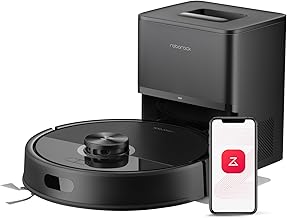
The roborock Q7 M5+ is a vacuum and mop combo built for people who want a genuine set and forget routine. It maps your home with PreciSense LiDAR, then works room by room instead of bouncing around at random, which means fewer missed patches under tables and along baseboards.
Suction is the real strength here. At 10,000Pa it pulls embedded pet hair and fine grit out of low pile rugs, and the dual anti-tangle brush design keeps long strands from wrapping into a knot. The self-emptying dock takes the least pleasant chore off your plate, since it can hold weeks of debris before the bag needs changing.
The mopping side is more of a maintenance wipe than a deep scrub. It keeps sealed hard floors looking fresh between manual cleans, but it will not remove dried on stains, and the dock is fairly tall, so it wants a little breathing room against a wall.
Bottom line: if you want one machine that vacuums, does light mopping, and empties itself for weeks at a time, the Q7 M5+ is the most balanced pick in this roundup and the one most homes will be happy living with.
- Cleaning modes: vacuum and mop
- Suction: 10,000Pa
- Navigation: PreciSense LiDAR mapping
- Self-empty dock: up to 7 to 9 weeks
- Brush system: dual anti-tangle
- Control: app and voice assistant
- Best for: hard floors, low pile rugs, pet homes
This one suits busy households that mix hard floors with area rugs and want vacuuming plus light mopping handled automatically. Pet owners get the most from the strong suction and anti-tangle brushes, while anyone who dislikes emptying a bin will appreciate the multi-week dock.
Let it complete one full mapping run before you set no-go zones in the app, since an accurate map makes every later clean smarter. Rinse the mop pad after each mopping session and swap the dock bag when the app flags it. A quick monthly check of the brush roll keeps suction at its best.

Pros
- Very slim body slides under sofas and beds
- Quiet enough to run while you work or relax
- Self-charging so it returns to the dock on its own
- Simple to live with, no complicated setup
- Handles hard floors through medium pile carpet
Cons
- Bump style navigation rather than laser mapping
- No mopping function or app based no-go zones
The eufy 11S MAX is the classic slim puck that helped make robot vacuums mainstream, and it remains the value benchmark. It is one of the thinnest bodies you can buy, so it slips under couches, beds, and cabinets that taller units simply cannot reach.
It leans on a quiet motor and automatic suction boost that ramps up when it rolls from hard floor onto carpet. Daily runs keep dust, crumbs, and light pet hair under control, and when the battery runs low it finds its own way back to the dock without help.
The trade offs are what you expect at this level. It uses bump and go navigation rather than a laser map, so it cleans in a more random pattern and does not offer app based no-go zones or mopping. For bare floors and thin carpet in a smaller footprint, that is a fair compromise.
Bottom line: if you want dependable everyday cleaning without paying for mapping and mopping features you may not use, the 11S MAX is the smartest value in this lineup.
- Cleaning mode: vacuum only
- Navigation: bump and go with suction boost
- Profile: ultra slim body
- Charging: automatic self-return
- Surfaces: hard floors to medium pile carpet
- Noise: low volume operation
- Best for: apartments and bare floors
Choose the 11S MAX if you live in an apartment or single level home with mostly hard floors and thin rugs, and you want quiet, reliable daily cleaning at the lowest sensible cost. It is also a great first robot vacuum for anyone not ready to commit to mapping and mopping.
Pick up cables and small clutter before a run so the low profile body does not snag. Empty the compact bin every couple of cleans to hold suction, and wipe the drop sensors on the underside now and then so it keeps reading edges and stairs correctly.

Pros
- Large jump in suction over older Roomba models
- AI obstacle avoidance steers around cords and toys
- Multifunction dock self-empties and hot dries pads
- Lifting spinning mop pads handle sealed hard floors
- Long self-emptying window between bag changes
Cons
- Premium price sits well above budget pucks
- The all in one dock has a large footprint
The iRobot Roomba 505X is the flagship of this roundup, a vacuum and mop combo aimed at people who want the least ongoing involvement possible. Its headline feature is a large suction increase over earlier Roombas, which shows up most on carpet and in the corners where fine debris hides.
AI obstacle avoidance helps it read the room and steer around charging cables, shoes, and pet bowls instead of shoving them across the floor. The multifunction dock does the heavy chores for you, emptying the bin, washing the mop pads, and hot drying them so they do not sit damp between runs.
The catch is cost and size. This is a premium machine, and the all in one dock takes up real floor space, so you need a spot to park it. If you have the room and the budget, though, it is about as hands-off as a robot vacuum gets right now.
Bottom line: for a large or busy home where you want vacuuming and mopping fully managed by the base, the Roomba 505X is the premium pick worth stretching for.
- Cleaning modes: vacuum and mop combo
- Suction: 70x more than older Roomba models
- Navigation: AI obstacle avoidance
- Dock: self-empty, self-clean, hot dry
- Self-emptying window: up to 75 days
- Mop: lifting spinning pads
- Best for: pet homes and large layouts
The companion app handles scheduling, room specific cleaning, and dock status, and it plays nicely with common voice assistants so you can start a clean by voice. Because the dock manages emptying and mop washing, most of your app time is spent setting routines rather than babysitting each run.
The 505X fits larger, busier households, especially pet owners, who want vacuuming and mopping handled with as little manual work as possible and have both the budget and the floor space for a full multifunction dock.

Pros
- Bagless XL self-empty base with long capacity
- HEPA filtration traps fine dust and dander
- LiDAR navigation maps and cleans in neat rows
- Strong pickup on pet hair across floor types
- Works with Alexa and Wi-Fi app control
Cons
- Vacuum only, so there is no mopping mode
- The base is bulky and needs wall clearance
The Shark AV2501AE AI is built around one clear priority, keeping a pet home free of hair and fine dust with the least effort. Its bagless XL HEPA self-empty base traps allergens and holds a large volume of debris, so the bin on the robot itself rarely needs your attention.
LiDAR navigation lets it map the space and clean in tidy back and forth rows rather than random loops, which improves coverage in open rooms. The brush setup is tuned for pet hair on both hard floors and carpet, and the whole system connects to Wi-Fi and Alexa for voice starts and scheduling.
What you give up is mopping. This is a dedicated vacuum, so homes that also want floors wiped will need a combo unit instead. The base is also on the larger side and wants some open wall space to breathe.
Bottom line: for allergy prone or heavy shedding pet households that do not need mopping, the Shark AI with its bagless HEPA base is the standout choice here.
- Cleaning mode: vacuum only
- Navigation: LiDAR mapping
- Self-empty base: bagless XL HEPA
- Filtration: HEPA
- Connectivity: Wi-Fi and Alexa
- Surfaces: carpet and hard floor
- Best for: pet and allergy homes
This is the pick for households with shedding cats or dogs and anyone sensitive to dust and dander. The bagless HEPA base means fewer touch points with trapped allergens, and the long capacity keeps you from emptying anything for weeks at a time.
Empty the XL base when the app flags it and rinse the HEPA filter on the schedule in the manual to keep airflow strong. Clear the brush roll of wrapped hair every week or two in heavy shedding homes so suction stays consistent.
Pros
- FlexiArm edge arm reaches deep into corners
- Dock auto washes and dries the mop pads
- Dual zero-tangle system limits wrapped hair
- Mop lifts to protect carpet while vacuuming
- Smart obstacle avoidance around clutter
Cons
- One of the pricier machines in this lineup
- The feature rich dock takes up more space
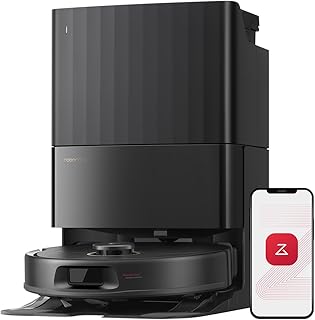
The roborock Qrevo S5V is the mopping specialist of this group. Its standout trick is a FlexiArm edge arm that extends the mop pad outward to reach into corners and along baseboards, spots that fixed pads usually skip entirely.
The dock does the messy mop chores for you, washing the pads and then drying them so they do not sit damp and start to smell. On the vacuum side, 12,000Pa suction and a dual zero-tangle brush system keep pet hair and grit under control, and the mop lifts automatically when the robot moves onto carpet.
All of that capability comes at a higher price, and the dock is large because it handles washing, drying, and refilling. If mopping quality is what you care about most, though, few machines match this edge focused approach.
Bottom line: for homes with a lot of sealed hard flooring where genuine mopping matters, the Qrevo S5V is the best cleaning specialist in this roundup.
- Cleaning modes: vacuum and mop
- Suction: 12,000Pa
- Mopping: FlexiArm edge arm with mop lift
- Dock: auto wash, dry, empty, and refill
- Brush: dual zero-tangle system
- Navigation: smart obstacle avoidance
- Best for: large hard floor areas
The FlexiArm arm is what sets this one apart, pushing the pad into corners and hugging edges that most robots leave untouched. Combined with a dock that keeps the pads clean and dry, it delivers a more even wipe across large open floors than fixed pad rivals.
Pick the Qrevo S5V if your home is mostly sealed hard floors, tile, or laminate, and you want mopping done properly rather than as an afterthought. It suits owners happy to invest more for corner to corner coverage and a self-maintaining dock.

Pros
- High 13,000Pa suction for embedded debris
- DuoBrush design pulls pet hair from carpet
- Corner cleaning routine hugs edges
- Laser navigation avoids obstacles
- Self-emptying dock for hands-free stretches
Cons
- Mopping is basic next to dedicated mop robots
- Taller dock needs a dedicated corner
The DREAME D20 Pro Plus is the carpet and suction pick. With 13,000Pa on tap and a DuoBrush design, it digs deeper into medium pile rugs than most units at this level, which is exactly what you want if pets track hair into carpeted rooms.
It navigates with LDS laser mapping and adds a corner routine that pushes closer to edges than a round body normally reaches. The self-emptying dock handles the bin for you, so day to day you mostly just set a schedule and let it run.
The mopping here is a light wipe rather than a scrub, so it is best thought of as a strong vacuum with mopping as a bonus. The dock is also fairly tall, so plan a corner for it. For carpet heavy homes, that suction number is the draw.
Bottom line: if your floors are mostly carpet and rugs and raw pickup power matters most, the D20 Pro Plus is the high-suction pick in this group.
- Cleaning modes: vacuum and mop
- Suction: 13,000Pa
- Brush: DuoBrush for pet hair
- Navigation: LDS laser with obstacle avoidance
- Dock: self-emptying
- Feature: corner cleaning routine
- Best for: carpet and rug heavy homes
Carpet is where the high suction and DuoBrush earn their keep, lifting hair and grit that lighter robots leave behind. On hard floors it is quick and thorough too, with the corner routine catching debris along baseboards, though mopping stays a light maintenance wipe.
This suits homes with a lot of carpet and rugs, and pet owners who care most about deep pickup rather than heavy mopping. If raw suction on soft surfaces is your top priority, the D20 Pro Plus is built for it.

Pros
- Slim, low noise body for quiet daily runs
- Up to 120 minutes of runtime per charge
- Wi-Fi, app, and Alexa control
- Automatic self-charging
- Compact size fits tight apartments
Cons
- Random style navigation, no laser mapping
- Best on hard floors and thin carpet only
The Lefant M210 is the small space and quiet running pick. Its slim body and low noise motor make it easy to run during the day without disruption, and a runtime of up to 120 minutes is generous for a compact unit, so it can cover an apartment on a single charge.
Control is handled through Wi-Fi, the app, and Alexa, so you can schedule cleans or start one by voice. It is tuned for hard floors and thin carpet, where its suction and brushless intake do a solid job on daily dust and pet hair without wrapping strands around a roller.
It uses a more random navigation pattern rather than a laser map, so coverage in large, complex homes is less precise. In a smaller footprint that matters far less, and the value on offer is hard to argue with.
Bottom line: for apartments, condos, and single level homes with mostly hard floors, the Lefant M210 is the quiet, compact value pick.
- Cleaning mode: vacuum only
- Runtime: up to 120 minutes
- Navigation: random pattern coverage
- Control: Wi-Fi, app, and Alexa
- Charging: automatic self-return
- Noise: low volume operation
- Best for: apartments and hard floors
The M210 shines in apartments, condos, and single level homes where a compact, quiet robot can cover the whole floor in one run. It is an easy first robot vacuum for anyone who wants daily upkeep without a big machine or a complex app.
Clear cables and light clutter before a run so the compact body moves freely, and use the app to set a daily schedule so cleaning happens while you are out. Empty the bin regularly and wipe the sensors so it keeps tracking edges and the dock.

Pros
- Vacuum and mop combo at an entry level price
- Personalized cleaning adjustments in the app
- Obstacle avoidance steers around clutter
- Self-charging returns to the dock
- Simple choice for first time buyers
Cons
- Lower suction than premium picks
- Basic mapping compared with LiDAR robots
The ROPVACNIC combo is the entry point for anyone who wants both vacuuming and mopping without stepping up to a premium dock. It offers personalized cleaning adjustments through the app, so you can nudge how it behaves in different rooms, plus obstacle avoidance to keep it from bumping into furniture and cords.
At 5,200Pa the suction is modest next to the flagship machines here, but for everyday dust, crumbs, and light pet hair on hard floors it does a capable job. When the battery runs low it self-charges, so it is ready for the next scheduled run.
The trade offs are what you would expect for the price. Mapping is basic compared with laser navigation, and suction will not match the high-powered picks. As a low cost way to automate daily cleaning, though, it covers the essentials.
Bottom line: if you want an affordable first robot vacuum that also does light mopping, the ROPVACNIC combo is the budget entry in this lineup.
- Cleaning modes: vacuum and mop combo
- Suction: 5,200Pa
- Navigation: obstacle avoidance
- Charging: automatic self-return
- Feature: personalized cleaning adjustments
- Surfaces: hard floors and thin carpet
- Best for: budget first time buyers
This is the pick for first time buyers on a tight budget who want to try automated cleaning with light mopping included. It suits smaller homes with mostly hard floors where premium suction and laser mapping are not deal breakers.
Set your expectations to match the price. This combo handles daily upkeep and light mopping well, so keep floors mostly clear of heavy debris and run it often rather than waiting for a big mess. Used that way, it keeps a small home tidy for very little outlay.
How to Choose the Best Robot Vacuums
Robot vacuums vary far more than they look. Two round pucks can behave completely differently once they hit your floors, so it helps to know which features change your daily experience and which are marketing gloss. These are the factors we weighed most heavily when sorting this list.
Navigation and Mapping

Navigation is the single biggest divide in this category. Budget models use a bump and go pattern, wandering until they cover the floor, which is fine for small, open spaces. Laser based systems such as LiDAR and LDS build an accurate map of your home, then clean in neat rows and remember room layouts between runs.
Mapping pays off most in larger or multi-room homes, where it lets you send the robot to a single room, set no-go zones around pet bowls, and avoid missed patches. If your space is compact and mostly open, a simpler pattern can still keep floors tidy without the extra cost.
Suction Power and Floor Types

Suction is measured in Pa, and higher numbers matter most on carpet and with pet hair. Hard floors need less raw power, so a modest figure cleans bare rooms well. Carpet and rugs are where strong suction earns its place, pulling embedded grit and hair that lighter units leave behind.
Match the machine to your surfaces. Homes with lots of rugs benefit from the high-suction picks here, while apartments with bare floors can save money by choosing a slimmer, lower powered model that still handles daily dust with ease.
It also helps to think about how debris behaves on each surface. Fine dust and hair settle into carpet fibers and cling to the base of the pile, so a robot needs both suction and a well designed brush to lift them out. On hard floors the challenge is different, as light crumbs and pet hair skate away from a weak intake, which is why edge brushes and a snug floor seal matter as much as the raw suction figure. The strongest picks here pair a high number with a brush setup that actually funnels debris into the bin.
Self-Emptying and Mopping

A self-emptying dock is the upgrade owners notice most. Instead of clearing a tiny bin after every clean, the robot returns to a base that holds weeks of debris. For busy or allergy prone homes, that means far less contact with dust and a truly hands-off routine.
Mopping ranges from a light maintenance wipe to genuine edge cleaning with pads that wash and dry themselves. Decide how much mopping you really need. A vacuum and mop combo covers most homes, but if you have a lot of sealed hard flooring, a dedicated mopping specialist is worth the step up.
Pet Hair and Tangle-Free Brushes
Pet owners have a specific enemy, and it is wrapped hair. Anti-tangle and dual brush designs cut long strands as they roll, so you spend less time picking knots out of the roller. Combined with strong suction and HEPA filtration, they keep shedding under control and trap the fine dander that triggers allergies.
If pets are your main reason for buying, prioritize a model with a tangle resistant brush and a sealed filtration path. Several picks on this list were chosen specifically for how well they handle fur without constant maintenance.
Battery Life and Coverage
Runtime decides how much floor a robot can cover before it needs to recharge. Compact models often run long enough to finish an apartment in one pass, while larger homes rely on recharge and resume, where the robot tops up its battery and returns to finish where it stopped.
Think about your square footage first. A smaller space rewards a quiet, efficient unit, while a sprawling floor plan benefits from smart navigation that avoids re-cleaning areas and wasting a charge.
App Control and Smart Home
The app is where a robot vacuum becomes genuinely convenient. Scheduling, room selection, no-go zones, and dock status all live there, and most models pair with voice assistants so you can start a clean without lifting a finger. A clear, stable app makes a bigger difference to daily life than almost any single hardware spec.
Look for features that reduce friction rather than pile on gimmicks. Room specific scheduling, adjustable suction levels, and a simple map editor cover what most people actually use. Voice control is a nice bonus, but a responsive, well organized app you enjoy opening is the feature you will lean on every single week.
Obstacle Avoidance and Clutter
Even a smart map cannot help if a robot keeps eating charging cables and pushing shoes across the room. Obstacle avoidance uses sensors, and on premium models AI cameras, to recognize common floor clutter and steer around it. In real homes with kids, pets, and the odd stray sock, this is what separates a clean that finishes on its own from one you have to rescue.
If your floors are rarely spotless before a run, prioritize stronger avoidance. It reduces the chance of a tangled cord or a smeared pet accident, and it means you can start a clean while you are out without worrying about what the robot might find.
Noise, Size, and Home Fit
How a robot vacuum fits into your space matters as much as how it cleans. Slim bodies slide under couches, beds, and kickboards that taller units cannot reach, so the profile height decides how much of your floor actually gets cleaned. Noise level is the other quiet factor, since a machine you can run during a call or a nap is one you will use far more often.
Do not forget the dock. Self-emptying and self-washing bases are wonderfully convenient, but they are also large and want a spot against a wall with clearance on either side. Measure the corner you have in mind before you commit, especially for the premium all in one models.
Value and Long-Term Costs
The sticker figure is only part of the story. Bagged self-empty docks need replacement bags, mop pads wear out, and filters and brushes are consumables on every model. A slightly higher upfront choice with a bagless base or long lasting parts can work out cheaper to live with over the years.
Think about the total picture, then buy the least complicated machine that covers your real needs. Paying for laser mapping and a self-washing mop makes sense in a large mixed floor home, but in a compact apartment a simpler, slimmer unit delivers most of the benefit for a fraction of the ongoing cost.
The table below sums up how the main styles of robot vacuum compare, so you can quickly see which category fits your home before you drill into individual picks.
| Type | Navigation | Mopping | Best For |
|---|---|---|---|
| Slim budget vacuum | Bump and go | None | Apartments and bare floors |
| Vacuum and mop combo | LiDAR or laser | Light to full | Mixed floor homes |
| Self-empty pet model | LiDAR | Optional | Pet and allergy homes |
| Mopping specialist | Laser plus edge arm | Full with self-wash | Large hard floor areas |
| Premium all in one | AI obstacle avoidance | Full with hot dry | Hands-off large homes |
For more room by room upgrade ideas, browse our appliances and home and kitchen guides, which cover the gear that pairs naturally with a cleaner floor.
Why You Should Trust Us
We build our shortlists around what real owners report, not marketing claims. For this guide we gathered the most reviewed robot vacuums on the market, then filtered out anything that fell short on customer ratings or lacked a track record of reliable performance. That leaves a field of models people actually live with every day.
From there, we compared each pick on the factors above, navigation, suction, self-emptying, mopping, pet hair handling, battery, and app quality, and matched every model to the kind of home it serves best. Our goal is a list where each entry earns its place for a clear reason, so you can find the right fit without wading through dozens of near identical options.
We also weighed brand track record and long-term reliability, since a robot vacuum is a machine you expect to work quietly for years. Where two models were close, we favored the one with a stronger history of consistent performance and easier to source consumables, so the pick you make today still makes sense a few floors and filter changes from now.
Final Thoughts
If you want one machine that does it all with minimal fuss, the roborock Q7 M5+ is our best overall. It balances strong suction, accurate LiDAR mapping, light mopping, and a dock that empties itself for weeks, which is exactly what most mixed floor homes need. For shoppers watching their budget, the eufy 11S MAX is the best value, delivering quiet, dependable daily cleaning in an ultra slim body that slides under low furniture.
Beyond those two, match the pick to your priority. Pet and allergy homes will love the bagless HEPA base on the Shark AI vacuum, carpet heavy floors suit the high suction of the DREAME D20 Pro Plus, and anyone who cares most about mopping should look at the corner reaching roborock Qrevo S5V. If you have the budget and the floor space, the iRobot Roomba 505X is the most hands-off premium choice, while the Lefant M210 and the ROPVACNIC combo prove you can automate cleaning without spending big. Once your floors run themselves, it is worth browsing the rest of our buying guides and our best garbage disposals roundup to keep the whole home in shape.
Frequently Asked Questions
Are robot vacuums worth it in 2026?
For most homes, yes. Modern robot vacuums map your space, avoid obstacles, and many empty themselves for weeks, so daily floor upkeep happens with almost no effort. If you have pets, a busy schedule, or trouble bending to push a traditional vacuum, the time saved quickly justifies the purchase.
Do the best robot vacuums work on carpet?
They do, but suction matters. Look for higher Pa ratings and a strong brush design if your home has medium pile carpet or a lot of rugs. Several models on this list boost suction automatically when they roll from a hard floor onto carpet, which keeps deep debris pickup consistent across surfaces.
Can a robot vacuum replace mopping?
A vacuum and mop combo handles light, routine mopping well, keeping sealed floors fresh between deeper cleans. For heavier stains you may still want to mop by hand occasionally, but a dedicated mopping specialist with a self-washing dock gets closer to a full replacement than ever before.
How much maintenance do robot vacuums need?
Plan on a few small habits. Empty the bin or self-empty base when the app prompts you, clear hair from the brush roll every week or two in pet homes, and rinse mop pads and filters on schedule. These quick steps keep suction strong and extend the life of the machine. You can find more care tips across our appliances guides.
Which robot vacuum is best for pet hair?
Pet owners should prioritize strong suction, an anti-tangle brush, and sealed HEPA filtration. In this roundup the Shark AI vacuum stands out for its bagless HEPA self-empty base, while the roborock Q7 M5+ and DREAME D20 Pro Plus also handle fur well thanks to their tangle resistant brushes and high suction.
How long do the best robot vacuums last?
With basic care, a quality robot vacuum from an established brand can serve for several years. Batteries and brushes are the parts most likely to wear, and both are usually replaceable, so a machine rarely needs retiring over a single worn component. Sticking to regular emptying, brush cleaning, and filter changes is the simplest way to protect your investment and keep suction strong over the long run.
Write Your Review
No reviews yet. Be the first to share your experience!